
By Cynthia Talatu Batuta
For years,insecurity has remained one of Nigeria’s biggest challenges, affecting economic growth, agriculture, education, investment, and the daily lives of millions of citizens. From banditry and kidnapping in the North-West to insurgency in the North-East, communal clashes, separatist agitations, and rising criminal activities across different parts of the country, Nigerians continue to demand urgent and lasting solutions from the government.
Despite several military operations and security interventions, the persistence of attacks has raised questions about the effectiveness of the country’s current security structure and whether a new approach is needed to restore peace.
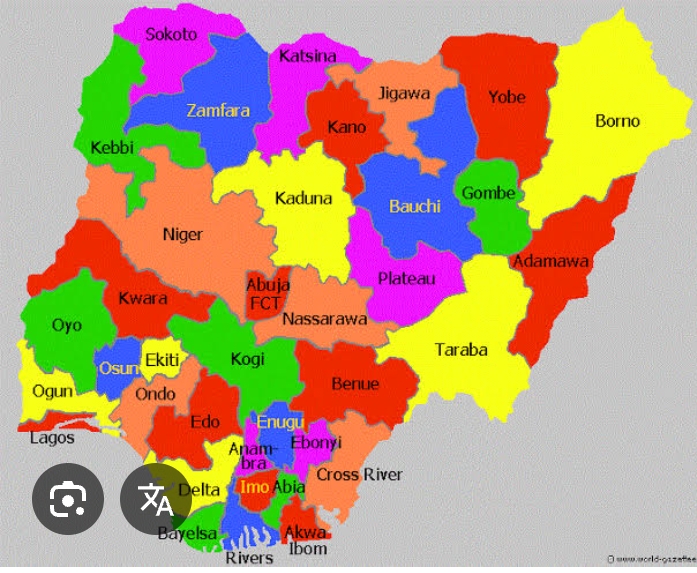
One of the major proposals receiving attention is the establishment of state police,a move supporters believe could bring security closer to the people and improve intelligence gathering at the grassroots level.
Is state policing a solution or another challenge to Nigeria?
The call for state policing has gained momentum among governors, lawmakers, traditional rulers, and security experts who argue that the current federal policing system is overstretched.
Nigeria’s population of over 200 million people is currently being policed mainly by the federal Nigeria Police Force,with officers often accused of being too few and poorly equipped to effectively cover the entire country.
Supporters of state police believe that allowing states to establish their own police forces would improve local intelligence because officers would understand the communities they serve, know the terrain, and respond faster to security threats.
A security analyst, noted that many criminal activities occur in rural communities where federal security agencies have limited presence. “security
is more effective when those protecting the people understand the environment, culture, language, and people they are dealing with,” the analyst said.
However, critics have expressed concerns that state police could be abused by some state governors for political intimidation, harassment of opponents, or human rights violations.
To prevent this, experts argue that strong legal frameworks, independent oversight, proper training, and accountability mechanisms must be established before state police can succeed.
What the Government most do to strengthen state policing may strengthen internal security, experts insist that it cannot work alone.They argue that insecurity in Nigeria is rooted in several factors, including poverty, unemployment, weak justice systems, porous borders, illegal arms circulation, and poor intelligence coordination.
For the government to genuinely end insecurity, it must move beyond temporary military operations and develop a comprehensive national security strategy such as
Improve intelligence, Gathering: security
experts, believe intelligence remains the most powerful tool in preventing attacks.
Rather than waiting for criminals to strike,security agencies must strengthen intelligence networks within communities, encourage citizens to provide information, and protect whistleblowers.
The government need to secure Nigeria’s Borders to stop and to put an end to the
continuous movement of illegal arms and criminal elements across Nigeria’s borders that has contributed to the insecurity.
The government must invest in modern border surveillance technology and strengthen cooperation with neighbouring countries to stop the flow of weapons and foreign criminal networks.
The government most address the root causes of criminality, poverty,
unemployment, and lack of opportunities have also made some young people vulnerable to recruitment by criminal groups.
Creating jobs, improving education, supporting agriculture, and developing rural communities are necessary steps toward reducing insecurity.
The government must also look at the justice system and reform it because of slow prosecution and weak punishment system, which many Nigerians believe criminals
often return to society because of slow prosecution and weak punishment systems.
A stronger justice system that ensures criminals are arrested, properly investigated, prosecuted, and punished would serve as a deterrent.
The Nigerian military has played a major role in fighting insurgency and other security threats, but experts argue that the military alone cannot solve an internal security crisis.The primary responsibility of the military should remain defending Nigeria’s territorial integrity,supporting civil authorities when necessary, and dismantling heavily armed criminal groups.
To achieve this, the military must
Strengthen Training and Equipment
Modern security threats require modern solutions. The military needs improved intelligence technology, surveillance equipment, communication systems, and adequate welfare for personnel.
Adopt intelligent -Led Operations
Large-scale operations without accurate intelligence often lead to temporary victories.
The military must focus more on identifying criminal networks, their financiers,weapons suppliers,and hideouts.
Improve Cooperation with Other Security Agencies
The army, police, Department of State Services (DSS), civil defence, and local security groups must work together through effective information sharing.
Protect communities after military operations
Experts say many areas return to crisis because security forces withdraw after clearing criminal groups.
Maintaining a permanent security presence and allowing communities to rebuild is essential for lasting peace.
The question of Political will is not left out as many
Nigerians believe the fight against insecurity requires more than promises and announcements. They argue that ending insecurity depends largely on the government’s commitment to transparency, accountability and decisive action.
Security experts maintained that no single solution will solve Nigeria’s security problems. State policing, military reforms, economic development and good governance must work together
As insecurity continues to threaten lives and livelihoods, Nigerians are watching closely to see whether the government’s decisions will bring a new era of safety or remain another unfulfilled promise
For many citizens, the real test is not whether Nigeria has security plans, but whether leaders have the political will to implement them effectively.