
By Sharon Akuboh
The world’s first lung health resolution: mobilising a network of advocates in Africa
For millions of people across Africa, every breath can be a struggle, as respiratory diseases, air pollution and limited access to diagnosis and treatment threaten lives.
But experts say a negative tuberculosis test should not be the end of the search for answers.
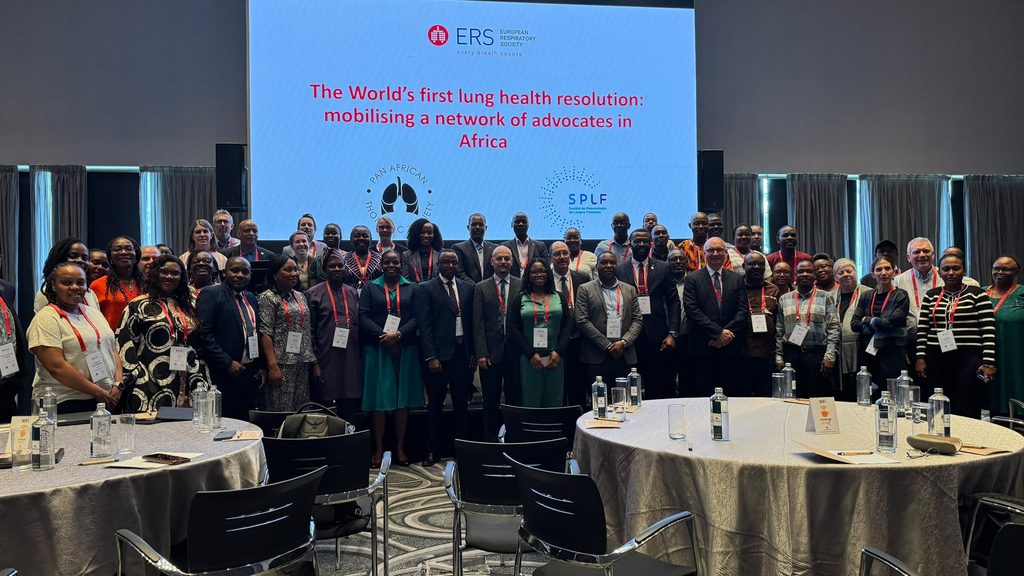
At a regional meeting on integrated lung health in Nairobi, Kenya, the World Health Organisation is calling for a coordinated approach that brings the diagnosis, prevention and treatment of lung diseases closer to the people who need them.
The message is simple but powerful: breath is life. Deliverio. Luis Castro, WHO Director-General’s Special Envoy for Chronic Respiratory Diseases, said lung health must be protected both inside and outside the hospital.
He stressed that when patients present with persistent coughing or difficulty breathing, healthcare workers must investigate beyond tuberculosis to consider other conditions, including asthma and chronic obstructive pulmonary disease.
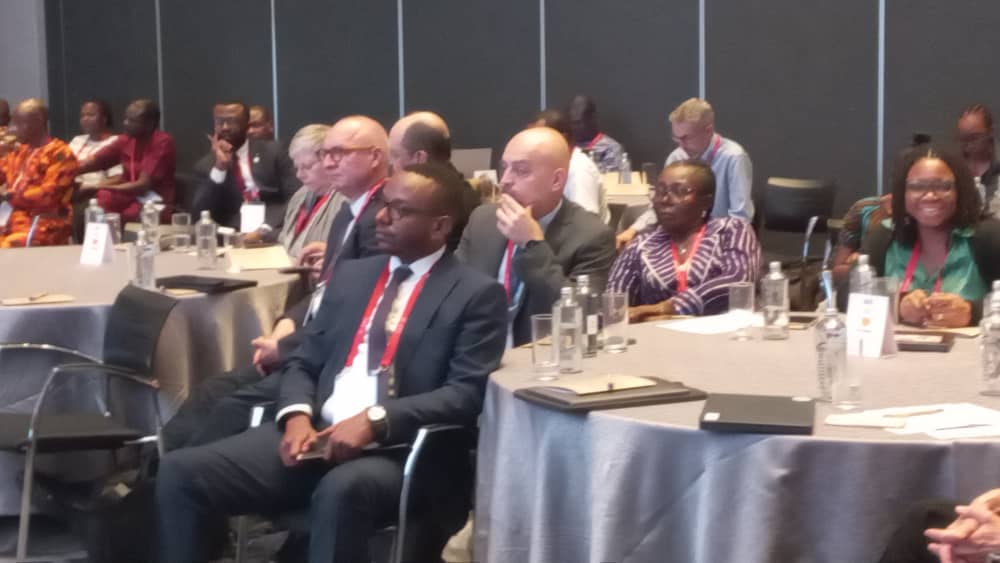
The call follows the adoption of World Health Assembly Resoluti on WHA78.5 in May 2025, which promotes an integrated approach to lung health. The. resolution encourages countries to connect the prevention, diagnosis and treatment of communicable and noncommunicable respiratory diseases through primary healthcare, with referral services where necessary.
The aim is to build on progress in tuberculosis control and tobacco prevention while addressing gaps in the management of chronic respiratory conditions.
But improving lung health requires action beyond the health sector. Castro highlighted the need to reduce exposure to household air pollution, protect workers from harmful dust and ensure people living with asthma have access to affordable inhalers and the support needed to use them correctly. He called for stronger collaboration among health, environment, energy, labour, education and finance sectors, alongside the active participation of clinicians, researchers and people living with lung disease.
As the regional meeting concludes, participants are being challenged to translate commitments into practical action through national roadmaps with clear responsibilities, financing plans and measurable targets.
Governments are expected to lead, while partners support country priorities and strengthen primary healthcare services.
For WHO, success will ultimately be measured by whether a person who arrives at a clinic struggling to breathe receives adequate prompt attention and treatment.
Weekenders magazine hails WHO for this move.