
By Raphael Oni
Delay is not denial. Affected Nigerians awaiting evacuation from South Africa should trust the government to complete the process it started. Following through on the evacuation of the second batch with transparency and care will not only protect vulnerable citizens but also preserve the diplomatic capital earned from the first successful airlift earlier this month.
That consensus from diplomatic observers in Abuja has hardened into alarm, as hundreds of Nigerians now stranded in Pretoria face both humanitarian distress and growing security risks amid open anti-Nigerian sentiment in parts of South Africa.
The Tinubu administration drew wide commendation for the airlift of the first batch of returnees, a move that underscored Abuja’s commitment to citizen protection abroad. It will be recalled that 258 Nigerian nationals were evacuated from the Republic of South Africa following recent xenophobic attacks. The returnees were received on behalf of the Federal Government by the Honourable Minister of State for Foreign Affairs, Ambassador Sola Enikanolaiye, who was accompanied by senior officials of the Ministry.
In his remarks, Ambassador Enikanolaiye conveyed President Bola Ahmed Tinubu, GCFR’s direct assurances to the evacuees, stating that the Federal Government will not abdicate its constitutional duty to protect every Nigerian, at home or abroad. In the words of the Minister, “the prompt airlift of our citizens is not a reaction borne of panic, but a deliberate demonstration of a proactive, citizen-first foreign policy. No Nigerian will be left vulnerable simply because of their nationality.” It was confirmed that additional evacuation flights are scheduled in the coming days.
But momentum has stalled. Hundreds of Nigerians who registered for the second batch have since converged on Pretoria following “directives and assurances from relevant authorities,” only to face silence on departure dates, travel logistics, and welfare support.
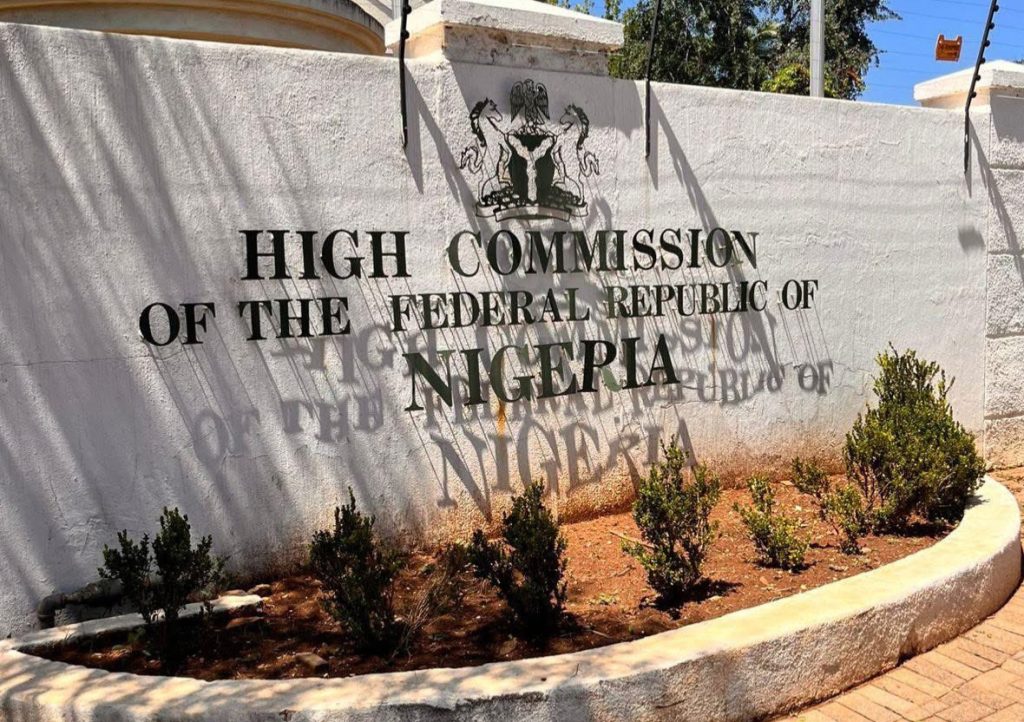
That concern was formally laid out in a joint demand issued Thursday, 19 June 2026, by the Nigerian Citizens Association South Africa (NICASA) and the Nigerian Union South Africa (NUSA). The letter was addressed to the Acting High Commissioner in Pretoria, the Consul General in Johannesburg, and the Honourable Minister of Foreign Affairs in Abuja.
“Many of these citizens have made significant personal sacrifices, including exhausting their financial resources, leaving temporary accommodation, and undertaking long and difficult journeys with the expectation that the evacuation process would proceed as communicated,” NICASA and NUSA stated.
Community leaders report that the stranded group includes women, children, elderly persons, and other vulnerable Nigerians. Several are now without adequate accommodation, funds, or official communication on next steps. Beyond hardship, diplomatic sources warn of a security dimension. Given the pronounced and often undisguised hostility toward Nigerians in parts of South Africa, the stranded returnees are exposed. Without shelter or support in Pretoria, they risk harassment, xenophobic attacks, or exploitation while waiting indefinitely.
“This situation has created severe anxiety, frustration, and emotional distress among affected citizens who responded to the call of their government in the hope of a safe and dignified return home,” the groups said. “The lack of timely updates has further weakened confidence in the coordination and management of this humanitarian exercise.”
In their letter, NICASA and NUSA set out five urgent demands:
- Immediate official confirmation on the status of the second batch evacuation programme.
- Clear communication of confirmed departure dates, travel arrangements, and logistics for all registered returnees.
- Emergency welfare assistance, including basic support and accommodation for stranded citizens pending departure.
- A functional communication channel for regular updates to affected Nigerians.
- Urgent intervention by the Ministry of Foreign Affairs and relevant agencies to resolve outstanding challenges.
The groups requested a formal response and a clear action plan from the relevant authorities, adding that failure to respond may compel them to take “further lawful steps necessary to draw urgent attention to the plight of stranded Nigerian citizens.”
Senior diplomatic sources in Abuja, speaking on background, described the matter as a test of crisis management. “The first batch earned Nigeria goodwill. Leaving the second batch in limbo erodes that gain and hands critics a talking point,”. While acknowledging that evacuations involve complex layers, flight clearance, destination airport slots, manifest verification, and host-country protocols, the sources stressed that communication gaps can quickly escalate into national embarrassment, especially given the hostile climate.
With the Bola Ahmed Tinubu administration anchored on the 4Ds of Democracy, Development, Demography and Diaspora, Nigerians abroad should be rest assured that the government has their back. The safety, dignity, and welfare of Nigerian citizens must remain the highest priority, in line with the government’s 4Ds. The Diaspora is top on the government agenda. With the kind of targeted resentment Nigerians face in South Africa, any delay leaves our people dangerously exposed. This is not just consular work; it is Nigeria’s image and the lives of our citizens.
The urgency is also being reflected in advisories reaching senior officials from media and diplomatic observers with direct access to community feedback. While noting that the Tinubu government “has done credibly well with the evacuation of Nigerians from South Africa” and that the first batch was “widely commended,” the feedback flags growing anxiety because “people on the ground have been expecting the second batch back in Nigeria.”
The concern, conveyed through established channels, is that further delay risks political blowback. Timely action will prevent the opposition from taking advantage of the situation to paint the government as slow or unresponsive. As journalists on the ground, we are close to the people and hear these narratives firsthand. Acting now protects the goodwill already earned. The appropriate quarters should urgently tie up all the loose ends, so the process for the next batch can be expedited.
Analysts are also urging political actors across the aisle to handle the matter with restraint. Accountability is legitimate, they note, but evacuation of citizens from a foreign country touches on bilateral sensitivities with South Africa and international humanitarian norms.
Opposition voices should be guided on issues that can cause international embarrassment. There is room to demand efficiency, but weaponizing the distress of citizens abroad can complicate diplomatic channels and hurt the very people we all seek to help.
NICASA and NUSA emphasized that their intervention is humanitarian, not political. “We trust that the relevant authorities will act swiftly to prevent further suffering and restore confidence in the evacuation process,” they wrote.
For Abuja, the calculus is now more than diplomatic optics. The first airlift showed capacity and political will. The second batch is a test of follow-through and protection. With stranded citizens visible and vulnerable in a country where anti-Nigerian sentiment is pronounced, delay risks more than embarrassment. It risks lives.
Diplomatic observers agree that swift action, clear dates, emergency welfare, safe holding facilities, and consistent communication will defuse a building crisis. Inaction leaves Nigerian citizens as potential victims. The message from Pretoria to Abuja is urgent: the citizens are waiting, the environment is hostile, the clock is ticking, and the loose ends must be tied up now.