
By Joy Omagha Idam, Abuja
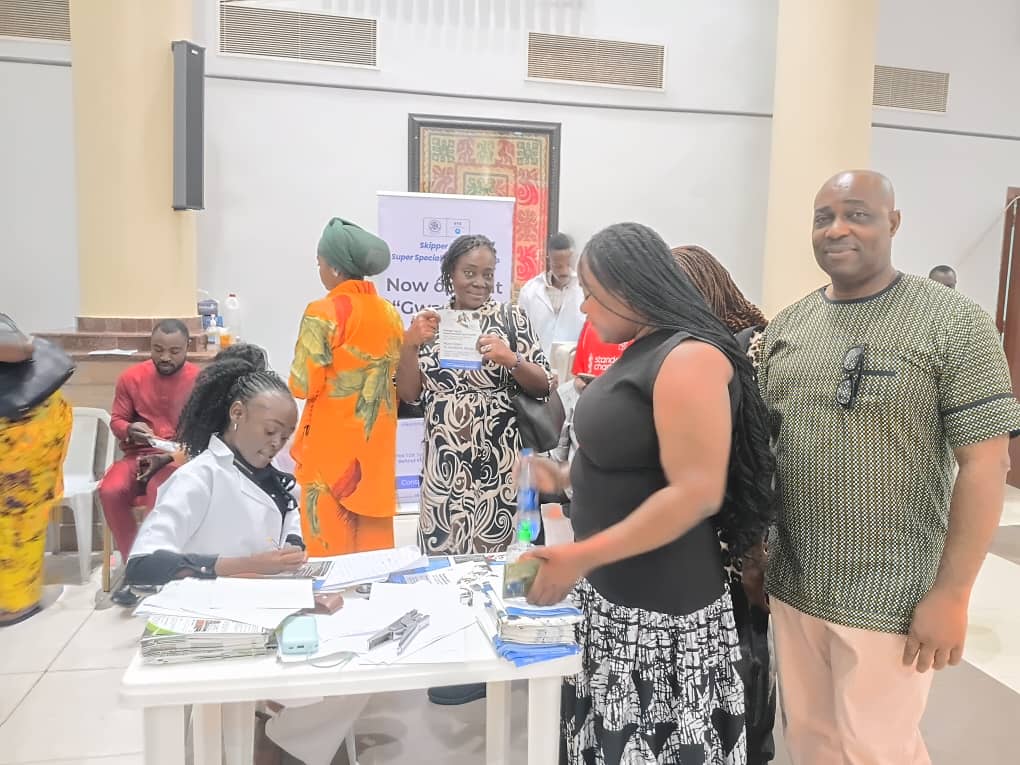
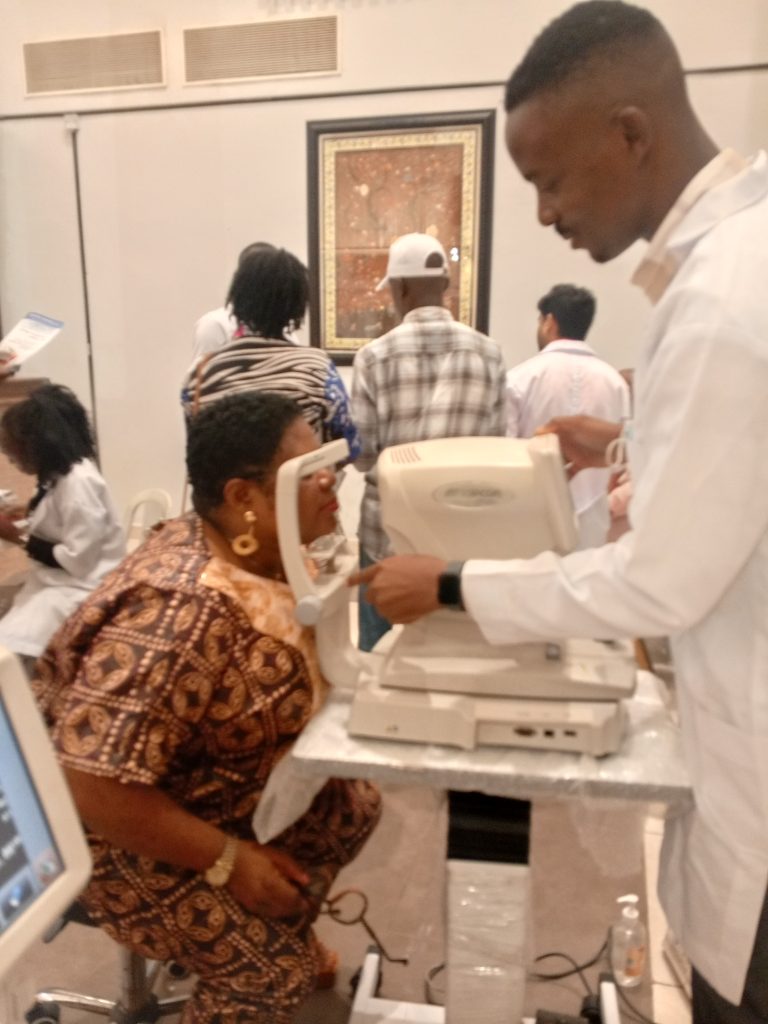
In a major demonstration of commitment to journalists’ welfare and Nigeria-India relations, the Indian High Commission in Abuja, in collaboration with the Diplomatic Correspondents’ Association of Nigeria (DICAN) and Skipper Eye-Q Hospital, on Tuesday organized a free eye screening programme for more than 100 journalists and media practitioners.
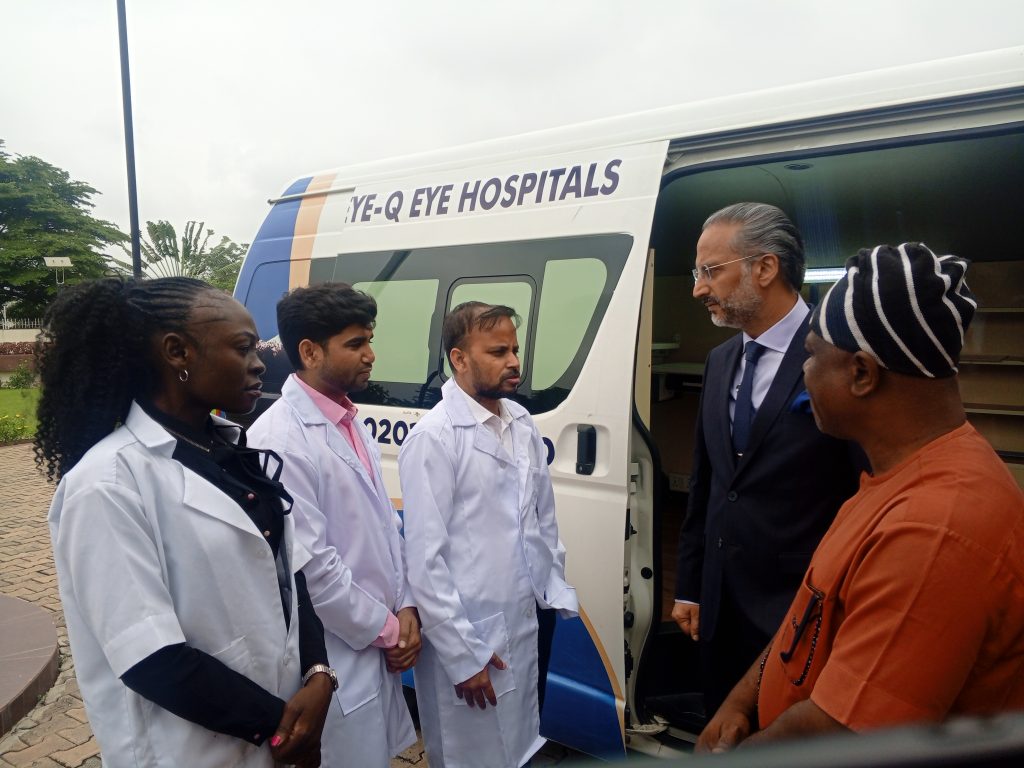
The initiative, held at the Indian High Commission, Abuja, provided media professionals with comprehensive eye examinations and expert medical advice aimed at promoting healthy vision among journalists, whose profession requires constant visual engagement.
Speaking at the event, the High Commissioner of India to Nigeria, Ambassador Abhishek Singh, described the programme as a fulfilment of a promise made during a recent engagement with members of the media.
According to him, the idea for the eye camp emerged following a request by the President of DICAN, Comrade Fredrick Idehai, who had appealed for health support for journalists during a media interaction at India House.
The High Commissioner emphasized the critical role of the media in sustaining democratic values, noting that journalists serve as the “fourth pillar” of democracy alongside the executive, legislature and judiciary.
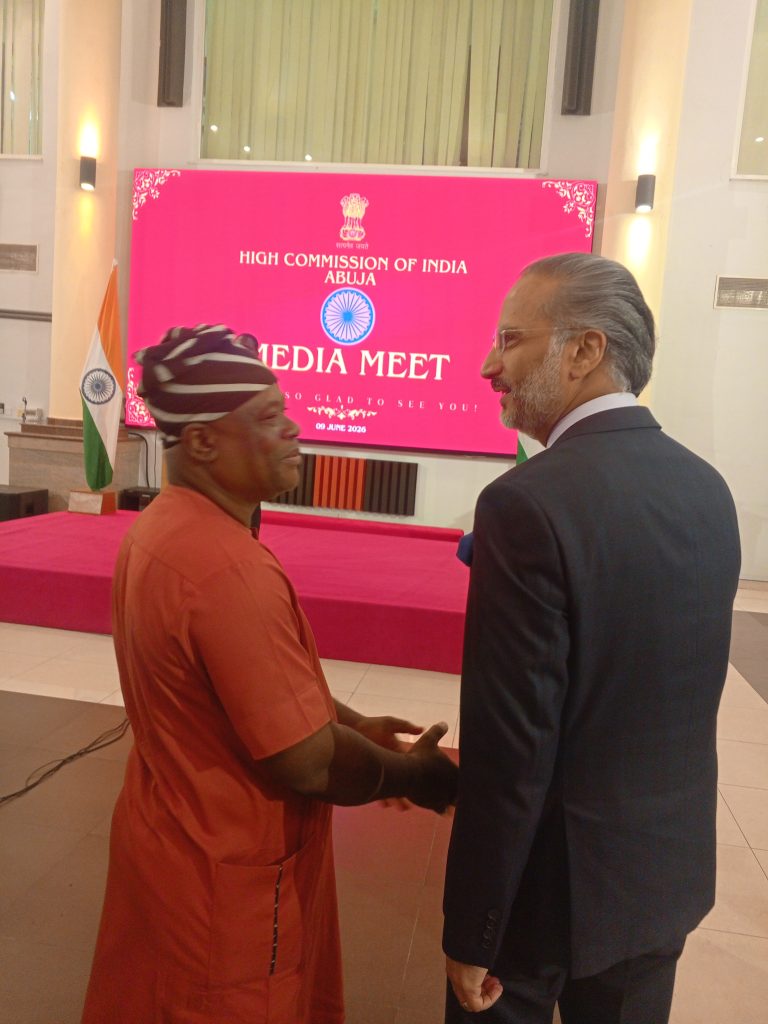
“As the representative of the world’s largest democracy, India, in Africa’s largest democracy, Nigeria, I strongly believe that the media plays an indispensable role in strengthening democratic institutions. Regular engagement with journalists remains an important aspect of our diplomatic relations,” he stated.
Ambassador Singh noted that healthy eyesight is particularly important for journalists, whom he described as the eyes and ears of society.
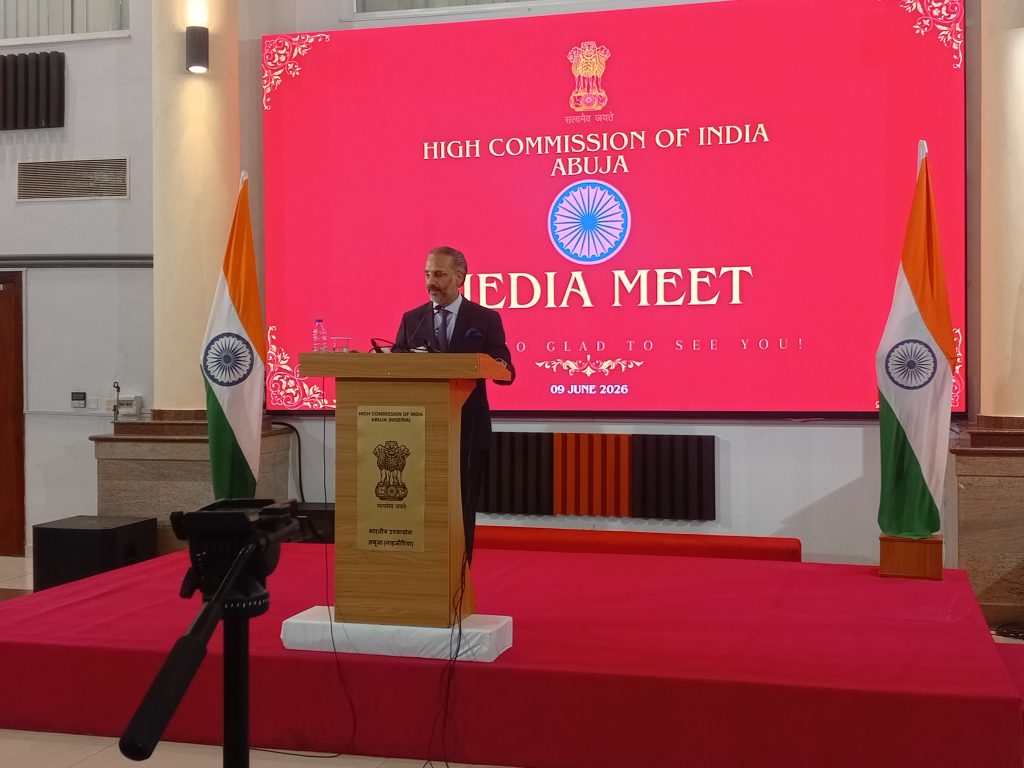
He said the free eye camp was designed to ensure that media practitioners receive professional eye care services and necessary medical guidance to support their demanding responsibilities.
The envoy further assured DICAN members of the continued support of the Indian High Commission, expressing optimism about deeper collaboration and more engagements on issues of mutual interest between Nigeria and India.
“Long live the India-Nigeria partnership,” he declared.
In his response, DICAN Chairman, Comrade Fredrick Idehai, commended the Indian High Commission for promptly responding to the association’s request and for demonstrating genuine concern for the well-being of journalists.
He described the eye care initiative as a landmark intervention that would benefit media professionals who spend long hours working under strenuous conditions.
Idehai also lauded the High Commission’s commitment to strengthening people-to-people relations between both countries, particularly through capacity-building opportunities for journalists.
He revealed that discussions were ongoing to facilitate exchange programmes that would see DICAN members travel to India in batches of 15 to enhance professional exposure and deepen understanding of India-Nigeria bilateral relations.
The event further underscored the growing partnership between Nigeria and India, while highlighting the importance of media development, healthcare support and international cooperation in promoting sustainable democratic growth.
DICAN members were also treated to Indian Cuisines while the screening lasted from 9am-5pm. The screening included journalists and staff of the High Commission.