
By Joy Omagha Idam | Weekenders Magazine
ABUJA — Africa risks surrendering its industrial future by exporting raw materials to countries that process them, manufacture finished products and reap the greater economic rewards, Dr. Henry Emejuo, Director-General and Chief Executive Officer of the Pan-African Alliance for Small and Medium Industries, has warned.
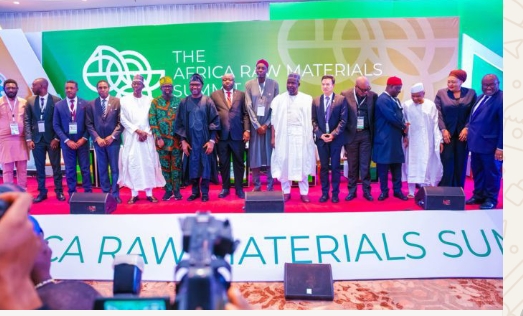
Speaking at the Africa Raw Materials Summit 2026 in Abuja, Emejuo challenged African governments to replace decades of industrialisation rhetoric with enforceable policies that will drive local processing, create jobs and retain more wealth within the continent.
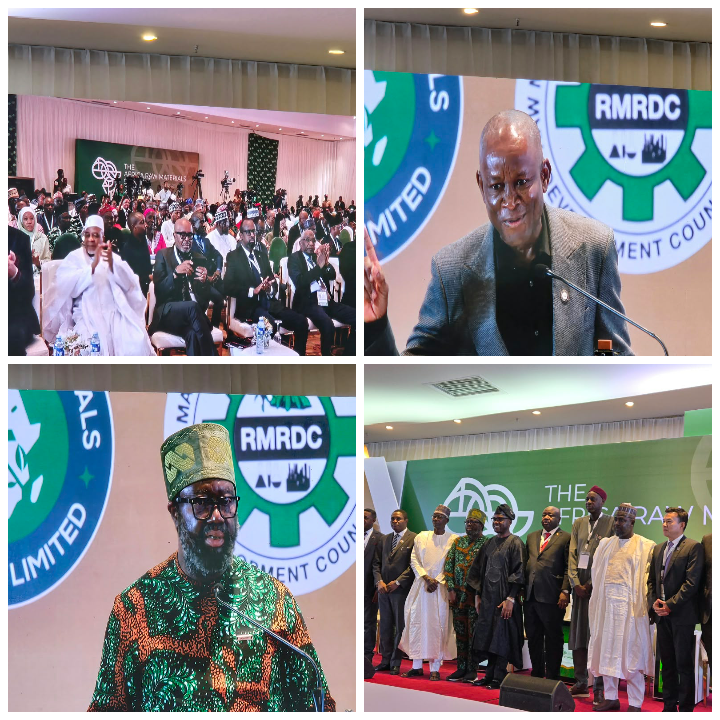
He argued that Africa’s vast mineral and natural-resource deposits would remain an incomplete economic advantage unless countries develop the factories, technology and productive capacity required to transform them into competitive goods.
Despite years of commitments to industrial development, many African economies continue to depend heavily on unprocessed commodity exports, missing opportunities to expand manufacturing, strengthen local enterprises and create sustainable employment.
Citing the Democratic Republic of Congo as an example, Emejuo drew attention to the disconnect between Africa’s enormous mineral endowment and the economic benefits retained within the continent.
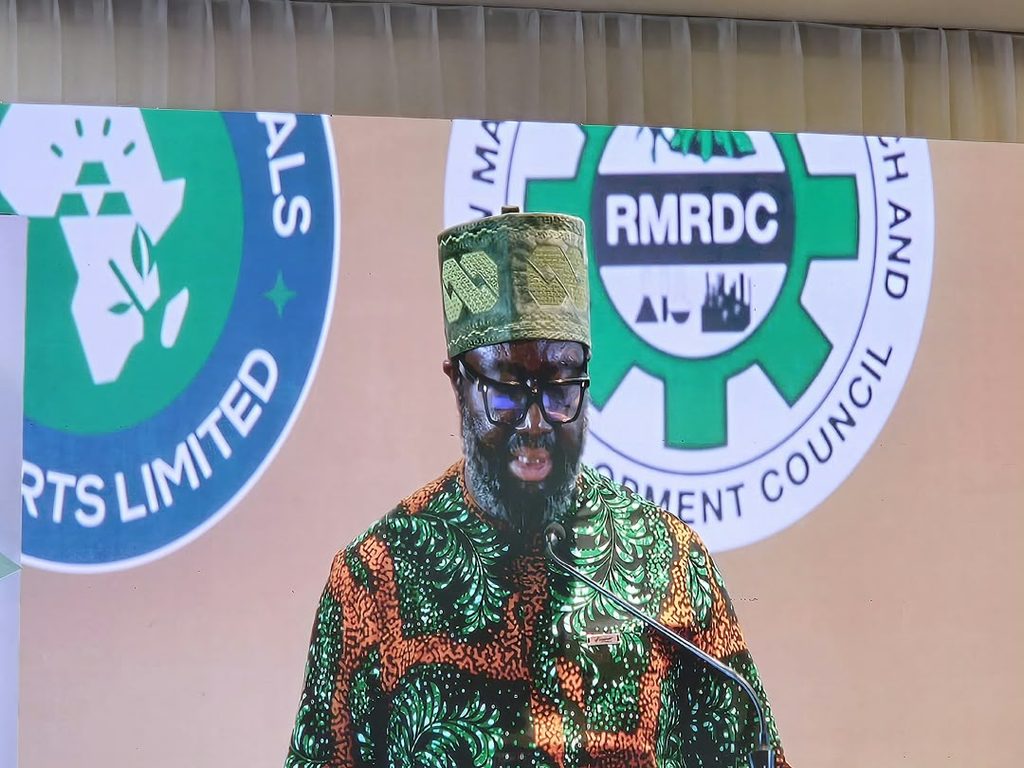
“This is our time. We must make up our mind to do this for the generation unborn,” he told delegates, calling for measurable commitments backed by practical implementation rather than declarations without follow-through.
He noted that Nigeria’s proposed 30 per cent value-addition target reflects the broader continental effort to ensure that resource-producing countries capture more economic benefits from their natural wealth.
Emejuo also identified the African Continental Free Trade Area (AfCFTA) as a strategic opportunity to expand intra-African trade and establish regional manufacturing and supply chains.
With a potential market of approximately 1.4 billion people, he said, Africa has the scale to develop industries that serve domestic demand while competing in international markets. However, achieving that ambition requires governments to create an enabling environment for investment, production and cross-border trade.
The Pan-African Alliance for Small and Medium Industries, he said, was pleased to serve as a technical partner to the summit, emphasising that stronger processing industries would create opportunities for small and medium-sized enterprises to participate in manufacturing and related supply chains.
The summit, themed “From African Feedstock to African Factory,” brought together government officials, manufacturers, researchers, financiers and development partners to examine strategies for accelerating industrial development across Africa.
Supporting the push for industrial transformation, the United Nations Industrial Development Organization (UNIDO) Country Representative, Ambassador Philbert Abaka, said Africa must move from exporting raw materials to producing goods with greater economic value.
Abaka stressed that industrialisation requires coordinated action by governments, manufacturers, research institutions, financiers and development partners. He urged stakeholders to translate the summit’s ambition of achieving a minimum of 10 per cent value addition to raw materials into practical strategies, investment opportunities and measurable results.
Beyond policy commitments, Africa’s industrial ambitions will depend on access to reliable energy, modern technology, infrastructure, skilled labour and affordable financing. These factors are essential to making locally manufactured products competitive and attracting investments into processing facilities.
For African economies seeking to diversify production and expand employment, the real test lies in converting resource wealth into productive industries rather than remaining suppliers of raw materials to foreign manufacturers.
Emejuo’s message at the summit was therefore a call for action: Africa must build the industrial capacity to transform what it produces, create opportunities for its businesses and ensure that its natural wealth delivers lasting benefits to future generations.