
By Remi Johnson
Educational managers and policymakers have been urged to adopt responsible artificial intelligence (AI) practices in educational administration, with scholars warning against overreliance on the technology to generate authentic academic and administrative outcomes.
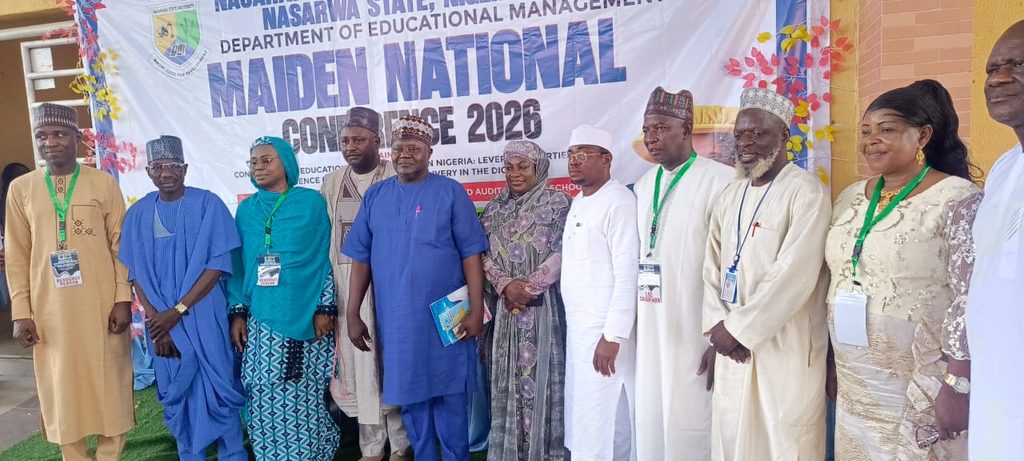
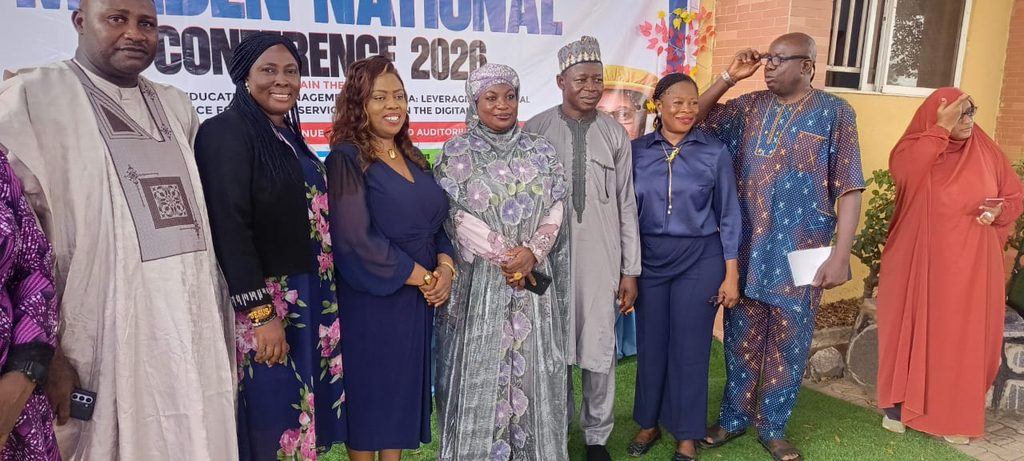
The call was made at a conference organised by the Department of Educational Management, Nasarawa State University, Keffi (NSUK), to bring together key stakeholders to exchange ideas and develop practical strategies for leveraging AI to address contemporary challenges in educational management.
Delivering the lead paper, Professor Hauwa Imam, a scholar of educational administration at the University of Abuja and President of the Commonwealth Council for Educational Administration and Management, emphasised the importance of ensuring that AI applications in education remain guided by human responsibility, accountability and quality assurance.
She explained that although the fundamental functions of educational management, planning, organising, staffing, directing, coordinating and reporting , remain unchanged, their implementation now takes place in an increasingly interconnected and data-driven environment that demands greater accountability.
According to her, digital technologies offer significant opportunities to improve administrative efficiency and decision-making, provided that their use is grounded in reliable information and appropriate human oversight.
Professor Imam stressed that AI platforms cannot independently generate authentic institutional records, noting that educational administrators must provide accurate data to enable the systems to identify long-term trends, monitor performance and support evidence-based decision-making..
She further explained that the effectiveness of AI in educational administration should be assessed against critical indicators, including accessibility, equity, responsiveness, reliability, accountability and improved learning outcomes.
The professor reminded participants that despite the capabilities of AI systems, users remain responsible for the accuracy, relevance and quality of the information and outputs they produce.
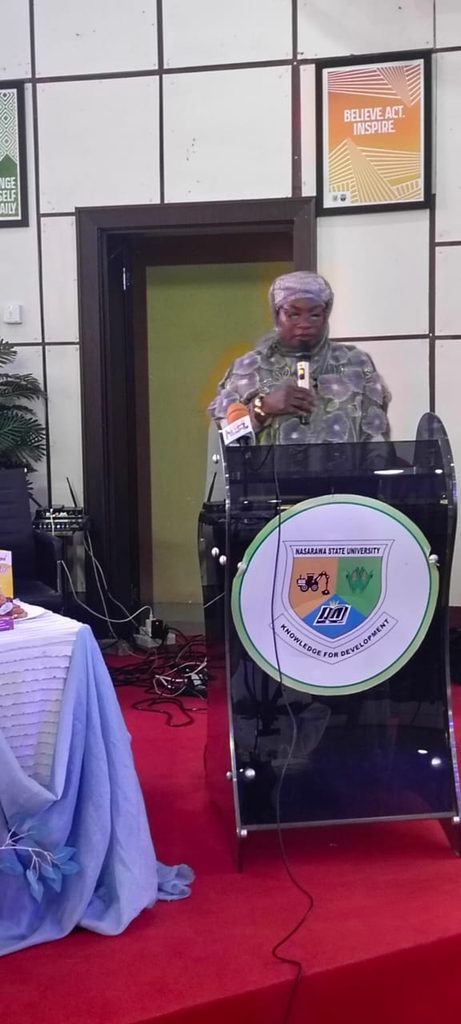
Earlier, Dr Binta Lawal Baguwa presented Professor Imam’s profile, highlighting her more than four decades of contributions to educational administration, research and policy development.
Described as the “Digital Professor,” Imam served as the pioneer Director of the Centre for Competence in Digital Education and Pedagogy at the University of Abuja, where she spearheaded blended-learning initiatives.She also holds six international certifications in artificial intelligence.
In her welcome address, the Head of the Department of Educational Management at NSUK, Professor Hauwa Mainoma, said that while AI had become an essential tool in modern education, human oversight, diligence and professional judgment remained indispensable.
“AI has come to stay, but it must be used to improve on what we have, not to depend on it absolutely,” she said.
Professor Mainoma explained that the conference was organised to address the realities of an increasingly automated world and provide a platform for policymakers and educational administrators to develop practical solutions to prevailing management challenges.
“The essence of the conference is to bring policymakers and educational administrators together to exchange ideas and develop practical strategies for leveraging AI to address contemporary challenges in educational management. I therefore congratulate the department on this milestone,” she said.
Other scholars and education experts at the event echoed the need for responsible AI adoption, emphasising that digital tools and materials must be subjected to human review, carefully managed and appropriately deployed across educational institutions.
A major highlight of the conference was the presentation of an award to the Nasarawa State Commissioner for Education, Dr John D. W. Mamman, in recognition of his contributions to the education sector.
Other award recipients included Professor Saadatu Hassan Liman, Professor Hauwa Mainoma, Dr Saleh A. Dauda, Professor David Jiboyewa, Professor Maichibi A. Nok, Dr Gladys Uwaleke Chinelo, and Dr Kassim Muhammed Kassim of the State Universal Basic Education Board (SUBEB).
The awardees were recognised for their various contributions to the development of education.