
The House of Representatives has called for stronger economic cooperation between Nigeria and the United States, stressing the need for transparent laws, predictable taxation and an improved business environment to attract investment and stimulate economic growth.
The House also urged sustained engagement between Nigerian and American businesses to promote trade, technology transfer, industrial development and job creation.
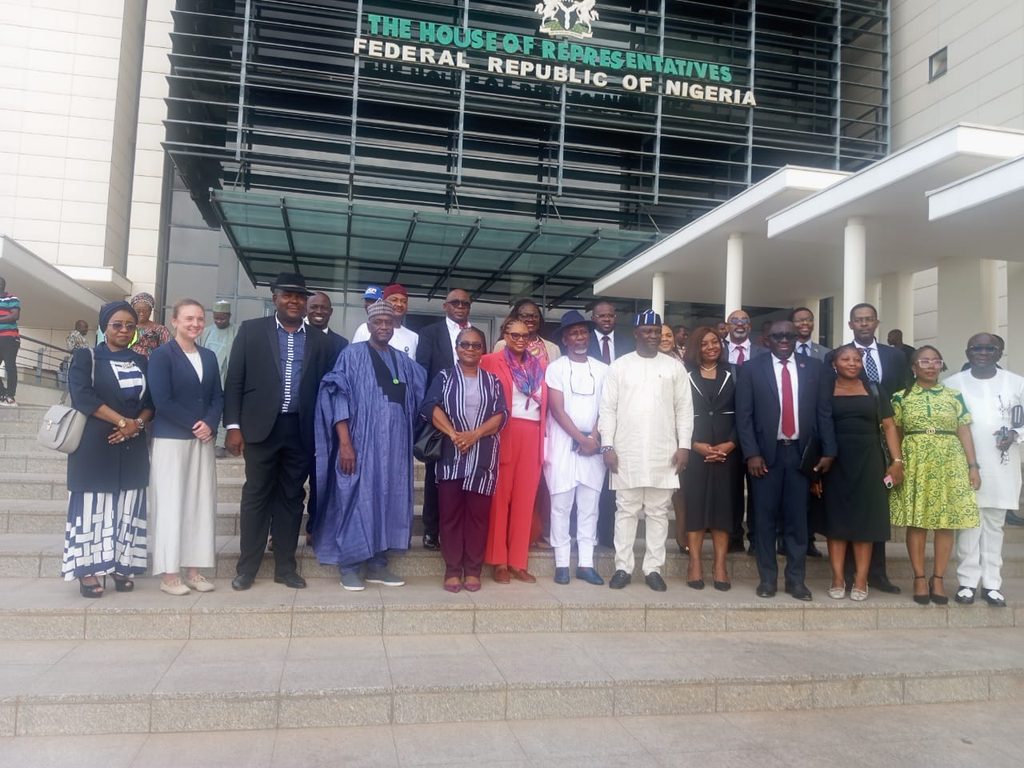
The Speaker of the House of Representatives, Abbas Tajudeen, who was represented by the House Leader, Julius Ihonvbere, made the call at a meeting of the Nigeria-United States Parliamentary Friendship Committee with members of the American business community and Nigerian entrepreneurs in Abuja.
The meeting provided a platform for discussions on investment opportunities, trade relations and policy reforms that could strengthen commercial ties between both countries.
Ihonvbere said the legislature had a critical responsibility to enact laws that reduce uncertainty, protect legitimate business interests, encourage competitiveness and expand economic opportunities for businesses of different sizes.
He said investors were more likely to commit capital where laws were clear, institutions were accountable, contracts were respected, taxation was predictable and regulatory processes were transparent.
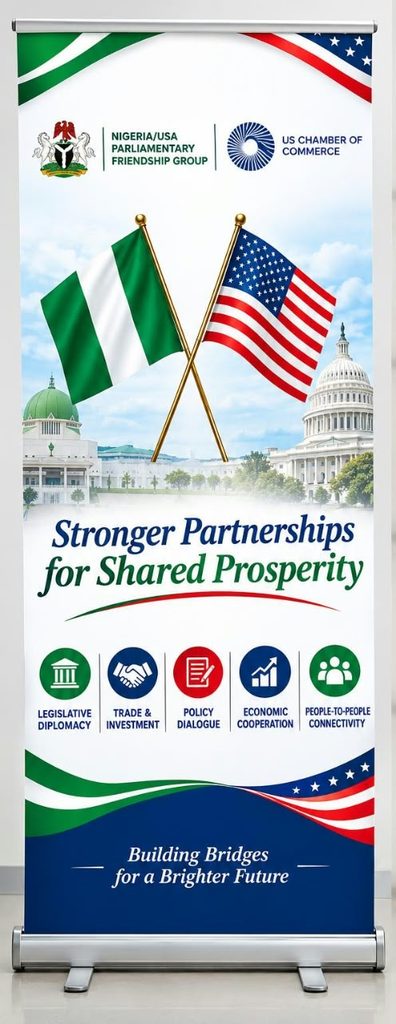
According to him, the National Assembly recognises that its responsibility extends beyond regulating economic activities to creating an enabling environment for enterprises to thrive, stimulate productivity, generate employment and contribute to national development.
He cited Nigeria’s ongoing tax reforms as an important effort to modernise the country’s tax system, improve compliance and simplify tax administration.
The House Leader stressed that effective implementation, clear guidance and constructive engagement with the private sector would be essential to achieving the objectives of the reforms.
He also welcomed the willingness of American businesses to share experiences and ideas on improving Nigeria’s tax administration, regulatory coordination, infrastructure and investment climate.
On parliamentary diplomacy, Ihonvbere said the Nigeria-US Parliamentary Friendship Committee had worked to establish practical economic links through business engagement, policy dialogue and efforts to address barriers affecting commercial relations between the two countries.
He recalled the committee’s engagement with the US Chamber of Commerce during a visit to the United States in May 2025, as well as discussions with American policy institutions on governance, institutional accountability and policies required for sustainable economic development.
He said such engagements were intended to generate ideas, strengthen mutual understanding and identify reforms capable of supporting investment and economic growth.
The committee also highlighted the importance of the African Growth and Opportunity Act (AGOA), noting that sustained cooperation between the Nigerian and American legislatures could help expand mutually beneficial trade.
Ihonvbere said opportunities under the trade framework could support Nigerian exports, industrial expansion, agriculture and manufacturing while creating commercial opportunities for American importers and investors.
He further disclosed that the committee had held discussions with the Congressional Black Caucus and business interests in the United States to encourage Nigerians in the diaspora and American investors to explore opportunities in strategic sectors of Nigeria’s economy.
According to him, diaspora networks could serve as a bridge for connecting capital, expertise, technology, professional networks and market knowledge between both countries.
The committee also proposed further engagement with the Congressional Black Caucus and business stakeholders to explore investment partnerships and business development opportunities involving Nigerian and American enterprises.
It equally appealed to the US business community to support efforts to address visa restrictions affecting Nigerians travelling to the United States for business, arguing that access was important for investors seeking to explore opportunities and establish commercial partnerships.
Speaking on behalf of the visiting American business delegation, a representative of the US Chamber of Commerce and the US-Africa Business Center welcomed the engagement, describing the areas identified by the Nigerian committee as consistent with priorities for strategic economic cooperation.
The representative identified agriculture, trade infrastructure and financial services among the sectors offering opportunities for collaboration, while recalling the role of Nigerian financial institutions in strengthening US-Africa commercial relations.
The delegation expressed appreciation for the opportunity to engage Nigerian lawmakers and business leaders, pledging to sustain the relationship and facilitate further connections with its colleagues and business networks in Lagos and the United States.
Nigerian business representatives at the meeting also presented investment opportunities across several sectors, including agriculture, power generation and distribution, renewable energy, construction, mining, real estate, financial services, fashion and garment manufacturing, and export development.
Some of the entrepreneurs called for American investment in electricity transmission and distribution, solar energy, affordable housing and industrial production.
Others highlighted opportunities for agricultural technology, export certification, food and pharmaceutical testing, and support for women and young people seeking to access international markets.
The participants also proposed the development of trade exhibitions and business platforms that would connect Nigerian manufacturers, exporters and service providers with American investors and buyers.
The meeting ended with a commitment to sustain engagement between the parliamentary committee, the American delegation and Nigerian businesses to translate discussions into practical investment partnerships and stronger commercial relations.
