
African women and young people are expected to benefit from increased opportunities in energy investment, job creation and enterprise development as government leaders, development finance institutions and industry stakeholders prepare to meet in Malawi for the inaugural Global Women & Youth in Energy & STEM Summit 2026.
According to a statement issued to journalists on Tuesday in Abuja, the Summit, scheduled for November 3–4 at the Bingu International Convention Centre, Umodzi Park, in Lilongwe, Malawi, will explore how expanding electricity access can stimulate businesses, create employment, strengthen technical skills and improve women’s and young people’s participation in Africa’s energy markets.
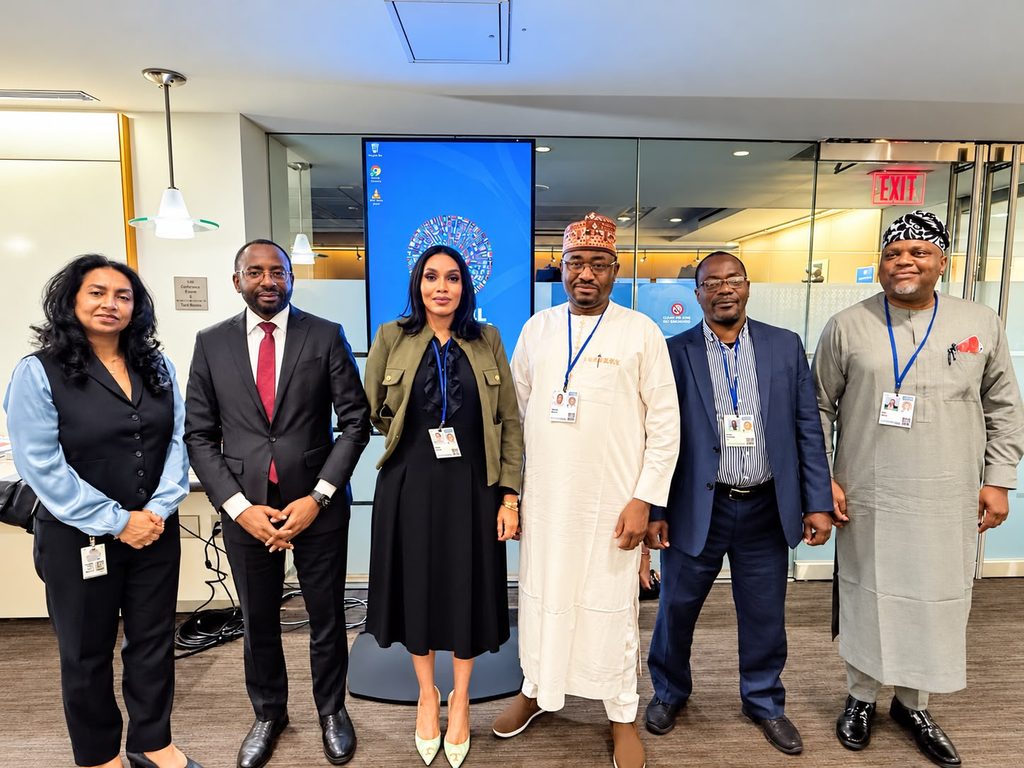
Hosted by the Government of the Republic of Malawi, the Summit is convened by RuachRig Energy in partnership with the World Bank Group, the Energy Sector Management Assistance Program (ESMAP), the Africa Gender and Energy Team (AGET) and Women in Energy Network Africa (WEN-Africa).
Under the theme, “From Participation to Power,” the gathering will bring together government representatives, development finance institutions, electricity utilities, regulators, investors, entrepreneurs and industry leaders to examine ways of connecting Africa’s energy investments with practical economic opportunities.
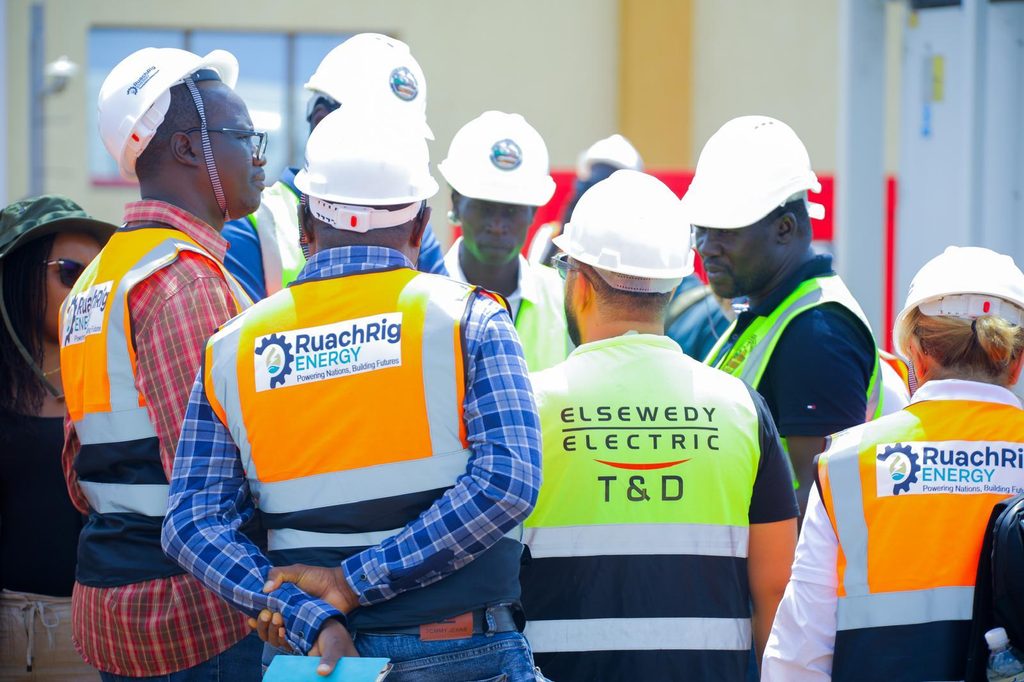
The Summit comes as the World Bank Group and the African Development Bank advance Mission 300, an initiative targeting electricity access for 300 million people across Sub-Saharan Africa by 2030.
While expanding electricity access remains a priority, stakeholders increasingly face the challenge of ensuring that reliable and affordable power translates into productive businesses, sustainable jobs, industrial development and investment opportunities.
For women and young people, the energy transition presents opportunities to move beyond being beneficiaries of infrastructure development to becoming business owners, engineers, investors, project developers, innovators and decision-makers.
The Government of Malawi has endorsed the inaugural Summit, emphasising the importance of linking energy investment with employment, enterprise creation and technical capacity development.
Dr. Justin Saidi, Chief Secretary to the President and Cabinet, reaffirmed the Government’s support for the gathering, highlighting the need to ensure that electricity access delivers tangible economic benefits.
He said Malawi was committed to ensuring that energy investment supports productive economic activity while creating opportunities for women and young people across the energy value chain and the wider science, technology, engineering and mathematics (STEM) ecosystem.
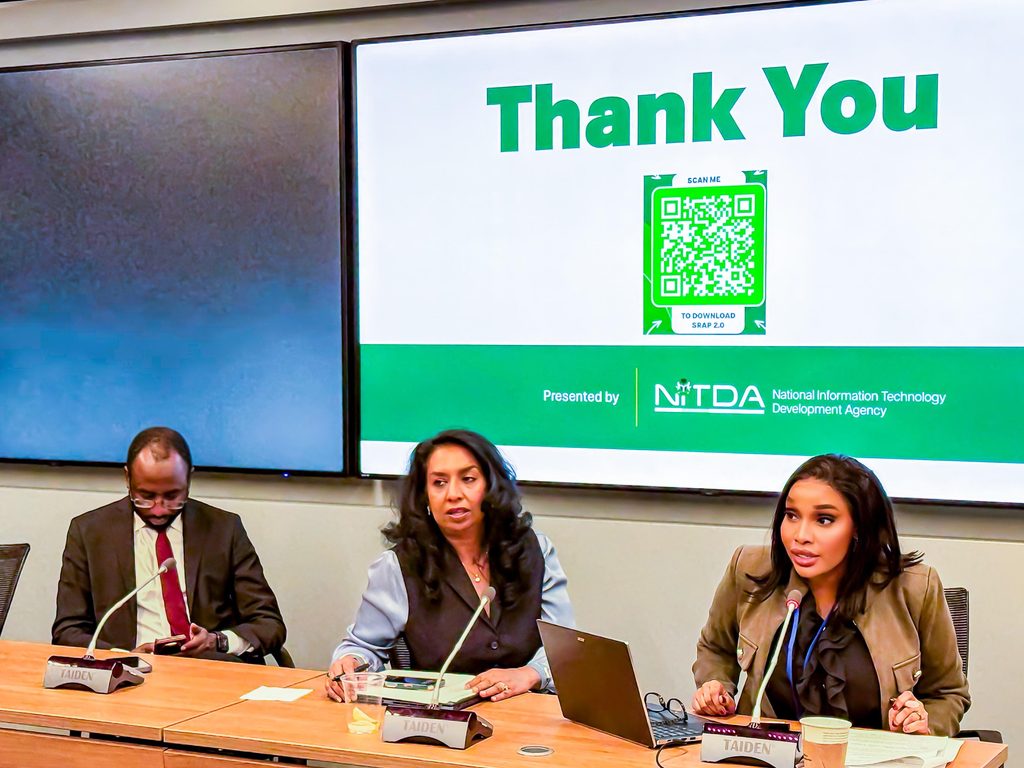
The Government stressed that women and young people should participate not only as electricity consumers but also as professionals, entrepreneurs, investors, innovators and decision-makers.
It has encouraged ministries, departments and agencies, development partners, private-sector organisations, academic institutions and civil society groups to support and participate in the Summit.
Malawi’s role as the inaugural host is expected to strengthen cooperation among African governments, development institutions and private-sector stakeholders on electricity access, workforce development and inclusive economic growth.
The Summit has attracted institutional engagement from across the continent, with participating institutions and delegations including the African Development Bank, Kenya Power, KenGen, KETRACO, TANESCO, Ethiopian Electric Utility, Rwanda Energy Group, Zimbabwe Electricity Supply Authority (ZESA) and Uganda’s Electricity Regulatory Authority.
Their participation reflects the importance of collaboration among governments, utilities, regulators, investors and development finance institutions in addressing Africa’s energy challenges.
As countries expand electricity infrastructure, stakeholders are seeking ways to ensure that investments generate economic benefits beyond the power sector.
Reliable electricity can help small and medium-sized enterprises improve productivity, support agricultural processing and cold storage, strengthen manufacturing, expand digital businesses and improve essential services.
However, translating electricity access into sustainable economic growth also requires access to finance, technical expertise, procurement opportunities and markets.
For women-led businesses and young entrepreneurs, participation in energy infrastructure projects could create opportunities in engineering services, equipment supply, project development, technology, maintenance and other areas across the energy value chain.
The Summit is expected to provide a platform for exploring how partnerships between governments, financial institutions and industry can make these opportunities more accessible.
Fowzia Hassan, Programme Manager for Mission 300 at the World Bank Group, emphasised the importance of placing women and young people at the centre of Africa’s energy transformation.
She highlighted the need to connect electricity access with employment, entrepreneurship, skills development and leadership opportunities.
Hassan said collaboration among governments, utilities, development institutions and WEN-Africa could help translate commitments to inclusion into practical economic opportunities.
Her position underscores the importance of ensuring that women and young people participate in shaping and leading the energy transition rather than benefiting from it alone.
As electricity access expands, linking new infrastructure with productive enterprises, skilled workers and investment opportunities will be essential to achieving broader economic benefits.
The Summit will therefore explore ways to strengthen institutional collaboration, develop technical capabilities and expand participation in energy-related business opportunities.
Meskerem Mulatu Legesse, Senior Gender and Energy Specialist at WEN-Africa and the World Bank Group, said meaningful participation requires institutions to create conditions that enable women to advance professionally, assume leadership positions and influence decisions across the energy sector.
She emphasised the importance of strengthening institutional capacity, expanding access to technical skills and establishing pathways for young women to build careers in energy.
These priorities will feature in the Summit’s programme, including the planned launch of the Women in Electricity Lab, an initiative intended to advance technical leadership, institutional collaboration and professional opportunities for women within electricity institutions.
The initiative is expected to complement broader efforts to increase women’s participation in technical professions and leadership positions.
Greater participation by women in the energy workforce and decision-making structures could also broaden the pool of technical talent, support innovation and strengthen energy institutions.
For women entrepreneurs, improved access to professional networks, technical knowledge, institutional partnerships and investment opportunities could create pathways into energy-related businesses and infrastructure markets.
Investment and enterprise development will feature prominently in the two-day programme, alongside high-level ministerial discussions, investors’ roundtables, utility and regulatory dialogues, clean cooking, regional energy cooperation, youth innovation and STEM engagement.
Discussions will examine how women-led businesses and emerging project developers can participate more effectively in energy infrastructure markets through procurement opportunities, access to finance, technical capacity development and stronger institutional partnerships.
These issues are particularly significant as African governments and development partners mobilise capital to expand electricity generation, transmission and distribution infrastructure.
Although large-scale infrastructure projects create demand for goods and services, smaller businesses often need better access to financing, technical expertise, market information and procurement systems to compete for contracts.
Connecting these enterprises to energy investments could expand local economic participation and enable more businesses to benefit from infrastructure development.
The Summit is expected to encourage dialogue among policymakers, investors, utilities and entrepreneurs on how to strengthen these connections and create accessible pathways into the energy economy.
Youth innovation and STEM development will also feature in the programme, highlighting the importance of equipping young people with the skills required to participate in emerging energy technologies and related industries.
Dorothy Pinyoloya, Founder and Chief Executive Officer of RuachRig Energy, said Africa’s energy transformation should be measured not only by the number of households connected to electricity but also by the jobs, businesses and industries that reliable power enables.
She emphasised the need to connect energy investment with access to capital, contracts and commercial opportunities for women and young people.
Pinyoloya said the Summit’s theme, “From Participation to Power,” reflects an ambition to move beyond representation towards meaningful participation in the decisions, investments and commercial activities shaping Africa’s energy future.
She highlighted the importance of creating opportunities for women and young people to develop projects, lead institutions, access financing, compete for contracts and participate in energy infrastructure markets.
According to her, the long-term value of the Summit will depend on the economic opportunities it helps unlock and the partnerships that continue to deliver results beyond the event.
Her position reinforces the Summit’s central objective of connecting Africa’s expanding energy investment agenda with practical pathways for entrepreneurship, employment and economic empowerment.
The inaugural Summit aims to establish a foundation for sustained cooperation among governments, development finance institutions, utilities, regulators, investors and industry stakeholders.
Its broader ambition is to strengthen the links between electricity access, workforce development, enterprise participation and economic opportunity.
As Africa pursues its electrification ambitions under Mission 300, decisions on procurement, financing, technical training and institutional leadership will help determine how widely the benefits of energy investment are shared.
For women-led enterprises, young entrepreneurs and emerging professionals, stronger connections between energy infrastructure projects and economic participation could open pathways into new markets, careers and business opportunities.
The gathering also seeks to reinforce the importance of developing local technical capabilities and ensuring that women and young people have meaningful opportunities to contribute to Africa’s energy development.
By bringing together institutions responsible for financing, regulating, developing and operating energy infrastructure, the Summit aims to advance discussions on how investment can generate employment, strengthen enterprises and widen participation across the energy value chain.
As government leaders, investors and energy-sector stakeholders prepare to meet in Lilongwe, the challenge will be translating commitments into practical opportunities that women and young people can access and sustain.
The central message is that Africa’s energy transformation must deliver more than electricity. It must also create jobs, unlock investment, strengthen enterprises and give women and young people a meaningful stake in the continent’s economic future.