
Tunkara Calls Electricity a Fundamental Right, Seeks 100% Access by 2030
By Our Reporter, Dakar, Senegal
The Fourth Deputy Speaker of the ECOWAS Parliament, Hon. Billay Tunkara, has declared that access to electricity should be treated as a fundamental right rather than a privilege, calling on member states to deepen regional cooperation and harmonize energy policies to ensure that every community across West Africa enjoys reliable electricity by 2030.
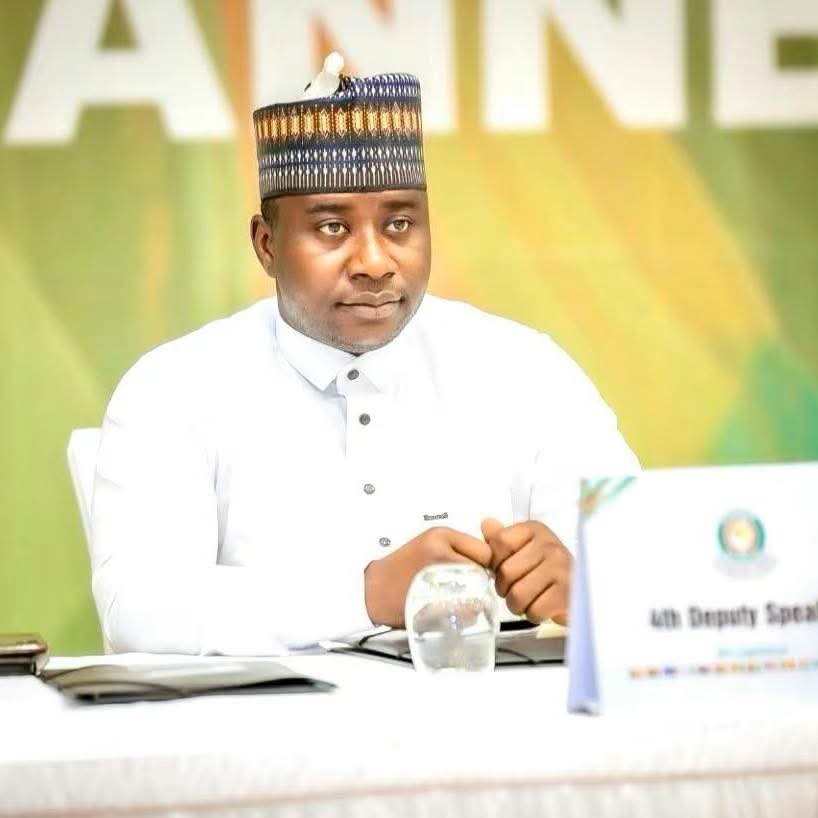
Speaking during the ongoing Delocalized Joint Committee Meeting of the ECOWAS Parliament in Dakar, Senegal, Tunkara said the West African Power Pool (WAPP) remains a critical vehicle for achieving universal access to electricity and driving economic transformation in rural communities throughout the sub-region.
The meeting, involving the Committees on Energy and Mines, Infrastructure, Agriculture, Environment and Natural Resources, is focused on the theme: “Harnessing Renewable Energy for Rural Electrification and Empowerment of Rural Economies in the ECOWAS Region: The Role of the ECOWAS Parliament.”
According to Tunkara, ECOWAS is committed to ensuring that by 2030, every West African has access to electricity, with special attention given to underserved rural communities.
“Our aim and objective is that by 2030, West Africa should have 100 per cent coverage in terms of access to electricity. We want member states to renew their commitment, particularly towards rural communities because these areas require greater attention,” he said.
The Gambian lawmaker emphasized that electricity is a powerful catalyst for economic growth, youth empowerment, entrepreneurship and agricultural development. He noted that reliable energy would significantly reduce post-harvest losses suffered by rural women farmers who often lack adequate storage facilities for their produce.
“We see electricity not as a privilege, but as a right. Every child, whether living far or near, should have access to electricity,” Tunkara stated.
He explained that access to refrigeration and modern storage facilities powered by electricity would help preserve agricultural produce, increase rural incomes and improve food security across the region.
Tunkara also highlighted the importance of regional integration in achieving the energy goals of ECOWAS, describing cross-border collaboration as indispensable to sustainable development. He cited the Sambangalou Dam Project in Guinea, which supplies electricity to Senegal and The Gambia, as a practical example of successful regional cooperation.
According to him, neighbouring countries often complement one another in extending electricity to border communities, making energy delivery more efficient and cost-effective.
“Cross-border cooperation allows member states to address deficiencies and strengthen energy security. If we are to integrate and cooperate, such partnerships are indispensable,” he said.
The Deputy Speaker further identified differences in regulatory frameworks and electricity tariffs among member states as major obstacles to regional energy integration. He called for the harmonization of legal instruments and tariff structures to facilitate seamless electricity trade and ensure equitable access across the sub-region.
“We need to harmonize our legal frameworks and advocate common tariffs so that we can all speak the same language regarding electricity governance,” he stressed.
Expressing optimism about the outcomes of the Dakar meeting, Tunkara said recommendations from the joint committees would be presented before the ECOWAS Parliament for deliberation and adoption before being forwarded to the ECOWAS Commission and subsequently to the Authority of Heads of State and Government for implementation.
As West Africa intensifies efforts to harness renewable energy and close the electricity access gap, Tunkara maintained that regional solidarity, coordinated policies and sustained political commitment will be essential to ensuring that no community is left behind.
For millions of rural residents across West Africa, the ECOWAS energy agenda represents more than infrastructure development—it symbolizes hope, opportunity and a brighter future where every child can learn, every farmer can prosper, and every community can thrive through reliable access to electricity.