
By Joy Omagha Idam
As political activities gradually gather momentum ahead of the 2027 general elections, presidential aspirant of the Action Alliance (AA), Joseph Faduri, has presented his vision for Nigeria, centred on youth leadership, economic revival, institutional reforms and national development.
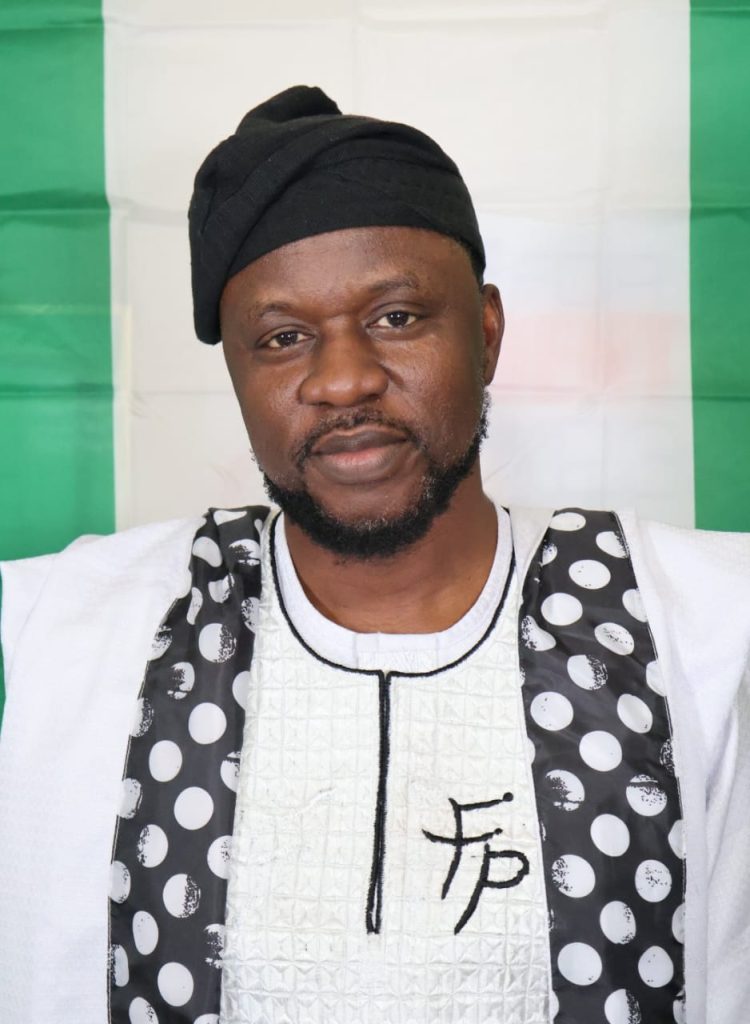
Faduri, who previously sought the Labour Party presidential ticket in 2023, said his decision to contest again stems from his conviction that Nigeria requires a new generation of leaders with fresh ideas and a strong commitment to public service.
Having lived in the United States for over two decades while making regular visits to Nigeria, he said his observations of governance in different countries convinced him that effective leadership remains the nation’s greatest challenge.
According to him, Nigeria possesses enormous human and natural resources capable of transforming the country into a prosperous nation if managed with accountability, competence and vision. He argued that leadership renewal has become imperative, stressing that younger Nigerians should be given greater opportunities to lead and shape the country’s future.
Reflecting on the 2023 elections, Faduri recounted his involvement in the Labour Party and his decision to step aside for Peter Obi’s presidential ambition. He described the decision as one made in what he believed was the broader national interest, maintaining that he harbours no regrets despite his personal experiences after the election.
The Action Alliance aspirant said the experiences of the last four years have broadened his understanding of Nigeria’s political environment and strengthened his resolve to pursue reforms aimed at improving governance and public confidence in democratic institutions.
Economic Recovery Agenda
A major component of Faduri’s proposed agenda focuses on addressing Nigeria’s economic challenges. He advocated policies that would reduce the cost of living, revive domestic refining capacity and encourage greater value addition within the country’s oil and gas sector.
He argued that strengthening local refining and reducing dependence on imported petroleum products would contribute to long-term economic stability while supporting industrial growth.
The presidential hopeful also called for policies that would encourage manufacturing, increase local production and create sustainable employment opportunities for millions of Nigerians.
Healthcare and Human Capital Development
On healthcare, Faduri proposed significant investment in Nigeria’s medical infrastructure to reduce dependence on overseas medical treatment. He believes strengthening hospitals, expanding healthcare facilities and improving medical personnel capacity would not only improve healthcare delivery but also generate employment across several sectors.
He equally identified education as a critical pillar of national development, advocating free and compulsory basic education for all Nigerian children while promoting increased investment in skills acquisition and human capital development.
According to him, expanding access to quality education would help reduce poverty, unemployment and insecurity over the long term.
Industrialisation and Local Content
Faduri also called for stronger support for indigenous industries through government patronage of locally manufactured products where feasible. He argued that encouraging domestic production and attracting manufacturers to establish production facilities within Nigeria could stimulate industrial growth and expand employment opportunities.
He maintained that deliberate industrial policies would strengthen the naira, deepen economic diversification and reduce dependence on imports.
Security and Governance
Addressing security, the presidential aspirant advocated improved welfare for members of the armed forces and enhanced investment in modern security equipment and institutional reforms.
He also stressed the importance of transparency, accountability and consistent communication between government and citizens, arguing that regular public engagement would strengthen trust and improve democratic governance.
Faduri said his administration, if elected, would prioritise collaboration with state governments regardless of political affiliation, maintaining that national development requires cooperation across party lines.
Commitment to Anti-Corruption
The Action Alliance candidate further pledged to strengthen the fight against corruption through improved enforcement of existing laws and greater accountability in public service.
He argued that responsible leadership and respect for the rule of law are essential for rebuilding public confidence in government and creating an environment that supports investment and national development.
As Nigeria prepares for another election cycle, Faduri’s campaign is positioning itself around youth inclusion, institutional reforms, economic recovery and accountable governance, themes he believes resonate with the aspirations of many Nigerians seeking a new direction for the country.