By Joy Omagha Idam
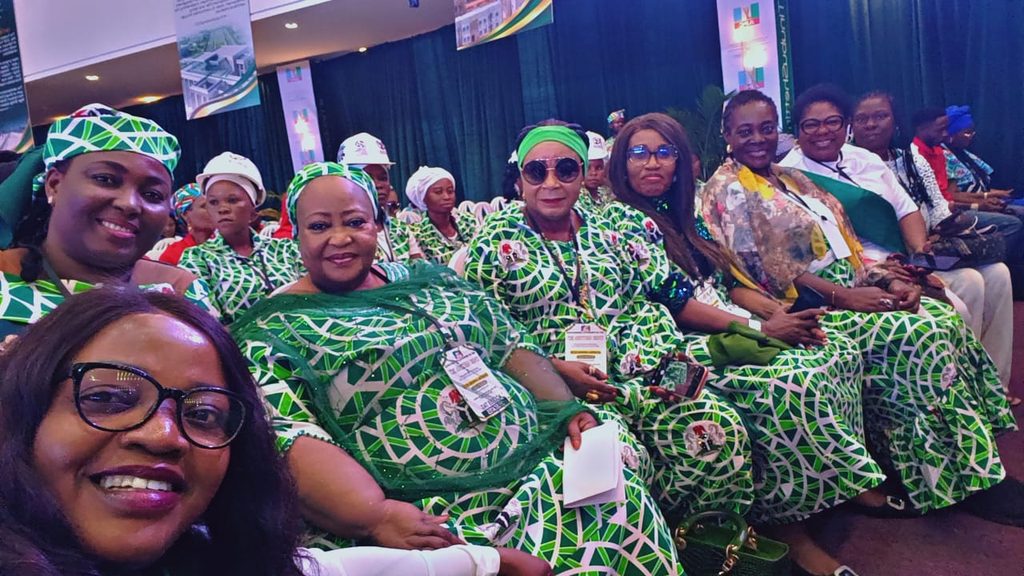
The All Progressives Congress (APC) on Monday, October 5, 2026, launched one of its biggest organisational moves yet to consolidate women’s political base ahead of the 2027 general elections, with the convergence of over 500 women support groups in Abuja.
The event, the APC Women Stakeholders’ Mobilisation and Empowerment Pre-Inaugural Summit, was held at the Bola Ahmed Tinubu International Conference Centre and convened by First Lady, Senator Oluremi Tinubu.
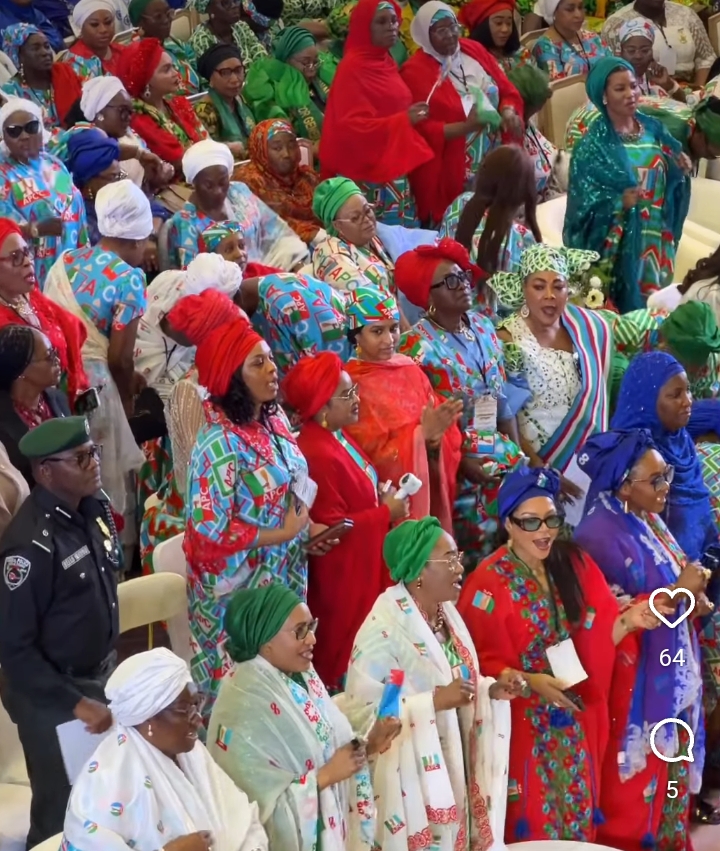
With the theme “Renewed Hope Agenda 2.0: From Reforms to Prosperity,” the summit brought together APC women leaders, political organisers, wives of political office holders and other stakeholders from across the six geopolitical zones under a single political structure — the APC Presidential Campaign Council Women Wing.
The gathering, which endorsed President Bola Ahmed Tinubu’s re-election bid for 2027, was described by organisers as a strategic shift from fragmented support groups to a unified campaign machinery.
From Support Groups To Single Structure
For years, women’s political support groups have operated around different personalities and campaign identities.
That arrangement, according to the First Lady, has now been collapsed into one APC structure.
“What you will see on the ballot box is APC,” Senator Tinubu said, according to the Voice of Nigeria, adding that the mobilisation would not stop at the presidential election but would extend to APC candidates contesting governorship, National Assembly and State Assembly seats.
The implication is that the mobilisation is not only presidential but party-wide.
Target: 40 Million Women Votes
Ahead of the summit, the APC Presidential Campaign Council Women Mobilisation Directorate said it is targeting 40 million women votes for President Tinubu and Vice-President Kashim Shettima.
The directorate claimed its grassroots structure covers about 176,846 communities nationwide, describing the drive as a 100-day sprint involving community engagement and door-to-door mobilisation.
The figures remain campaign targets, but they underscore the scale of organisation the ruling party hopes to build — moving the conversation from conference halls to wards, markets, religious communities and households.
Reforms To Prosperity Message
The First Lady told participants that the administration’s economic reforms since 2023 were beginning to yield results, citing improvements in economic indicators, growing foreign reserves, increased investment, agricultural support and student loans through NELFUND.
The political challenge, however, is translating such national claims into everyday experiences for voters.
APC National Women Leader, Mary Alile Idele, said the task of women leaders was to take government policies “from policy to the people,” particularly in homes, markets and grassroots organisations.
Empowerment Meets Mobilisation
The summit also combined political mobilisation with economic empowerment, as beneficiaries received items including tricycles, sewing machines, refrigerators and agricultural implements.
Princess Gloria Akobundu, a member of the Women Mobilisation Wing, described the items as instruments of economic empowerment, urging beneficiaries to use them productively to build businesses.
Observers say the combination of empowerment and mobilisation makes the political message more tangible, though questions remain about the spread and sustainability of such interventions beyond participants at the Abuja event.
The Grassroots Test
Perhaps the real test of Monday’s gathering, organisers admitted, will be what happens after the Abuja hall empties.
APC women leaders said networks would be strengthened across wards, local governments and communities, with measurable actions and accountable results.
“We must return to our states and convert messaging into engagement,” Idele reportedly told participants.
The First Lady also announced plans for six zonal mega rallies across the country, culminating in a grand finale in Abuja — a structure designed to adapt the national campaign message to regional realities.
Beyond Endorsement
Stakeholders at the event emphasised that women should be seen as partners and leaders in development, not merely as mobilisers.
Hajia Fatima Abbas Tajudeen, Chairperson of the House of Representatives Spouses Association, called on women to participate actively in the democratic process while leveraging their grassroots networks.
The summit adopted the slogan “One Voice, One Movement, One Choice, One Mandate 2027,” capturing the APC’s ambition to transform fragmented support groups into a coordinated network.
But political analysts note that while the endorsement by over 500 groups is a major organisational development, it should not be confused with an independent measure of the preferences of all Nigerian women voters.
The reported groups represent organised political constituencies, not necessarily the entire female electorate expected to vote in 2027.
What It Signals
The October 5 summit signals an early start to the APC’s campaign machinery, with women positioned as a central pillar of the 2027 strategy.
By building networks now, consolidating support groups now and setting mobilisation targets now, the party is seeking to move ahead of the formal campaign season.
Whether the Abuja mobilisation can be sustained at the grassroots — in markets, wards and communities where elections are ultimately won — will be one of the key political stories to watch in the months ahead.
The National Chairperson Nigeria Association of Women Journalists, NAWOJ, Hajia Aishatu Ibrahim, Assured the First Lady that female journalists Will Use their Pen and Voices to remote the Proceedings Before, during and after the Elections, as members of the fourth Estate of the Realm.