
Tension continues to surround Amasiri in Ebonyi State, and many citizens are asking difficult but necessary questions.
At the heart of the matter is a troubling silence from leaders and a growing sense that the full story has not been told, the Silence Around Amasiri.
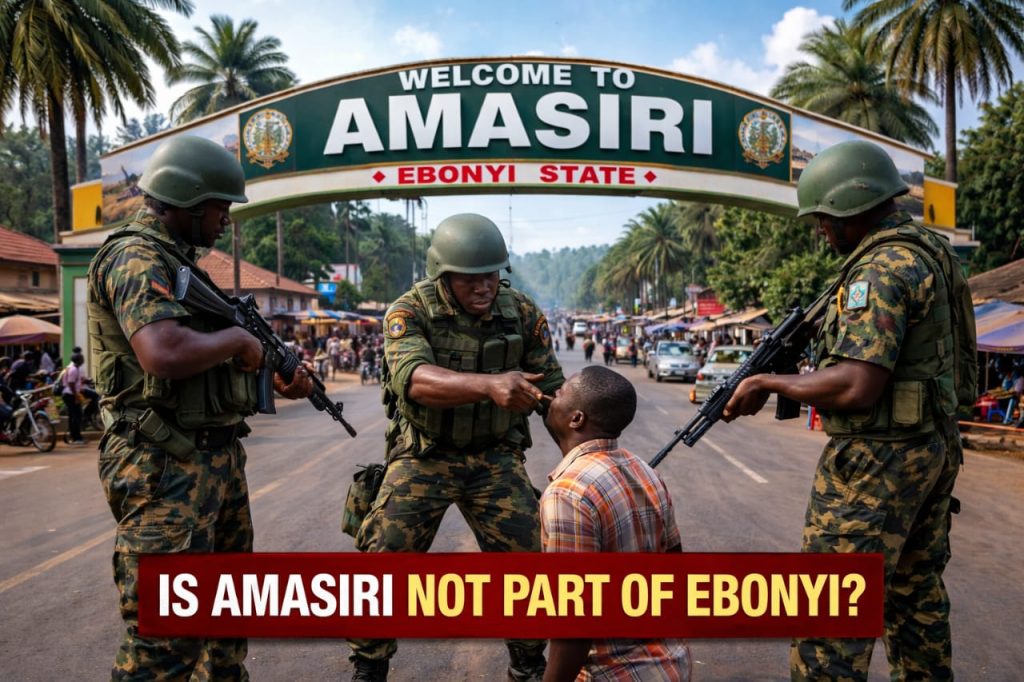
What exactly is happening in Amasiri that leaders appear reluctant to explain publicly?
In any democratic society, silence from those in authority often fuels suspicion.
When communities experience unrest, displacement, or allegations of violence, the public expects transparency. The absence of clear communication creates a vacuum, one that becomes filled with rumours, fear, and mistrust.
If there are legal findings or official investigations, they should be communicated responsibly to calm tensions; people’s reports from Amasiri indicate troubling situations of collective punishment.
Was Amasiri Found Guilty?
Another pressing question is whether Amasiri as a community has been “found guilty” of the accusations being circulated.
Communities are not individuals, even when investigations identify wrongdoing by certain persons, collective punishment or labelling can deepen divisions.
If there were findings against specific actors, the public deserves to know, what the allegations are. Who was investigated? What evidence was established? What legal process was followed? Without such details, the narrative remains incomplete and potentially harmful.
Interpreting the Work Minister’s Statement,
When the Work Minister stated that critics of Governor Nwifuru do not understand.
“What is happening in Amasiri” and why certain measures are necessary to prevent escalation, that statement raises further questions.
In plain terms, it suggests there is sensitive information not publicly disclosed.
However, this explanation alone may not satisfy concerned citizens.
If extraordinary measures are being justified on security grounds, then at a minimum, leaders owe the public a framework of understanding:
- What kind of escalation is being prevented?
- Is there an imminent threat?
- Are these measures temporary?
- What safeguards exist to protect innocent civilians?
Security concerns are legitimate, but so is accountability. Does Guilt Dismiss the Conflict With Oso-Edda?
Even if Amasiri were found responsible for certain actions, would that erase the long-standing conflict between them and neighbouring Oso-Edda?
Conflicts between communities are rarely one-sided or isolated to a single event.
They often involve years of grievances, land disputes, retaliations, and unresolved tensions. Assigning blame to one side does not automatically dissolve the broader conflict.
What true peace requires, is honest documentation of events, equal investigation of allegations from both sides, and protection of innocent lives in all affected communities.
There are also concerns about alleged kidn@ppings attributed to individuals from Oso-Edda in the past. If such reports existed, how was it treated, was it officially documented? Was any arrest made?
Selective acknowledgement of violence, highlighting one side while ignoring another, can inflame rather than resolve a crisis.
Every allegation of kidn@pping, attack, or intimidation deserves equal scrutiny, regardless of the community involved.
The Need for Balanced Justice.
The situation in Amasiri calls for:
Transparency from the government.
Independent verification of claims.
Equal protection for all communities involved, open communication to prevent misinformation.
The people are not asking for sensationalism. They are asking for clarity.
What is happening in Amasiri? Was there a formal finding of guilt?
What measures are truly necessary to prevent escalation? And are all allegations, on every side, being taken seriously?
Until these questions are addressed openly, speculation will continue to thrive.
In matters of communal conflict, transparency is not weakness, it is the first step toward lasting peace.
God bless Ebonyi State
Effium Concerned Patriots