
By Joy Omagha Idam
The Diplomatic Correspondents Association of Nigeria (DICAN) has stressed that the credibility of Nigeria’s 2027 general elections will depend largely on the strength of political parties, democratic institutions and effective accountability mechanisms put in place ahead of the polls.
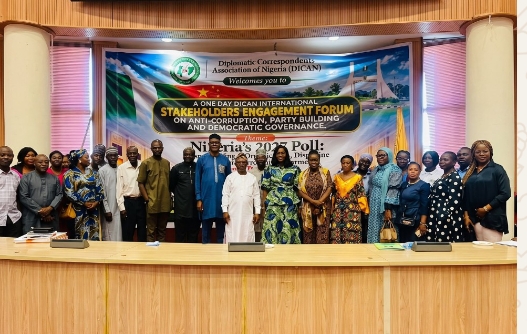
The Chairman of DICAN, Idehai Frederick, gave the warning on Wednesday, November 18, 2026, during the International Stakeholders Engagement Forum on Anti-Corruption, Party Building and Democratic Governance, held at the Rotunda Hall of the Ministry of Foreign Affairs, Abuja.

Frederick maintained that democracy must go beyond the conduct of periodic elections, insisting that credible democratic governance requires political parties founded on clear principles, internal discipline, transparency and respect for the rule of law.
According to him, democratic consolidation is only possible when institutions are strong, political parties embrace internal democracy and public officeholders remain accountable to the people.
The forum, which brought together policymakers, diplomats, political stakeholders, academics, civil society organisations and anti-corruption advocates, was designed to encourage constructive dialogue on strengthening democratic governance and addressing institutional weaknesses.
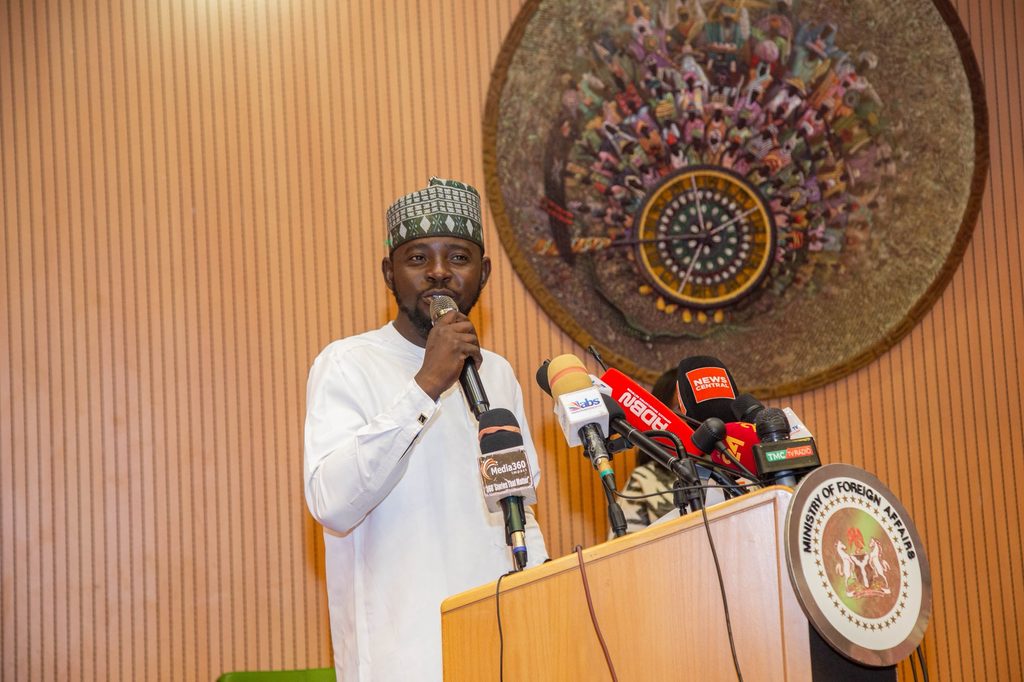
With the theme, “Nigeria’s 2027 Poll: Promoting Party Organisation, Discipline and Anti-Corruption Reforms: Lessons from Xi Jinping Thought,” the engagement examined governance practices and possible reforms that could improve Nigeria’s political system.
DICAN Explains Interest in China’s Governance Experience
Addressing concerns surrounding the examination of China’s political model, Frederick clarified that the objective was not to advocate the abandonment of Nigeria’s constitutional multiparty democracy but to identify useful governance practices that could be adapted to the country’s peculiar circumstances.
He explained that China’s political arrangement operates under a system officially described as multiparty cooperation and political consultation under the leadership of the Communist Party of China (CPC).
According to him, while the CPC remains the governing party, other legally recognised political parties participate in consultation and policymaking within the country’s political framework.
He emphasised that Nigeria must continue to uphold political competition, electoral choice, citizen participation and the rule of law, noting that lessons from other countries should be examined within the context of Nigeria’s democratic realities.
Frederick also identified China’s achievements in economic transformation, poverty reduction, infrastructure development and long-term national planning as areas deserving serious policy consideration.
Media Critical to Democratic Accountability
The DICAN chairman further highlighted the strategic role of the media in strengthening democracy, promoting transparency and holding public institutions accountable.
He described journalists as an important link between government and citizens, stressing that responsible journalism remains essential to informed public debate and citizens’ understanding of governance and democratic processes.
He reaffirmed DICAN’s commitment to creating platforms for meaningful engagement and partnerships among government institutions, diplomatic missions, civil society organisations and development partners.
Frederick also acknowledged the contributions of Nigeria’s anti-corruption agencies, democratic institutions, political leaders and civil society advocates towards promoting accountability and good governance.
Stakeholders Urged to Strengthen Institutions Ahead of 2027
Reiterating the importance of early preparations for credible elections, the DICAN chairman said the quality of the 2027 general elections would be determined not merely by what happens on election day but by the institutional foundations established long before the exercise.
He identified credible institutions, principled leadership, responsible political parties, active citizen participation and commitment to national interest as critical requirements for democratic stability.
He urged participants to move beyond theoretical discussions and develop actionable recommendations capable of strengthening political institutions, deepening democratic accountability and promoting national cohesion.
According to him, the engagement should produce practical ideas that would contribute to political stability, sustainable development and a stronger democratic culture.
Among those who contributed to the discussions were representatives of the Ministry of Foreign Affairs, Chinese diplomatic representatives and former Chairman of the Inter-Party Advisory Council (IPAC), High Chief Peter Ameh.
Ameh called for stronger internal democracy within political parties, transparent political financing and sustained accountability by elected public officials.
The discussions underscored the need for Nigeria to strengthen its democratic institutions, promote responsible political leadership and address governance challenges ahead of the 2027 general elections.