
By Coach Jubril Yussuf Kenny
Head Coach NATIONAL INSTITUTE FOR SPORTS (NIS)
Matchday appearance matters more than many of us realize. This isn’t about vanity—it’s about professionalism.
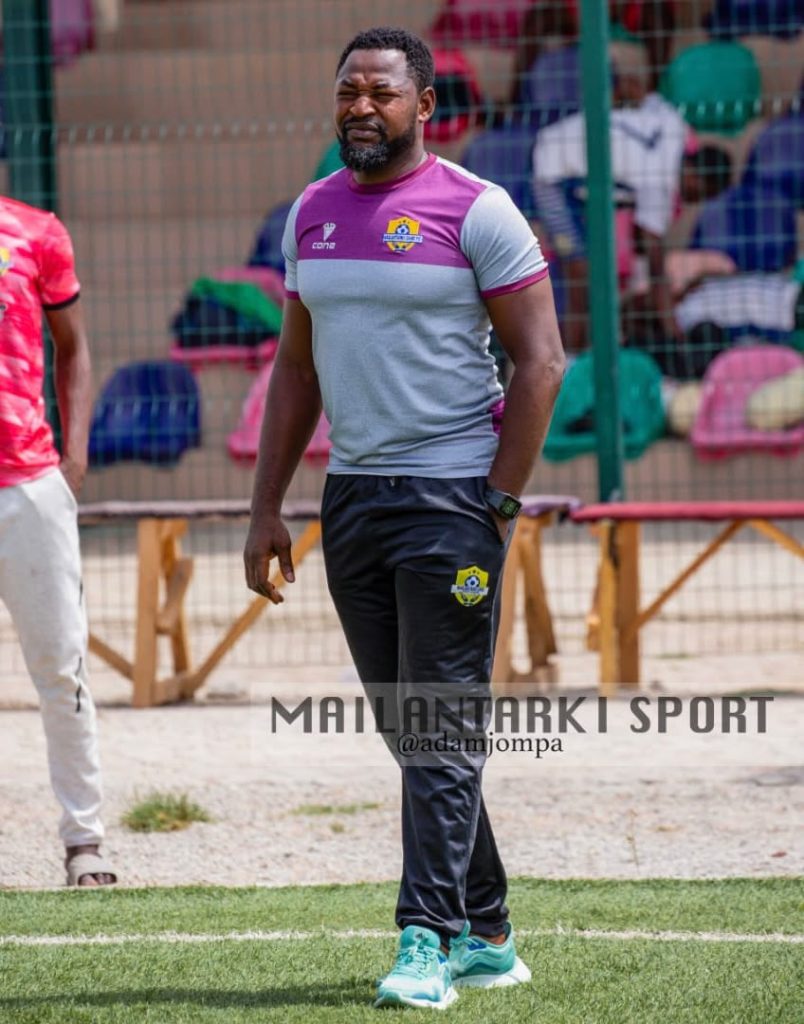
It is disappointing to still see many licensed coaches, especially at the grassroots level, entering the technical area wearing slippers, dirty shorts, worn-out shirts, or even sandals.
Some may say, “We’ve always done it this way.” But that mindset should have ended the day we earned our coaching licenses. It does not reflect the standards of our profession.
CAF and FIFA now emphasize coach conduct and professional image in coaching education for a reason. The technical area is part of football’s presentation to the world. How you dress communicates a message long before kickoff.
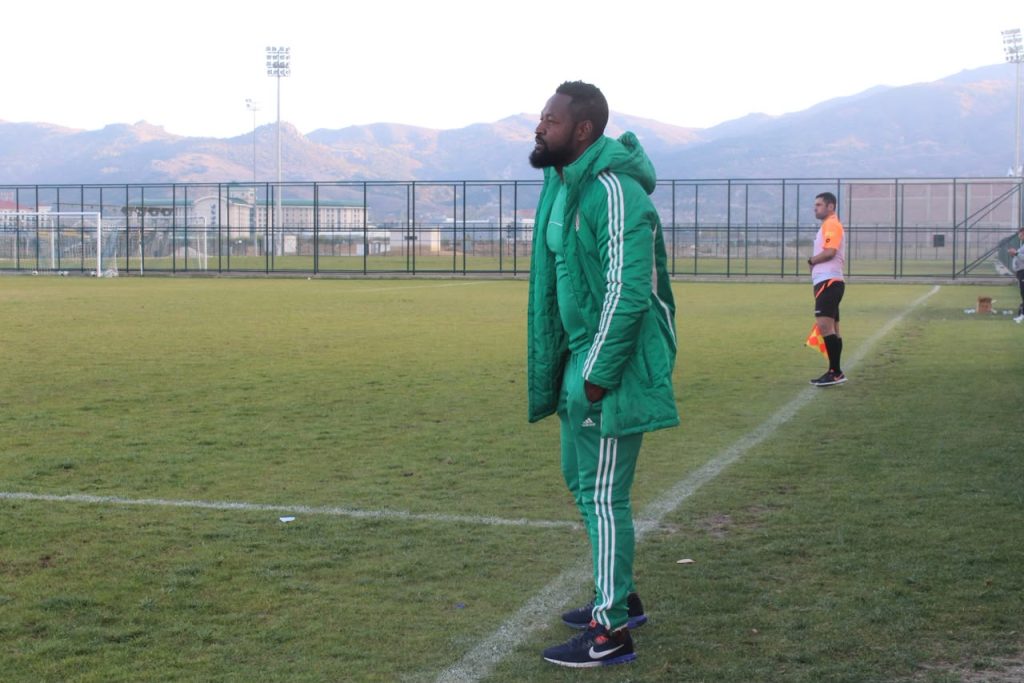
- Club and League Image
Sponsors invest millions to associate with a professional product. They don’t want their brand linked to an unprofessional appearance.
A well-presented technical bench sends a strong message to sponsors, broadcasters, fans, and the media that the club and league take professionalism seriously. Football is no longer just 90 minutes of play—it is a business, a brand, and a spectacle. Presentation adds value.
- Player Psychology
Your appearance sets the standard.
Players often mirror the attitude and professionalism of their coach. If a coach arrives in slippers and a torn shirt, the message is that standards don’t matter. When a coach looks organized, disciplined, and professional, players are more likely to respect instructions and embrace the team’s culture.
- Respect for the Game
The technical area is your workplace.
Dressing appropriately demonstrates respect for:
- The game
- Match officials
- Opponents
- Supporters
- The media
People often form their first impression within seconds. Let that impression reflect professionalism.
- Setting the Standard
Young players learn by watching their coaches.
If licensed coaches normalize poor dressing habits, the next generation will do the same. As coaches, we are role models and standard-bearers for the future of football.
This doesn’t mean wearing a three-piece suit under the hot sun in Takoradi, Kasoa, Sefwi, Bolga, Kumasi, or Accra.
A clean club tracksuit, a branded polo shirt with trousers, or a neat shirt with trousers and trainers is more than appropriate.
What should be avoided on matchday includes:
- Slippers
- Sandals
- Singlets
- Street clothes
- Dirty or worn-out attire
Football is a business, and the coach is the CEO on the touchline. CEOs do not attend board meetings dressed casually.
Dressing well is not about fashion. It is about:
- Respect for the game
- Pride in the profession
- Professional representation of your club and league
On matchday, every detail contributes to the overall spectacle—and your appearance is part of that presentation.
The Bottom Line
You may be one of the best tacticians in football, but if you appear unprepared, many people will assume your team is too.
Professionalism begins before the first whistle. Dress like the leader your players expect and the game deserves.