
By Remi Johnson
Mandate Secretary of the FCT Health Services and Environment Secretariat, Dr. Adedolapo Fasawe, has reiterated the commitment and preparedness of the Health Secretariat to continue strengthening health surveillance in order to guard against the spread of preventable diseases in Abuja.
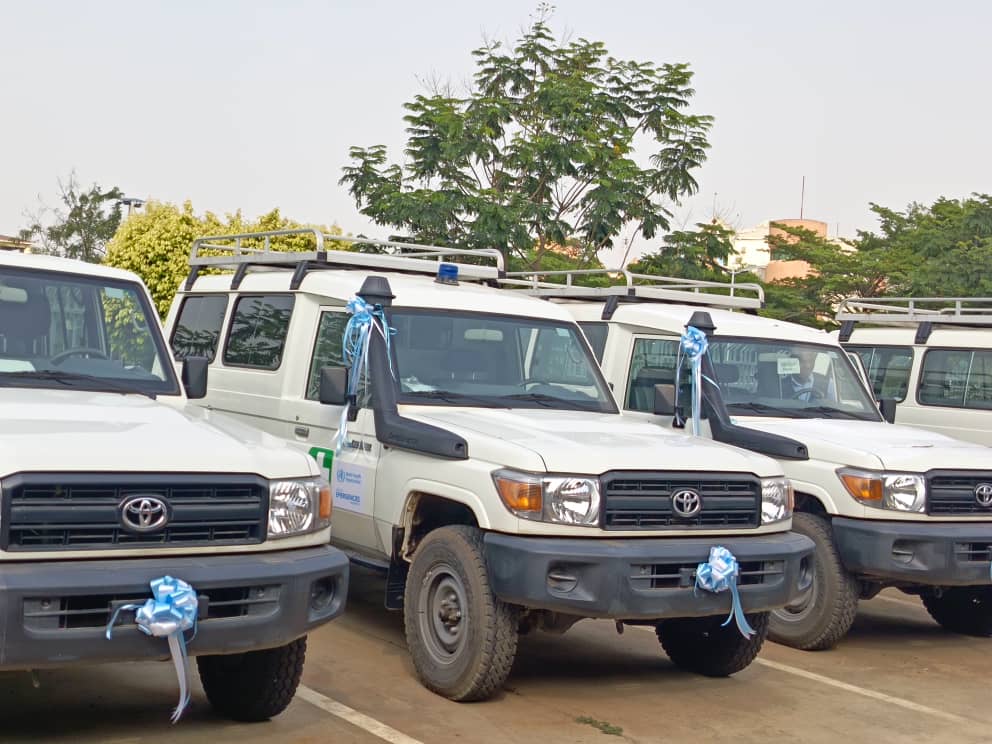
Dr. Fasawe gave this assurance at the premises of the UN House in Abuja, where she received eight utility vehicles donated by the World Health Organization (WHO) to the Federal Capital Territory Administration (FCTA) to further bolster health emergency response in the FCT.
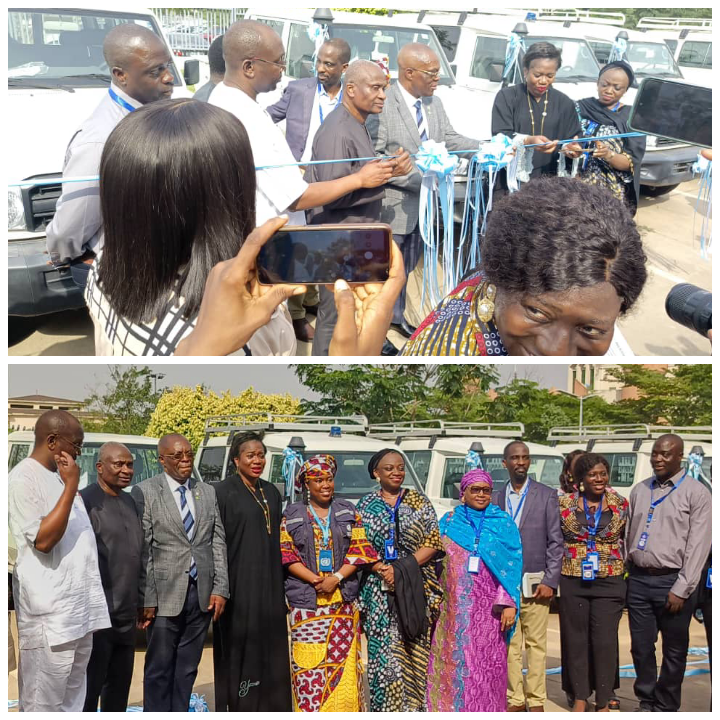
Dr. Fasawe thanked the WHO for its support and called for increased investment in disease surveillance systems to safeguard public health, facilitate early detection of outbreaks, and enable swift responses to protect communities from health threats.
While urging health professionals and those who will utilize the vehicles to use them strictly for their intended purposes, Dr. Fasawe praised the collaboration among healthcare providers, laboratories, and public health agencies, noting that effective surveillance requires coordination and innovation.
“Investing in disease surveillance is investing in our collective health security. It’s crucial for preventing outbreaks, reducing morbidity and mortality, and promoting global health stability.
“Disease surveillance is the backbone of public health. It enables us to detect outbreaks early, respond swiftly, and prevent widespread harm. By monitoring disease trends, we can identify hotspots, track transmission patterns, and inform evidence-based policies.
“Effective disease surveillance requires collaboration, coordination, and communication among healthcare providers, laboratories, and public health agencies. We must leverage technology, data analytics, and innovative tools to enhance our surveillance capabilities,” she said.
The eight vehicles were handed over as part of the WHO’s Strengthening and Utilizing Response Groups for Emergencies (SURGE) initiative, aimed at improving emergency preparedness and response capacity in Nigeria.
Handing over the vehicles, WHO Country Representative to Nigeria, Dr. Walter Kazadi Mulombo, noted that the FCT is one of six states selected to pilot the SURGE project in Nigeria.
According to Molombo, the initiative, developed by the WHO Regional Office for Africa (AFRO), is designed to enable countries to mobilize emergency teams within 24 hours of a confirmed outbreak.
Dr. Mulombo emphasized that Africa faces more than 100 health emergencies annually, underscoring the importance of a rapid and well-coordinated response system.
He described the initiative as a significant milestone and a measure that will not only boost the FCT’s operational readiness and rapid deployment capabilities in times of crisis, but also bolster health security in the territory.
“We are here to officially hand over eight utility vehicles to the Federal Capital Territory Administration, Health Services, and Environment Secretariat. These vehicles, procured with the generous support of WHO, are intended to enhance the operational capacity of the FCT Public Health Emergency Response System.
“The handover is not just symbolic,” Dr. Mulombo noted. “It is a practical advancement toward realizing the SURGE initiative’s four pillars: workforce development, response coordination, logistics, and risk communication.”
Commending the leadership of the FCT Administration, WHO reaffirmed its commitment to supporting Nigeria with technical and logistical assistance in building a resilient public health infrastructure.
The event was attended by representatives of the Federal Ministry of Health and Social Welfare, the Nigeria Centre for Disease Control and Prevention (NCDC), WHO staff, and other partners.