By Joy Omagha Idam
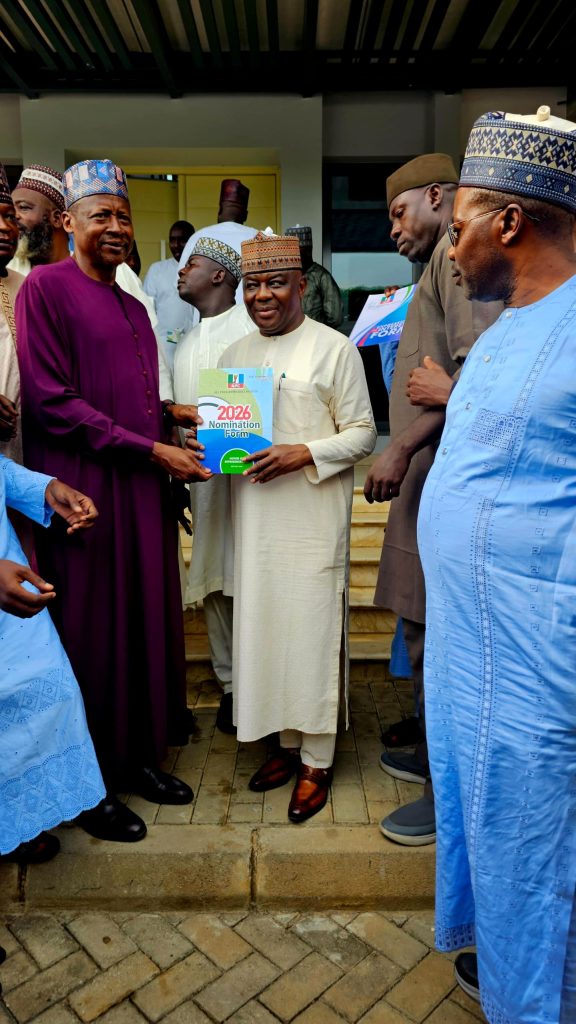
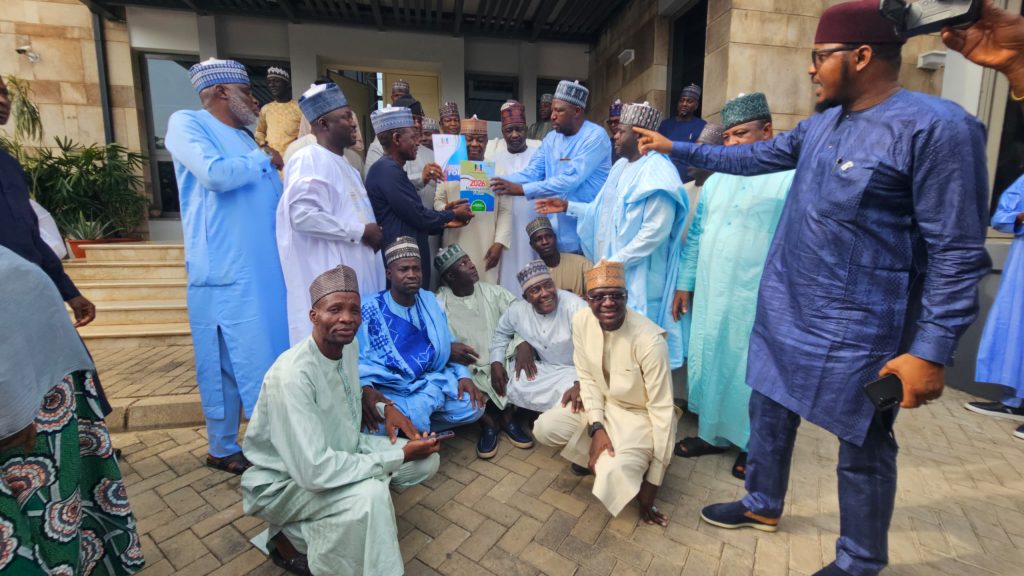
In the evolving landscape of Nigerian politics, moments of organic grassroots mobilization often speak louder than formal declarations. Such a moment recently unfolded in Borno State, where a former Deputy Governor, Alhaji Adamu Shettima Yuguda Dibal, led a delegation of constituents to obtain the nomination form for Hon. Mukhtar Aliyu Betara—an act that goes beyond routine political procedure and reflects a deeper narrative of trust, performance, and continuity.
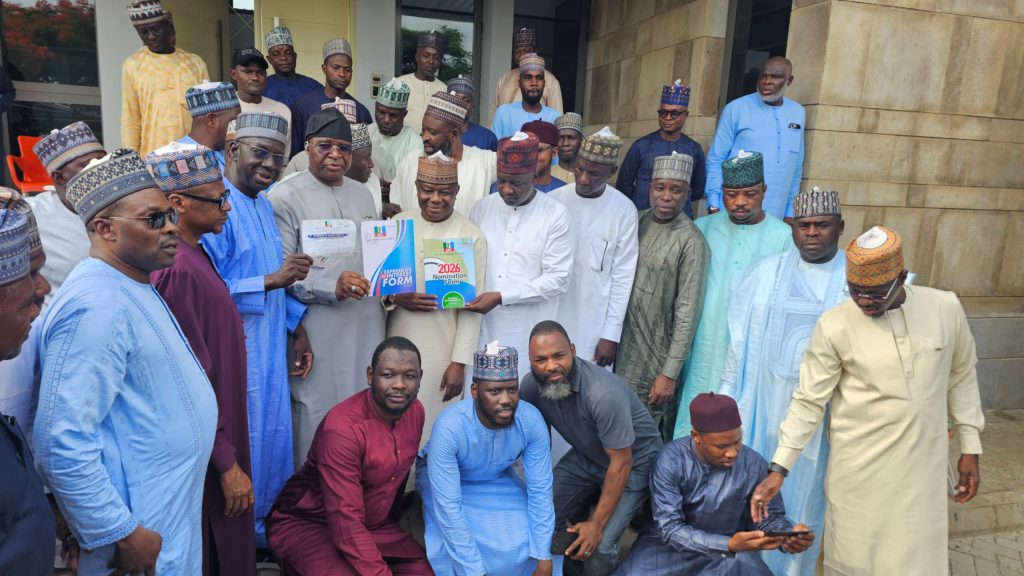
The gesture, symbolic yet strategic, underscores a growing wave of confidence in Hon. Betara’s stewardship at the National Assembly. Rather than waiting for a formal campaign kickoff, constituents have taken the initiative, signaling not just support, but ownership of his political journey.
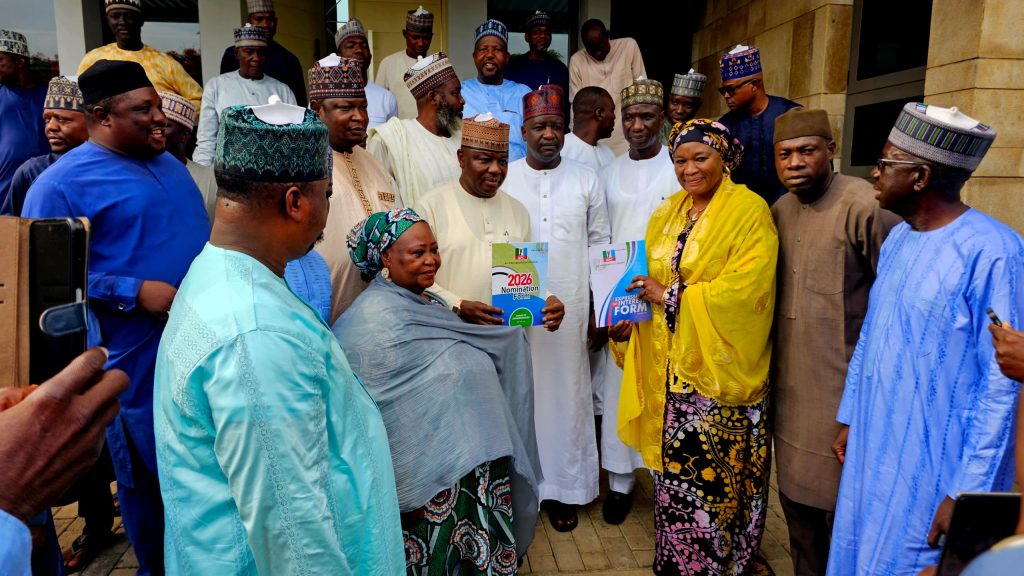
For many observers, this development highlights a shift from personality-driven politics to performance-based endorsement. Dibal, while addressing the gathering, framed the moment as a collective decision rooted in experience. He described Hon. Betara as a public servant whose legislative record and constituency interventions have resonated across communities, earning him both credibility and loyalty.
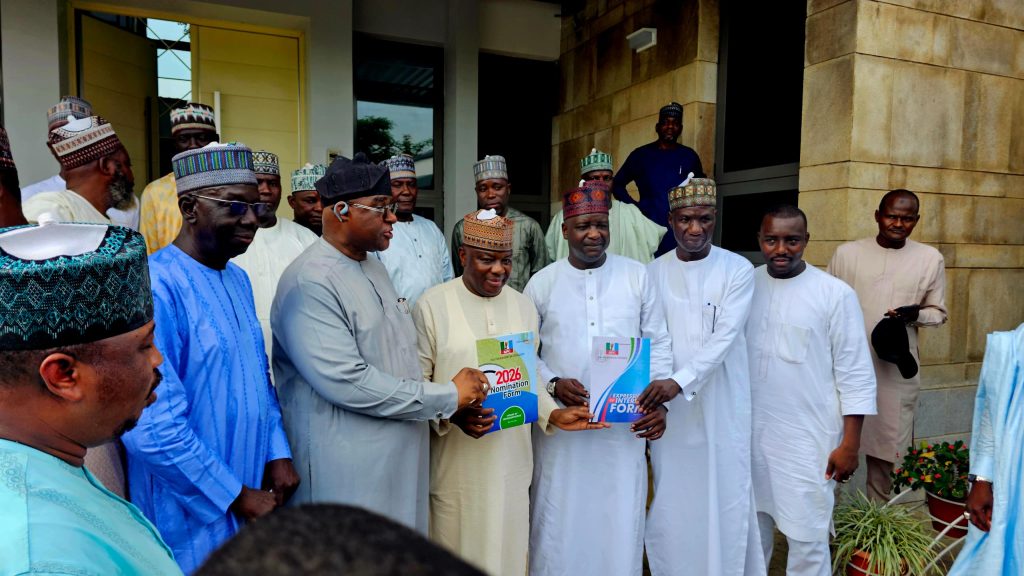
Across Biu and surrounding areas, conversations with stakeholders reveal a pattern: roads rehabilitated, educational initiatives supported, and social welfare interventions extended to vulnerable groups. These tangible outcomes, according to the Chairman of Biu Forum, Mohammed Ize Mamman, have created a bond between the lawmaker and his constituents—one built not on rhetoric, but results.
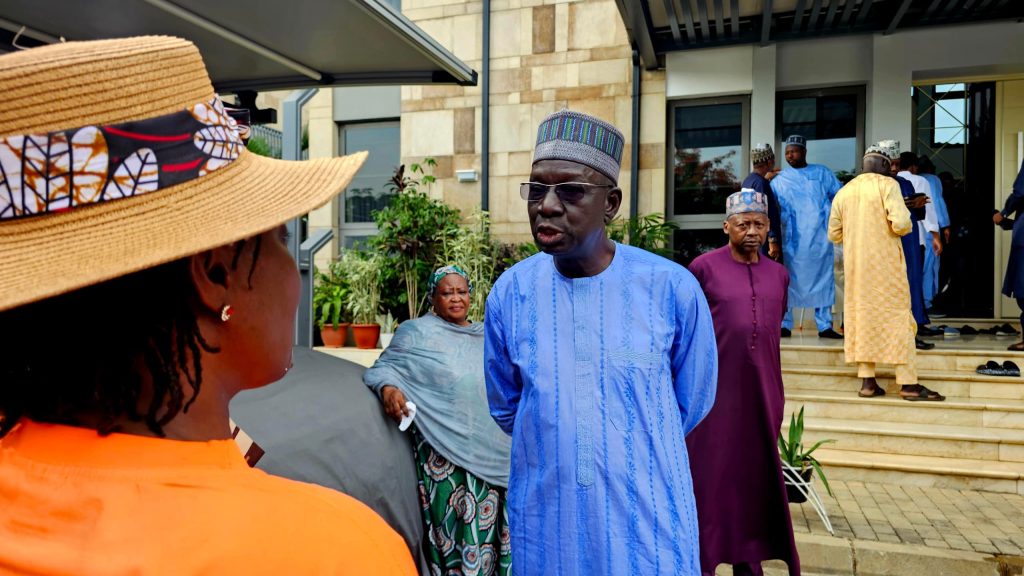
Equally significant is the emphasis on accessibility. In a political environment where elected officials are often perceived as distant, Hon. Betara’s responsiveness has become a recurring theme among supporters. It is this perceived closeness to the people that many say informs their decision to back his return.
Adding another layer to the unfolding narrative, Amb. Mustapha Betara Aliu described the early mobilization as a strong indicator of political viability. In Nigeria’s electoral dynamics, such pre-primary momentum can shape outcomes long before ballots are cast.

His remarks point to a broader reality: that elections are often won in the quiet build-up of trust and consensus, rather than in the noise of campaign rallies.
Yet, beyond strategy and symbolism, the story speaks to a larger democratic principle—the power of constituents to influence political direction.
By purchasing the nomination form, these supporters are not merely endorsing a candidate; they are actively participating in the process, reinforcing the idea that representation is a shared responsibility.
As the political calendar advances toward party primaries, expectations continue to build. Hon. Betara’s anticipated formal response is likely to set the tone for the next phase of engagement. Meanwhile, consultations and mobilization efforts persist, driven by a constituency that appears both invested and determined.
In the end, this development is more than a political footnote. It is a reflection of how leadership, when perceived as effective and inclusive, can inspire not just support, but collective action. Whether this momentum will translate into electoral success remains to be seen, but for now, the message from Borno is clear: the people are not waiting—they are leading.