
…Says women must transform individual strength into organised influence
By Joy Omagha Idam
The Minister of Women Affairs and Social Development, Hon. Imaan Sulaiman-Ibrahim, has called on Nigerian women to move beyond occupying spaces to deliberately influencing the decisions that shape their families, businesses, communities and the nation.
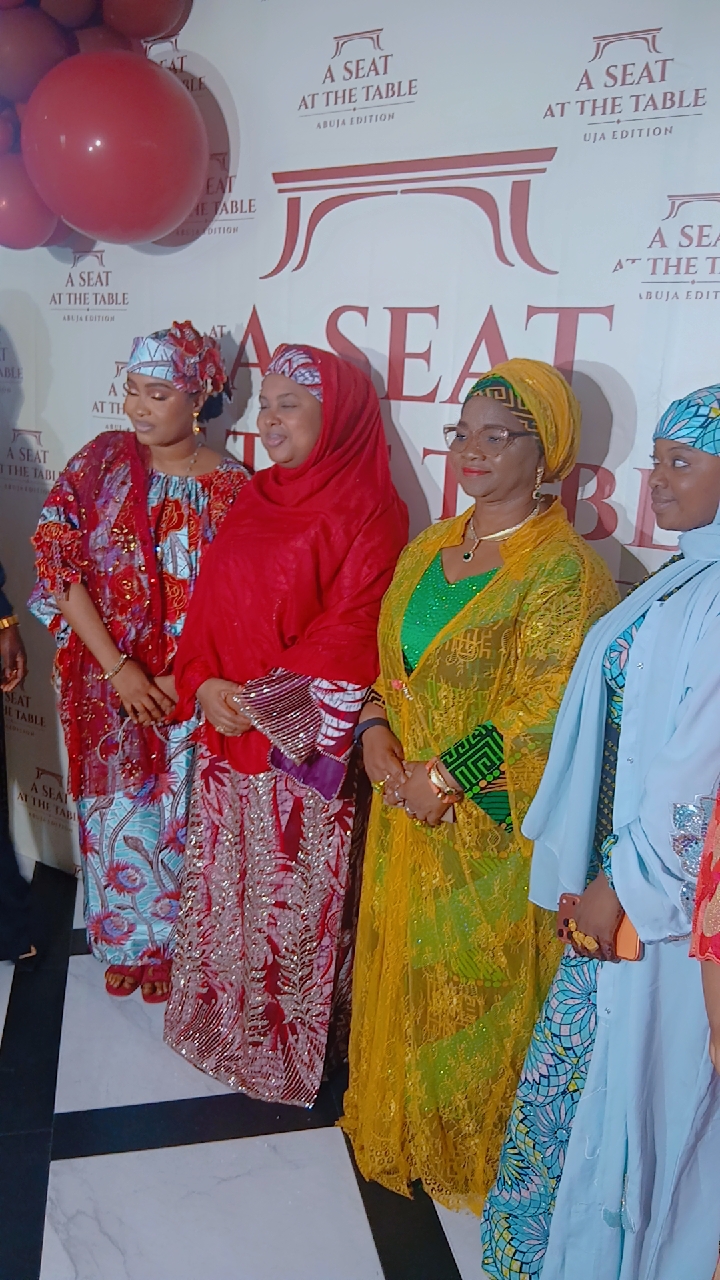
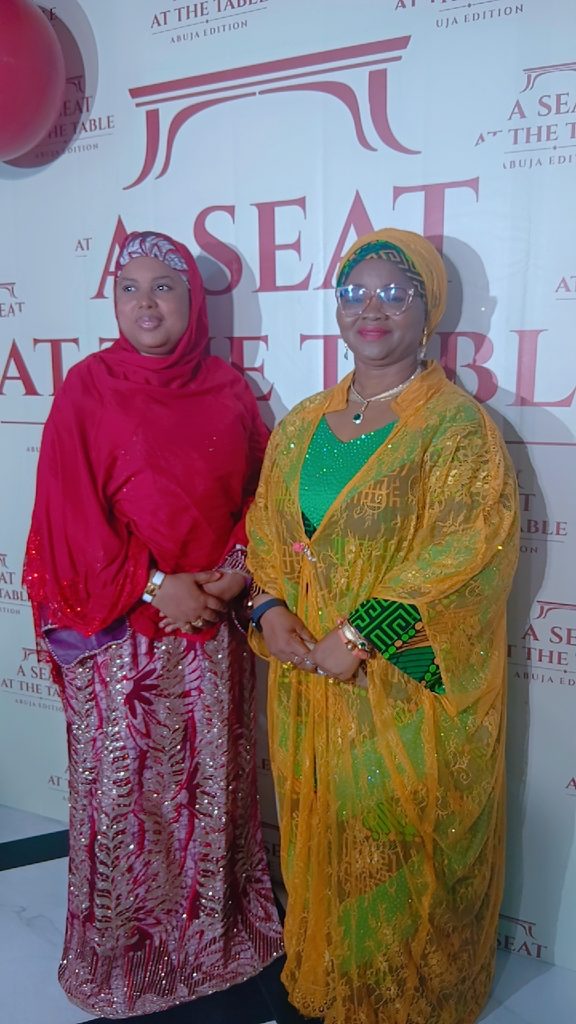
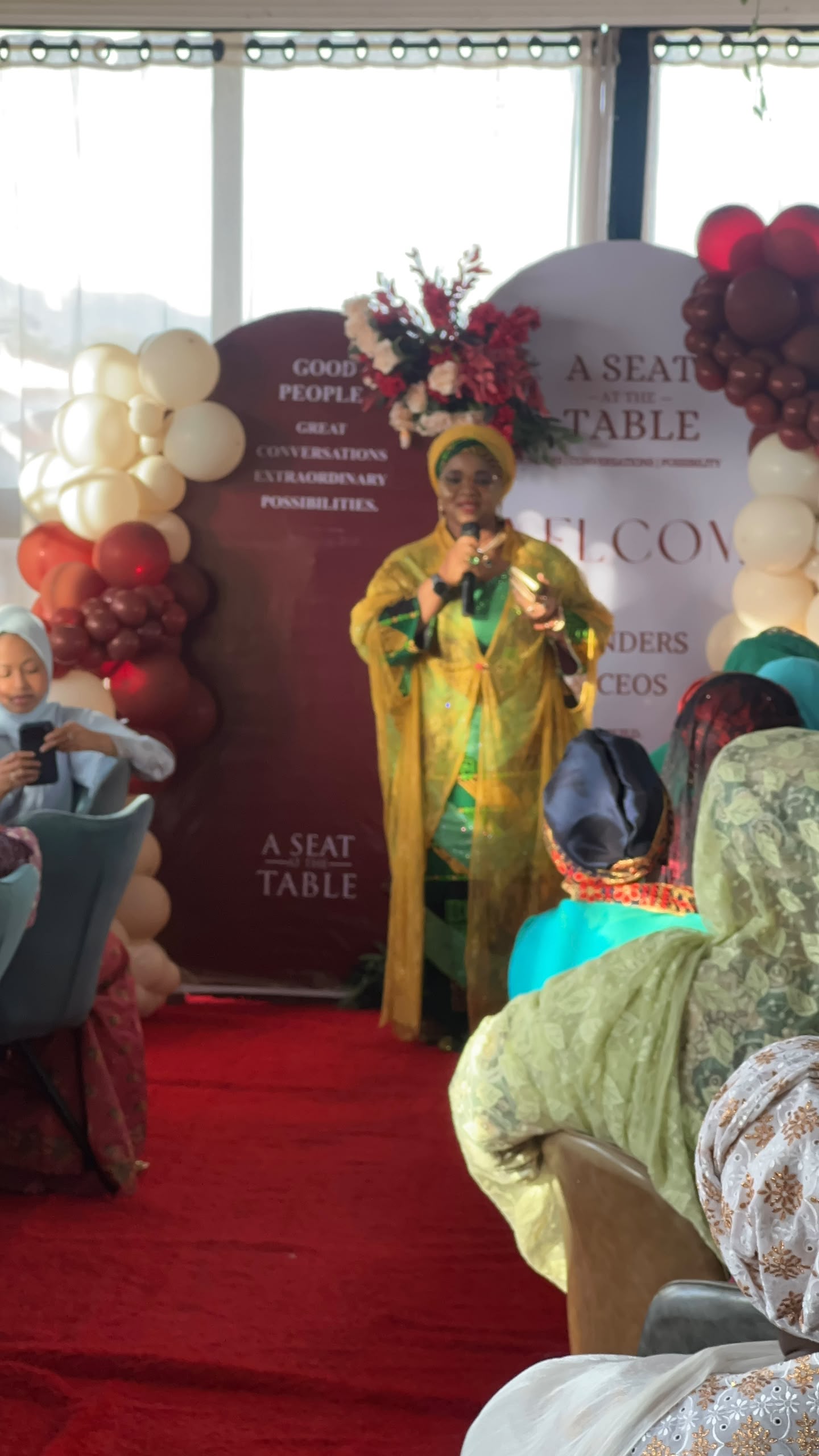
Sulaiman-Ibrahim made the call in Abuja on September 20, 2026, while delivering the keynote address at the Abuja edition of “A Seat at the Table,” a gathering that brought together women entrepreneurs, professionals, executives, founders and community builders. She was represented at the event by her Special Assistant Technical and Community Engagement/Chairman, Governing Council, Maryam Babangida National Centre for Women Development, Princess Jummai Idonije.
Speaking on the significance of the theme, the Minister described a “seat at the table” as more than physical presence, stressing that it represents access, visibility, participation and the opportunity to influence decisions and outcomes.
She urged women not to underestimate the value of their contributions, noting that women have continued to build businesses, create employment, raise families, sustain communities and contribute significantly to economic activity.
According to her, the time has come for women to take ownership of their narratives and challenge perceptions that equate cultural values such as humility and respect with a lack of ambition or capacity.
She particularly highlighted the experiences and contributions of women from Northern Nigeria, saying their stories should increasingly be told by the women themselves rather than being defined by others.
The Minister drew from her own experience in public service, recalling her service in institutions including the National Agency for the Prohibition of Trafficking in Persons (NAPTIP) and the National Commission for Refugees, Migrants and Internally Displaced Persons.
She also recalled becoming Nigeria’s first female Minister of State for Police Affairs, saying her experiences in government had demonstrated the importance of women’s representation in decision-making spaces.
Sulaiman-Ibrahim observed that decisions affecting women would continue to be made even when women were absent from the rooms where such decisions were taken, making women’s participation in leadership and policy processes essential.
She further encouraged women to reject the idea that family, professional responsibilities, culture and ambition cannot coexist, maintaining that women can simultaneously contribute meaningfully to their families, enterprises, communities and public life.
The Minister also challenged businesswomen to see their enterprises as more than personal commercial ventures.
She explained that every business contributes to a wider economic ecosystem because employees have families, customers belong to communities and supply chains connect different categories of people and economic actors.
According to her, businesses ranging from farms, salons and shops to factories, technology companies, fashion enterprises, consultancies and professional practices form part of the architecture of national productivity.
A major focus of her address was the “Power of 10 Million”, which she presented as a concept centred on the collective strength of millions of Nigerian women.
She said the figure should not merely be viewed as a numerical target but as representing millions of women who are entrepreneurs, professionals, mothers, investors, community leaders and citizens capable of contributing to national development.
However, she cautioned that numbers alone would not produce meaningful influence unless women became organised, connected and intentional in their collective engagement.
She therefore linked the theme “One Voice. One Movement. One Choice” to the need for women to transform individual experiences and networks into organised platforms for participation.
In the political context of the initiative, the Minister said “One Choice” represents the collective support being expressed for President Bola Ahmed Tinubu as the All Progressives Congress presidential candidate for the 2027 election.
She also urged women to approach political participation from an informed perspective, stressing that participation extends beyond voting to understanding issues, engaging with the democratic process and ensuring that women’s interests are represented.
Sulaiman-Ibrahim noted that women’s professional associations, cooperatives, business networks, market groups and community structures could serve as channels for information, opportunities, financing and policy engagement.
She called for the transformation of what she described as “scattered strength” into organised strength capable of producing greater impact.
The Minister also used the occasion to invite women to engage more closely with the Federal Ministry of Women Affairs and Social Development, describing the Ministry as a platform through which women’s ideas, businesses, associations and aspirations can connect with government.
She encouraged women to bring their challenges, innovations and proposals to the Ministry, particularly issues affecting women across different sectors and communities.
According to her, the “table” women are seeking is much larger than the gathering in Abuja, extending to the spaces where government engages business, finance meets enterprise, technology intersects with agriculture and policy meets the realities of citizens.
She urged women who encounter barriers to access to decision-making spaces to consider creating new platforms where they can exercise influence while also making room for other women.
The Minister concluded with a call for women to embrace what she described as “Women O’Clock”—a period in which women should move from merely being present to becoming purposeful participants, contributors, partners and ultimately shapers of the decision-making table.
She urged the women to harness their businesses, voices, networks and communities as instruments of collective participation and influence.
Her closing message was a call for women not to remain on the margins of decision-making but to step forward, occupy their rightful spaces and, having gained access, deliberately create room for other women to rise.