
As Abuja embraces a “Nigeria First” doctrine, experts argue that strengthening the nation at home is now the foundation for effective leadership abroad.
By Dr. Onibiyo Ezekiel
For more than six decades, Nigeria projected itself as Africa’s foremost champion—funding liberation movements, leading peacekeeping operations and spearheading regional interventions across the continent. Yet, while Abuja often carried the burdens of Africa, pressing challenges at home continued to demand urgent attention.
Now, a significant shift appears to be taking shape.
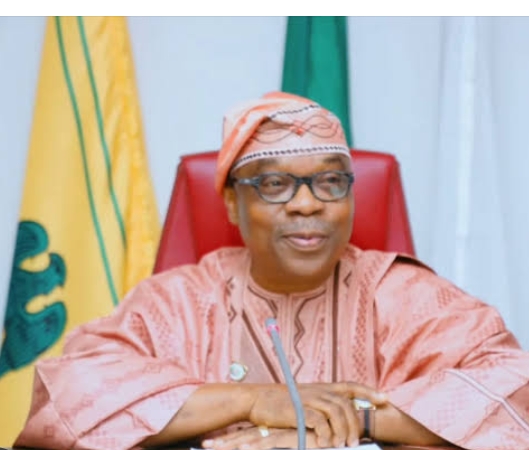
Speaking at the launch of Shadows of Power in Abuja, the Minister of State for Foreign Affairs, Ambassador Sola Enikanolaiye, articulated what many observers describe as the defining philosophy of Nigeria’s contemporary foreign policy: Nigeria First.
According to the minister, no nation can effectively project influence abroad while grappling with instability, disunity and economic weakness at home.
“You cannot have a dynamic and activist foreign policy if the home is weak, if the country is disunited, if there is no harmony in Nigeria. How can you go outside and be taken seriously?” he asked.
The statement marks what many see as a departure from Nigeria’s long-standing Afrocentric foreign policy orientation toward one driven primarily by national interest.
From Afrocentrism to National Interest
Ambassador Enikanolaiye explained that every diplomatic engagement must now directly serve Nigeria’s security, economic prosperity and strategic interests.
“Every foreign policy action we take must speak to Nigeria. We are locating Nigeria and Nigerians at the core of foreign policy preoccupations so that our national interest that advances our security, our defence and our economic prosperity are the core.”
Rather than advocating isolationism, the minister described the approach as strategic autonomy—aligning Nigeria’s international engagements strictly with its national priorities.
“Wherever the wind blows, that’s where we go in pursuit of Nigeria’s interest,” he stated.
The Niger Coup as a Turning Point
The July 2023 military coup in neighbouring Niger is widely viewed as the first major test of this evolving doctrine.
In previous decades, Nigeria frequently led military interventions through ECOWAS to restore constitutional order in neighbouring states. This time, however, President Bola Ahmed Tinubu’s administration opted for diplomacy, sanctions and sustained regional engagement instead of military intervention.
For critics, the restraint represented a departure from Nigeria’s traditional leadership role. Supporters argue it reflected a pragmatic recognition that domestic security challenges—including terrorism and banditry in parts of northern Nigeria—must take precedence over costly external military commitments.
As Enikanolaiye noted, Nigeria’s security and prosperity remain closely linked to those of its neighbours, but regional engagement must begin with safeguarding Nigeria itself.
Building Strength from Within
The “Nigeria First” philosophy extends beyond diplomacy into economic policy.
According to the author, the Tinubu administration’s reforms—including the removal of fuel subsidies, foreign exchange reforms and fiscal restructuring—have significantly improved public finances.
The article points to improvements in debt servicing, foreign reserves, increased allocations to states, stronger non-oil revenue generation and expanded tax reforms as indicators of a government seeking to rebuild Nigeria’s economic foundations before expanding its regional influence.
Supporters contend that these reforms are designed to provide the financial capacity necessary for sustainable development while positioning Nigeria for greater global competitiveness.
Domestic Development as Foreign Policy
The doctrine also embraces industrialisation and local value addition.
Policies encouraging government institutions to prioritise locally manufactured goods, requiring investors in Nigeria’s solid minerals sector to establish processing facilities within the country, and expanding digital infrastructure through a nationwide fibre optic rollout are presented as examples of putting national interests first.
The author argues that such initiatives are intended to create jobs, strengthen domestic industries and reduce Nigeria’s dependence on imports.
Investing in People
Beyond economic reforms, the article highlights several social programmes introduced under the Renewed Hope Agenda.
These include expanded student loan access through NELFUND, revitalisation of primary healthcare centres, free Caesarean section services for pregnant women and cash transfer programmes targeting vulnerable households.
According to the author, these interventions demonstrate that national development remains central to the administration’s policy direction.
Security Before Global Leadership
Another pillar of the Nigeria First doctrine is national security.
The article notes measures such as the classification of unauthorised armed groups as terrorist organisations, redeployment of police personnel to improve rural security and the settlement of outstanding military insurance obligations aimed at boosting troop morale.
Enikanolaiye argues that diplomacy and defence must operate as complementary instruments in safeguarding Nigeria’s future.
Strategic Partnerships Without Dependence
While Nigeria continues to strengthen relationships with Western partners, the minister emphasised that the country remains committed to maintaining productive ties with China, Russia, Turkey, Saudi Arabia, Brazil and other strategic partners.
The emphasis, he explained, is no longer ideological alignment but practical cooperation based on Nigeria’s interests.
A New Direction for Nigeria
Although Ambassador Enikanolaiye acknowledged that Nigeria’s international visibility may have declined compared to the liberation era under previous administrations, he maintained that the current focus is deliberate.
The immediate priority, he suggested, is rebuilding Nigeria’s economic, institutional and security foundations before assuming broader continental leadership.
For the author, this represents a fundamental shift in Nigeria’s diplomatic philosophy.
Rather than abandoning Africa, Nigeria is repositioning itself to lead from a position of greater strength and resilience.
As history has shown with countries such as Singapore and several Gulf states, sustainable international influence is often built upon domestic stability and economic transformation.
Whether this “Nigeria First” doctrine ultimately reshapes Nigeria’s role on the continent remains to be seen. However, Ambassador Enikanolaiye’s remarks suggest that Abuja now believes the path to continental leadership begins not beyond its borders, but within them.
By Dr. Onibiyo Ezekiel
Research Fellow, APIS, Abuja, and Public Policy Analyst.