
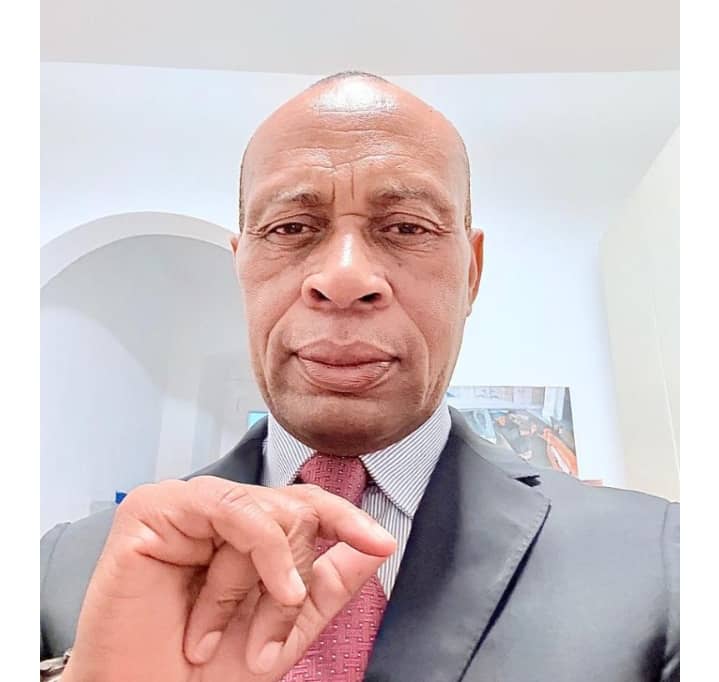
Nigeria’s struggle with insecurity and religious violence persists despite military interventions and policy reforms. According to Francis Onabi, the crisis stems from a deeper issue – the country’s spiritual and cultural identity dislocation.
Before colonial rule, Nigeria’s ethnic groups believed in a Supreme Being, with structured spiritual systems guiding moral behavior, conflict resolution, and unity. These indigenous beliefs were delegitimized by British colonizers, who introduced Christianity and Islam, bringing foreign conflicts.
Today’s Christian-Muslim tensions reflect imported ideological battles, while indigenous African religions are erased from public life. This erasure has led to identity manipulation, extremism, and cultural inferiority.
The conflict is a result of abandoning traditional systems for external ones without cultural integration. Nigeria lost its traditional methods of dialogue and communal justice, leading to sectarian violence.
Solving insecurity requires restoring cultural equilibrium by acknowledging indigenous religions. This isn’t a call to reject Christianity or Islam, but to recognize African spirituality as part of Nigeria’s identity.
Including traditional belief systems in national conversations on peacebuilding, correcting colonial distortions, and celebrating indigenous festivals can help restore balance.
Countries like Japan, India, and China preserved their ancestral beliefs despite colonial pressure. Nigeria must do the same to find lasting peace.
The insecurity crisis is not just political, but spiritual and cultural. Reconnecting with Nigeria’s roots is key to moving forward.
By accepting and embracing its true identity, Nigeria can build unity and find peace, ending the cycle of violence and insecurity.