
Nkechi Ewa-Opkara
Following the global phase-out of USAID programs, civil society organizations in Ebonyi State have warned that the state can no longer rely on foreign aid to fund critical social services, insisting that only strong domestic financing will sustain health and education.
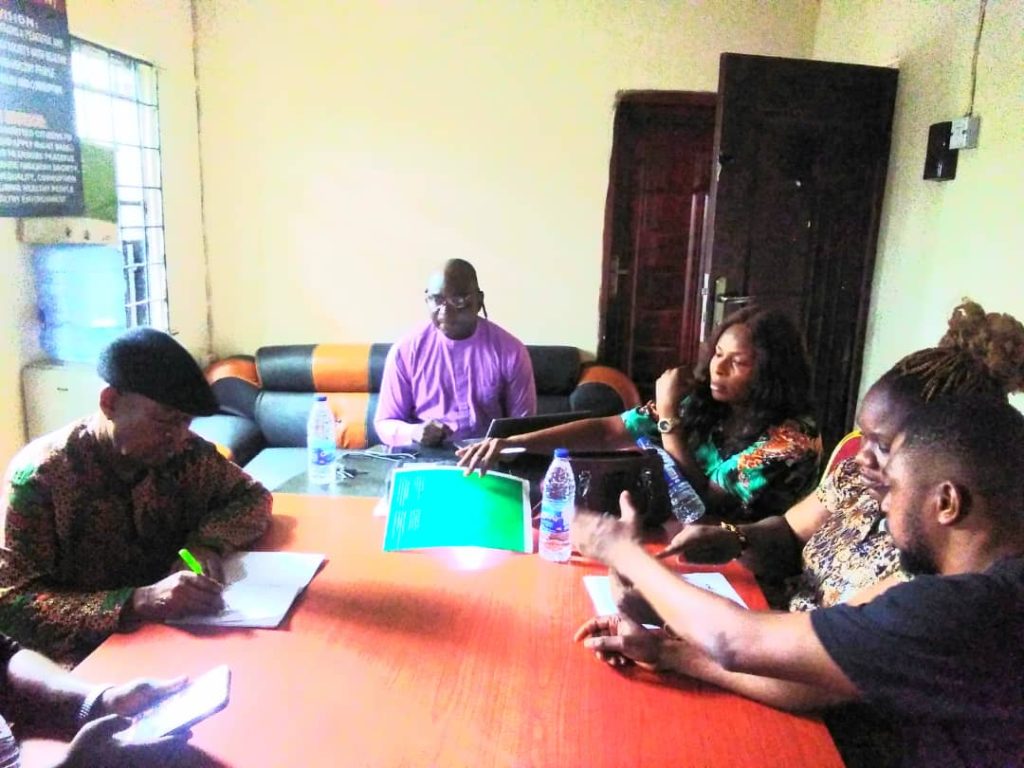
The warning came from Green-the-Red Social Sector Cluster, a coalition coordinated by the Development and Integrity Intervention Goal (DIG) Foundation, during a press briefing on Monday in Abakaliki. The coalition presented its findings on Ebonyi’s second quarter 2025 budget performance for the social sector.
Executive Director of DIG Foundation, Oliver Chima Ajah, said the new funding reality demands urgent reforms in budget releases. He stressed that unless the government commits more resources to health and education, the state risks reversing gains already made in service delivery.
“As USAID and other global donor programs exit, Ebonyi State must strengthen its domestic resource mobilization and show higher commitment to funding social sectors. Unfortunately, our review shows poor capital budget performance so far in 2025,” Ajah stated.
According to the report, the Ministry of Health recorded less than one percent budget release in the first half of the year, while the Primary Healthcare Development Agency had only 1.2 percent. Other health-related agencies got nothing, except the Health Insurance Agency which achieved 52.3 percent. Education performed marginally better at 6.7 percent.
Ajah described the figures as a sharp contrast to the administration’s strong performance in late 2023, warning that such a downward trend would cripple health and education institutions that citizens depend on.
While commending the state government for employing new health personnel, the CSOs noted that manpower gaps, decaying infrastructure, and high out-of-pocket costs for poor families remained pressing challenges. They insisted that underfunding would only worsen the situation.
The coalition recommended that government should release at least 50 percent of the approved capital budget for the social sector, ensure quarterly disbursement of funds, and hold MDAs accountable for timely retirement of funds already released.
It further appealed to the media to intensify public reporting on the issue, to keep pressure on government to prioritize social sector spending in line with the “People’s Charter of Needs” policy.
The Green-the-Red Social Sector Cluster, originally supported by USAID through the Palladium SCALE project, has continued its advocacy through DIG Foundation and seven local partners, pushing for sustained financing in the absence of foreign aid.