
By Joy Omagha Idam, Biu
In every election cycle, politicians make promises, communities negotiate loyalty, and leaders attempt to connect governance with the everyday realities of the people. But sometimes, amid the noise of campaigns and political calculations, one issue rises above partisan interests and touches directly on survival, development, and the dignity of a people. This is What the Golden Member Representing Biu, Bayo, Kwaya Kusar and Shani Federal Constituency, Hon Mukhtar Betara Aliyu has done.
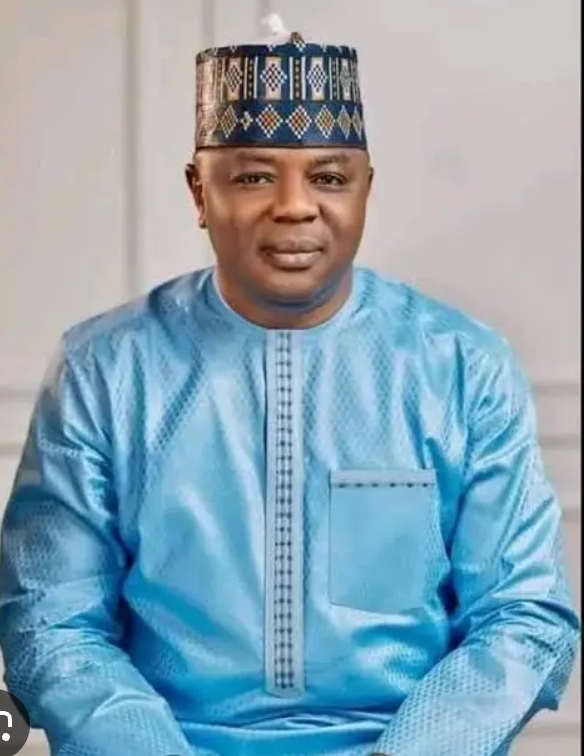
For the people of Southern Borno, particularly residents of Biu, Bayo, Kwaya Kusar and Shani Federal Constituency, that issue is the reconstruction of the Gombe-Biu Highway. As they already enjoy inter-City road networks built by Hon Mukhtar Betara Aliyu. But pray for a day th Federal Government will fix that road.
It was against this backdrop that the Chairman of the House of Representatives Committee on the Federal Capital Territory (FCT), Hon. Muktar Aliyu Betara, made a passionate appeal to the Federal Government to urgently prioritise the road project, describing it as central to economic growth, social integration, and regional development.
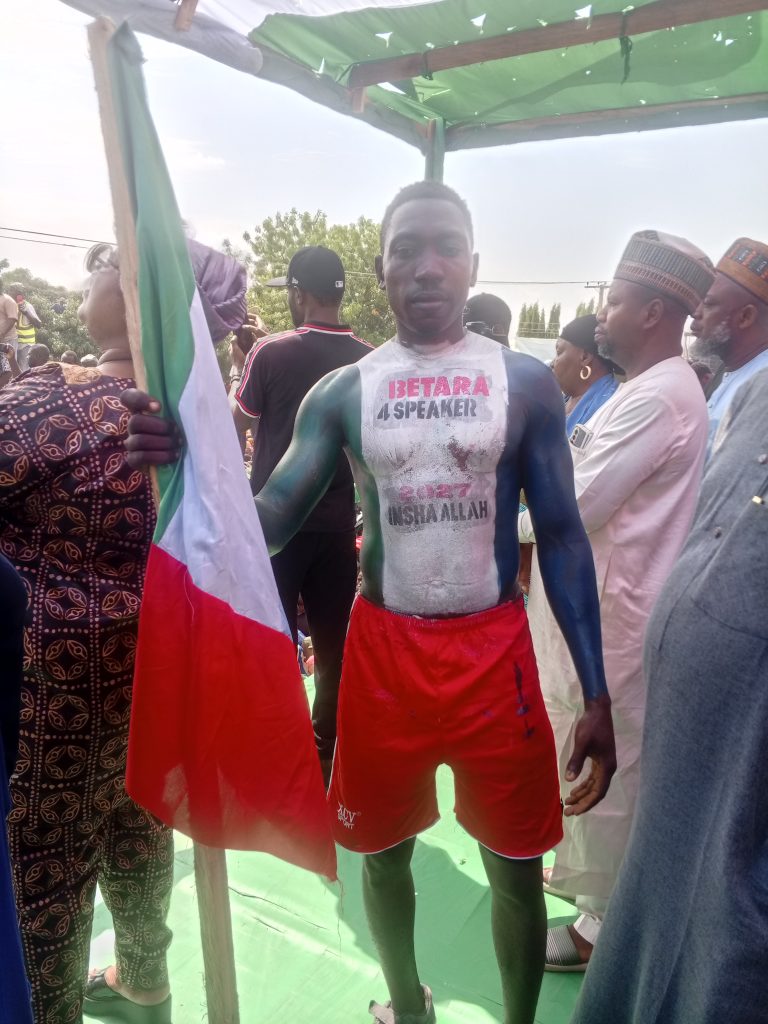
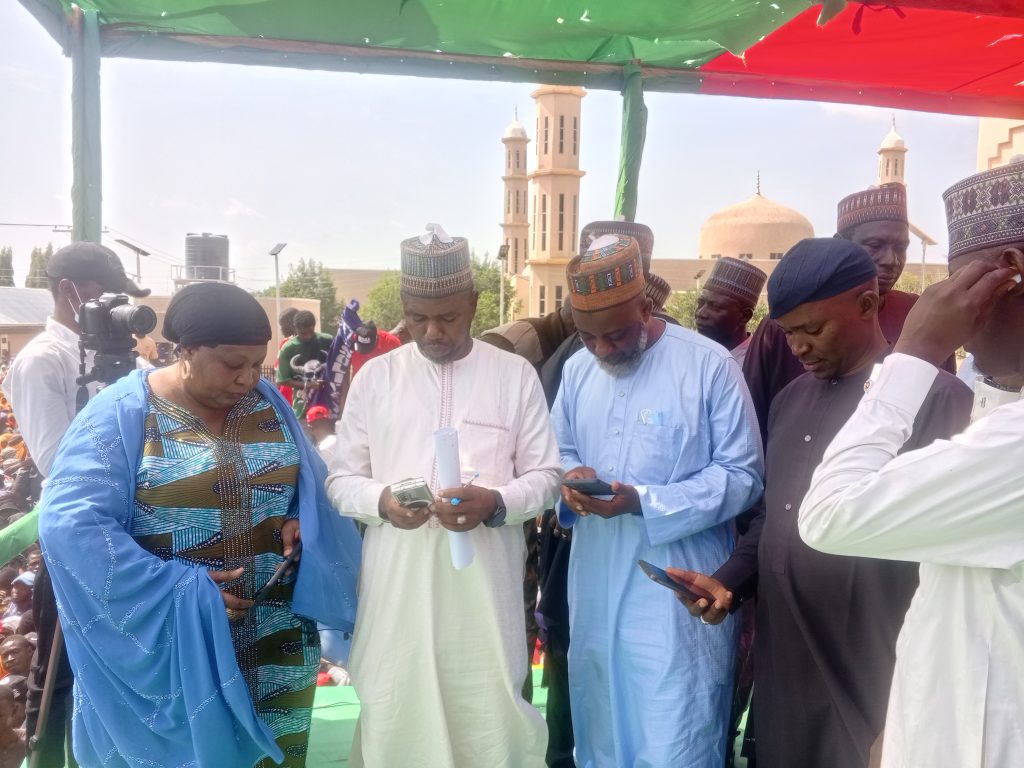
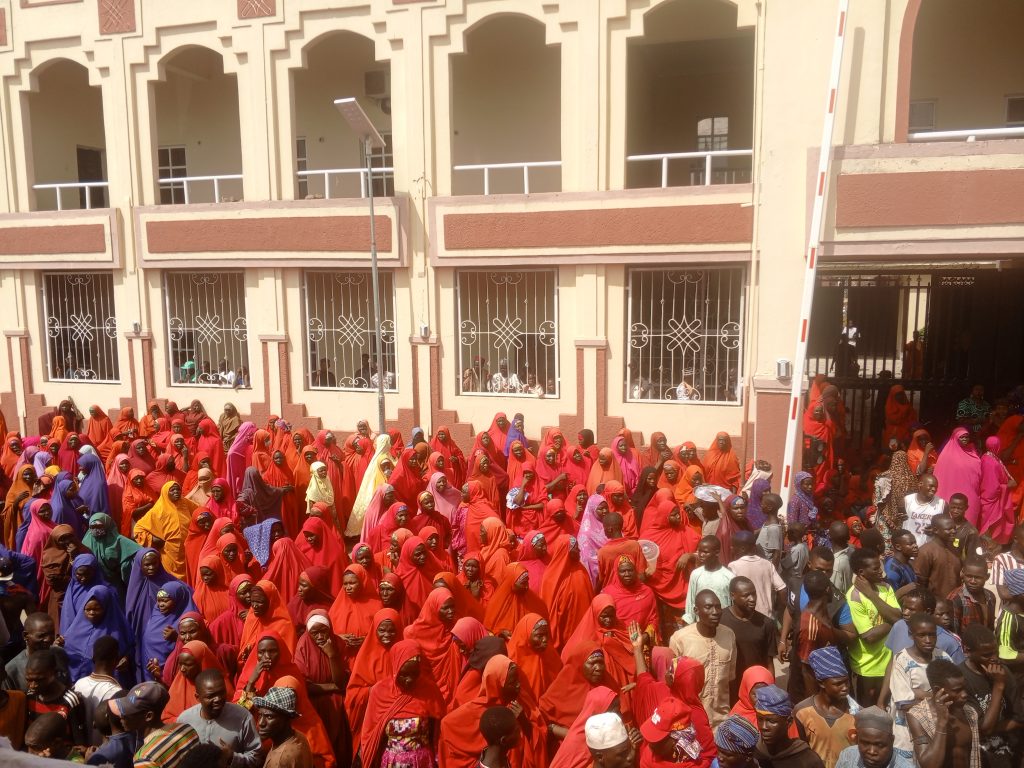
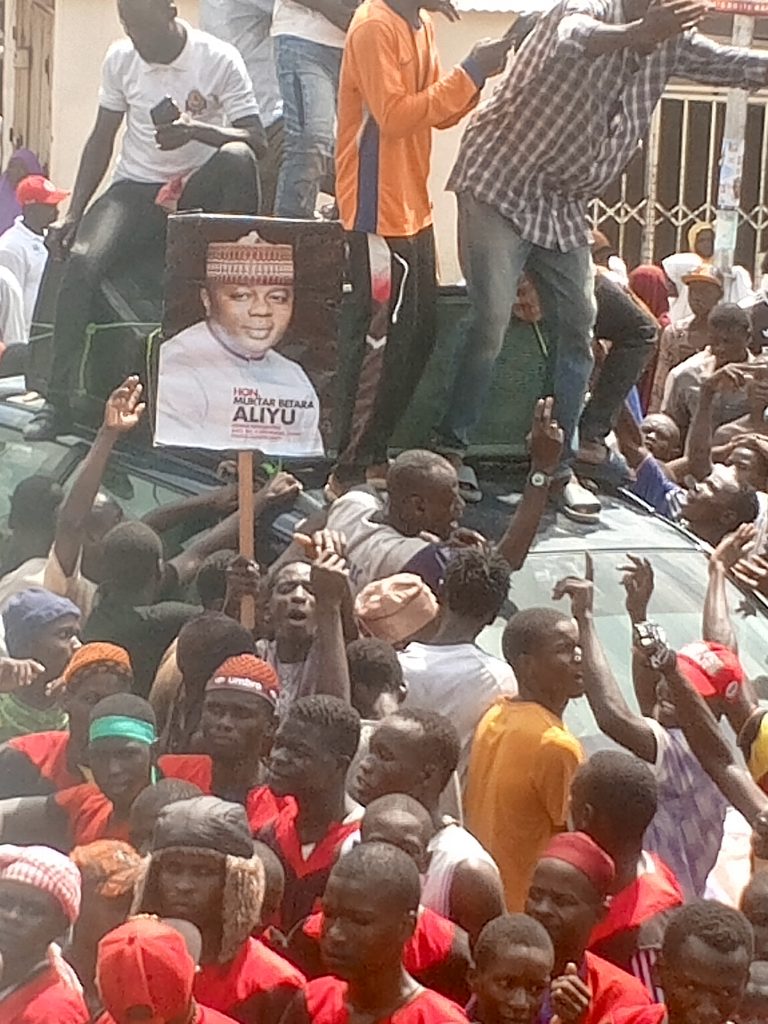
Speaking during the Ascent Programme in Biu before a mammoth crowd of supporters and residents, Betara linked the future prosperity of the region to the rehabilitation of the highway, which has for years remained a major source of concern to commuters, traders, transporters, farmers, and travellers.

The Gombe-Biu road is more than a federal highway. It is a lifeline that connects communities, markets, schools, hospitals, and economic opportunities. For decades, the deplorable condition of the road has imposed hardship on the people, slowed commercial activities, increased transportation costs, and endangered lives.
From farmers transporting produce to urban markets, to students and civil servants navigating dangerous portions of the route, the impact of the failed road infrastructure continues to affect nearly every aspect of life in the region.
Betara’s intervention therefore resonates beyond politics. It reflects a longstanding frustration among residents who believe that despite the strategic importance of the road, federal attention has remained inadequate.
The lawmaker’s message was also strategic in the context of the 2027 general elections. While assuring President Bola Ahmed Tinubu of overwhelming support from the people of Biu and surrounding communities, Betara made it clear that infrastructure development remains a priority demand of the people.
His statement reflected the growing political awareness among citizens who increasingly seek visible development in exchange for political loyalty.
Observers believe the Gombe-Biu Highway represents one of the most critical infrastructure gaps in North-East Nigeria. The route serves not only Borno communities but also supports movement across neighbouring states, making it vital for trade, security operations, agriculture, and regional integration.
Years of insecurity in the North-East have already weakened economic activities in many communities. Poor road infrastructure further compounds these challenges by limiting access to markets and slowing humanitarian and development interventions.
For Betara, however, infrastructure advocacy is closely tied to his broader political philosophy of visible representation and constituency-driven leadership.
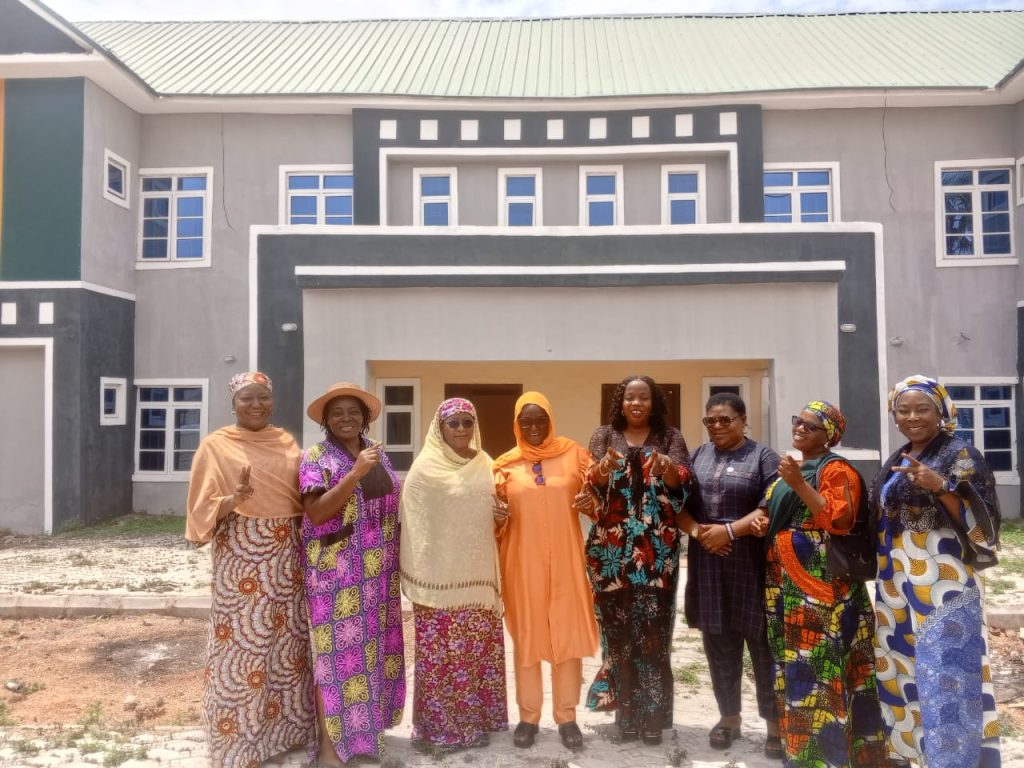
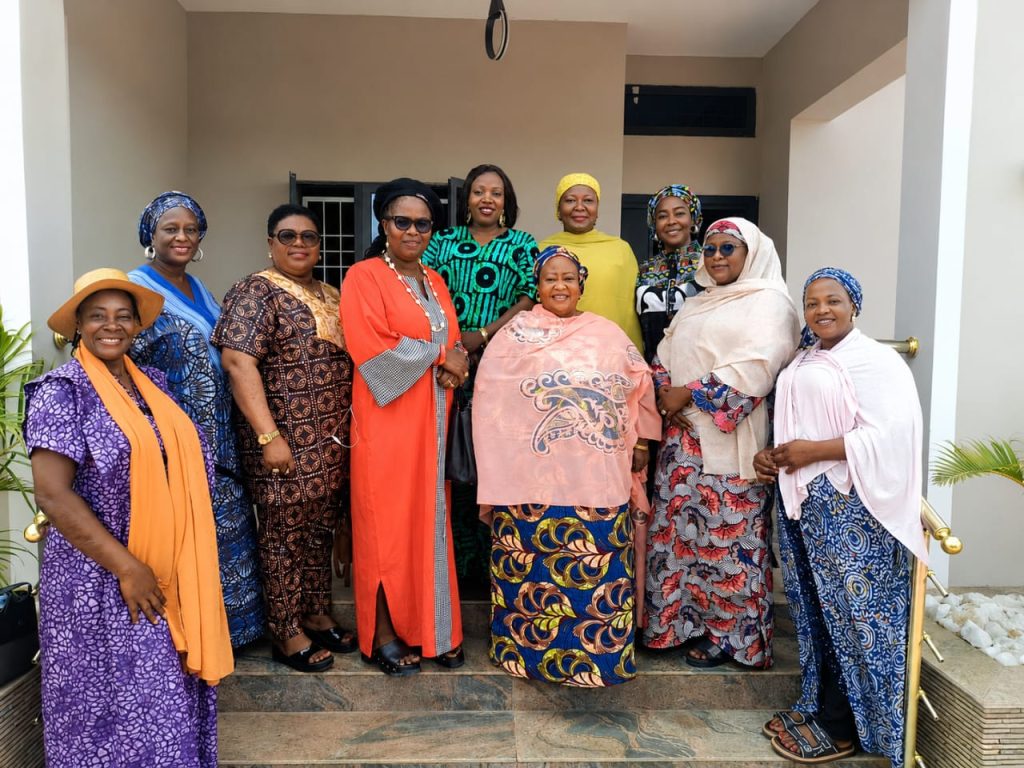
During an interaction with members of the Nigeria Association of Women Journalists (NAWOJ) who visited his constituency on a media tour, the lawmaker reflected on his journey through different strategic committees in the House of Representatives.
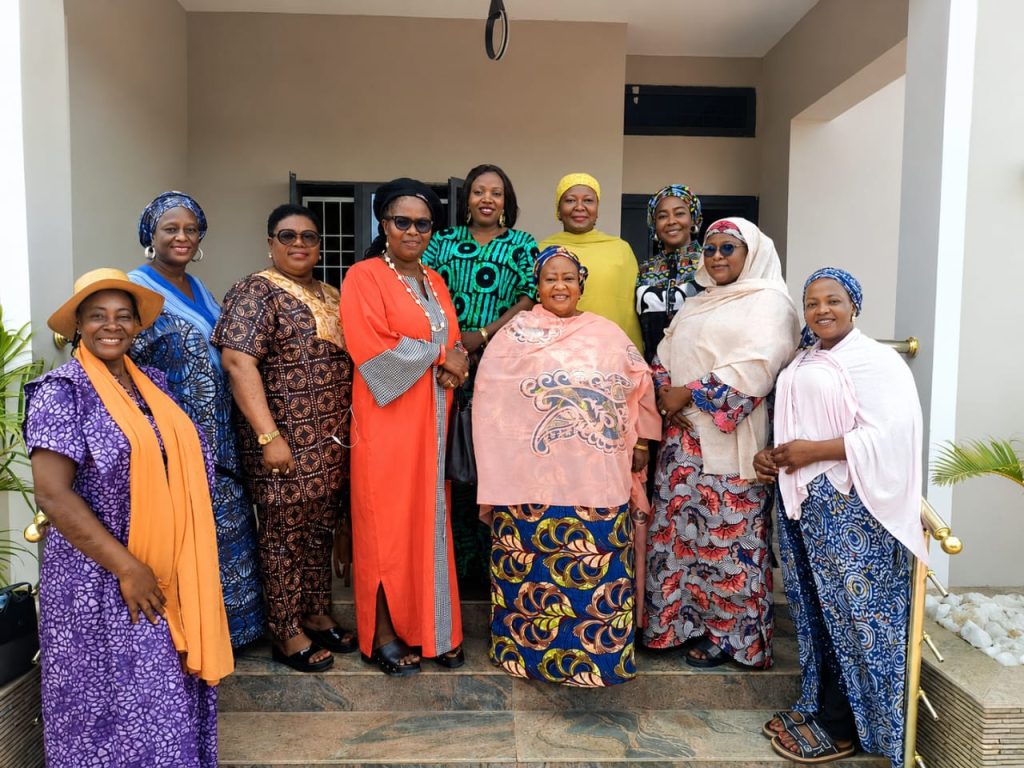
According to him, his legislative growth over the years gave him the leverage and experience to attract meaningful projects and transform his constituency.
From serving in a sub-committee during his first tenure to becoming Chairman of the House Committee on Army, then Defence, later Appropriation, and now the FCT Committee, Betara noted that every stage of his political career was intentionally used to create opportunities for development back home.
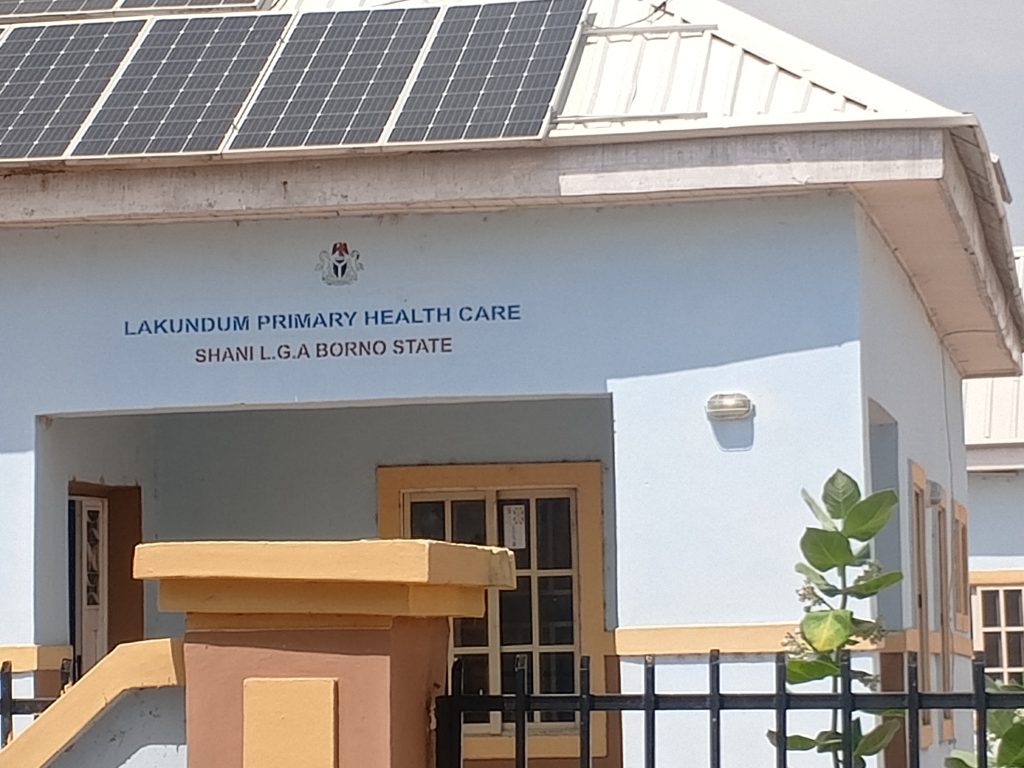
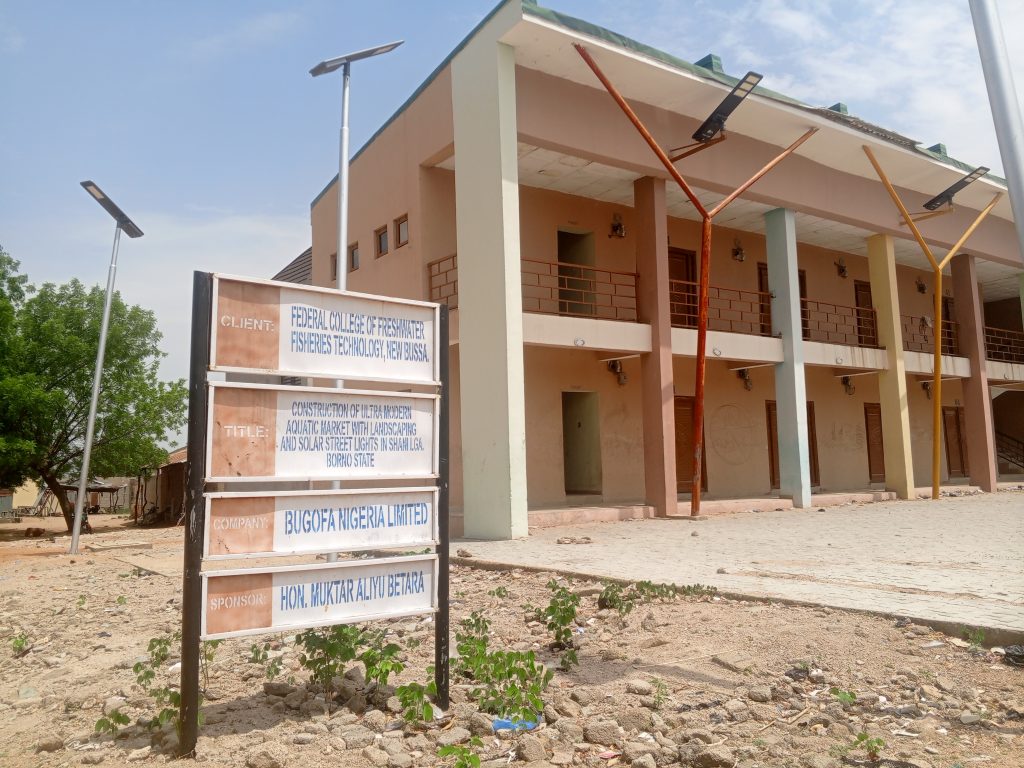
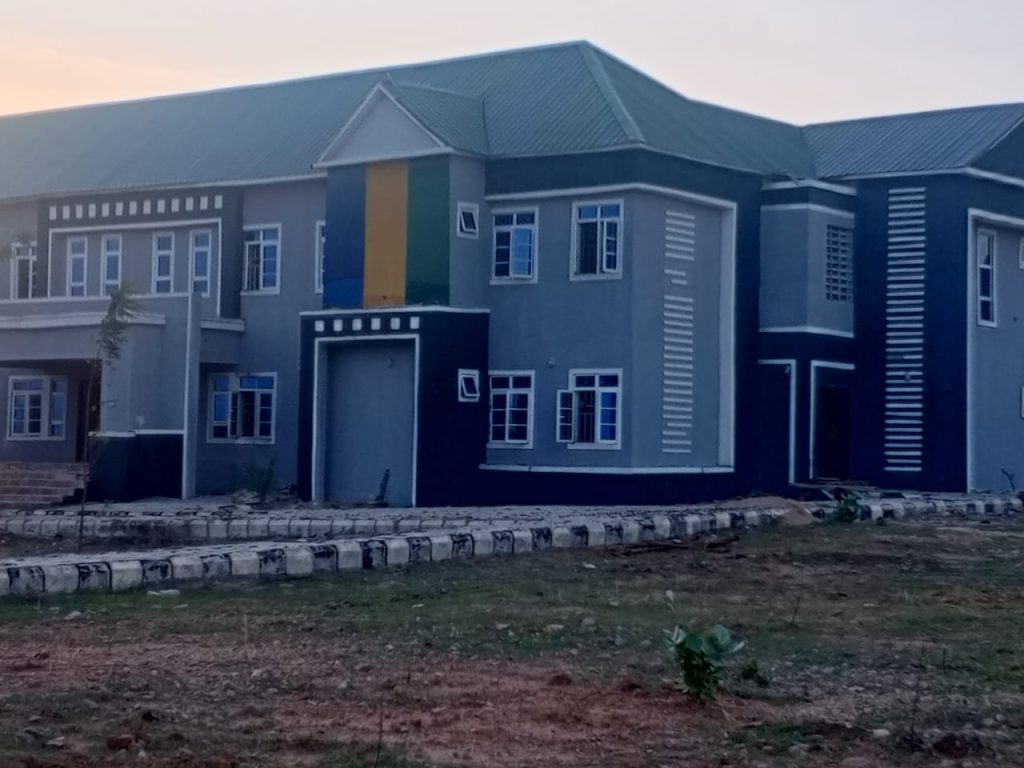
Indeed, across Biu and neighbouring communities, many residents point to projects in education, healthcare, power supply, youth empowerment, sports development, agriculture, and women support initiatives as evidence of his influence and legislative reach.
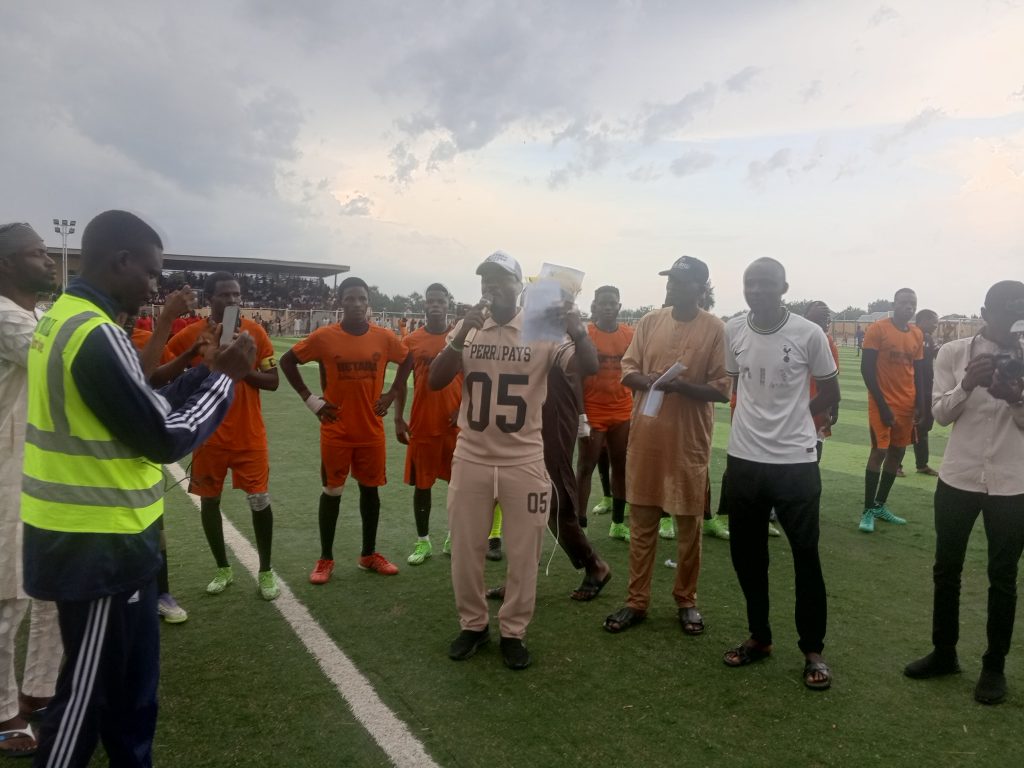
Particularly noteworthy is his emphasis on youth engagement through sports and empowerment initiatives, a strategy many local leaders describe as essential in addressing unemployment, crime, and youth restiveness.
Betara’s remarks on the significance of the House Committee on Appropriation also drew attention to the realities of power and influence within Nigeria’s legislative system.
By declaring that any lawmaker who occupies the position of Appropriation Chairman without attracting projects to his constituency should be questioned by the people, he indirectly challenged public office holders to justify their access to power through tangible development.
The statement reflects a growing demand for accountability in governance, especially at a time when citizens increasingly expect elected representatives to deliver measurable results.
In many ways, Betara’s political narrative appears built around the idea that leadership must be visible, practical, and directly beneficial to ordinary people.
As conversations around the 2027 elections gradually intensify, infrastructure projects such as the Gombe-Biu road are likely to remain central to political negotiations between communities and leaders.
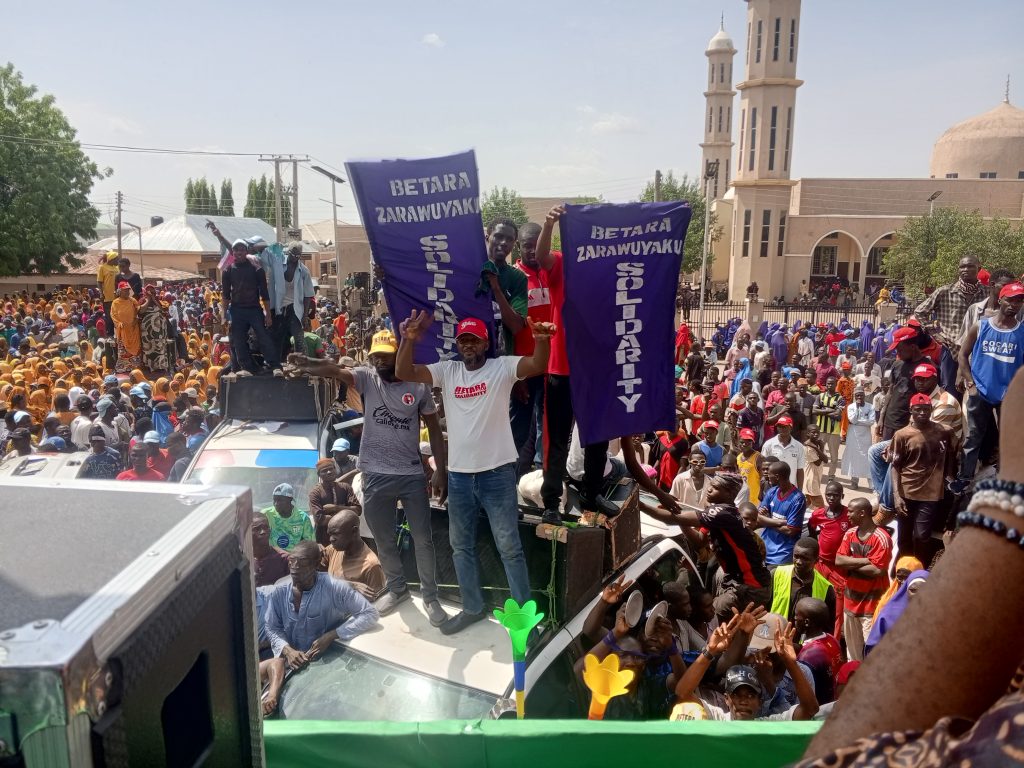
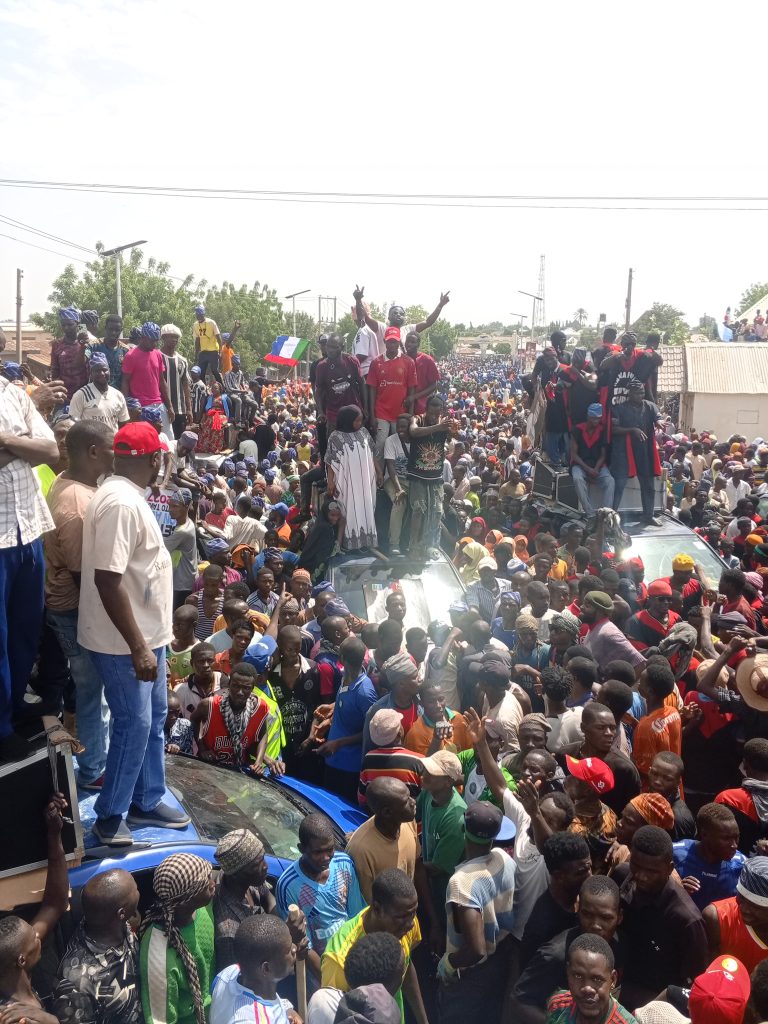
For residents of Southern Borno, however, the demand is simple: safe roads, economic opportunities, and a government presence that can be felt beyond campaign periods.
Whether the Federal Government responds swiftly to the call may ultimately shape not just transportation and commerce in the region, but also the political mood of thousands of voters who see the road as a symbol of inclusion, development, and national attention.
For now, Betara has amplified the voice of his people on one of their most pressing needs — a road that many believe could unlock the economic potential of Southern Borno and restore confidence in the dividends of democracy.
Weekenders magazine management and editorial staff wish him landslide victory at the polls and pledge to always help in amplifying all his success stories to the world.