
By Nkechinyere Ewa
The Ebonyi State Government has set a target of vaccinating 1.6 million children against measles and rubella as it prepares to roll out the second phase of the Measles–Rubella (MR) vaccination campaign scheduled for February 4 to 13, 2026.
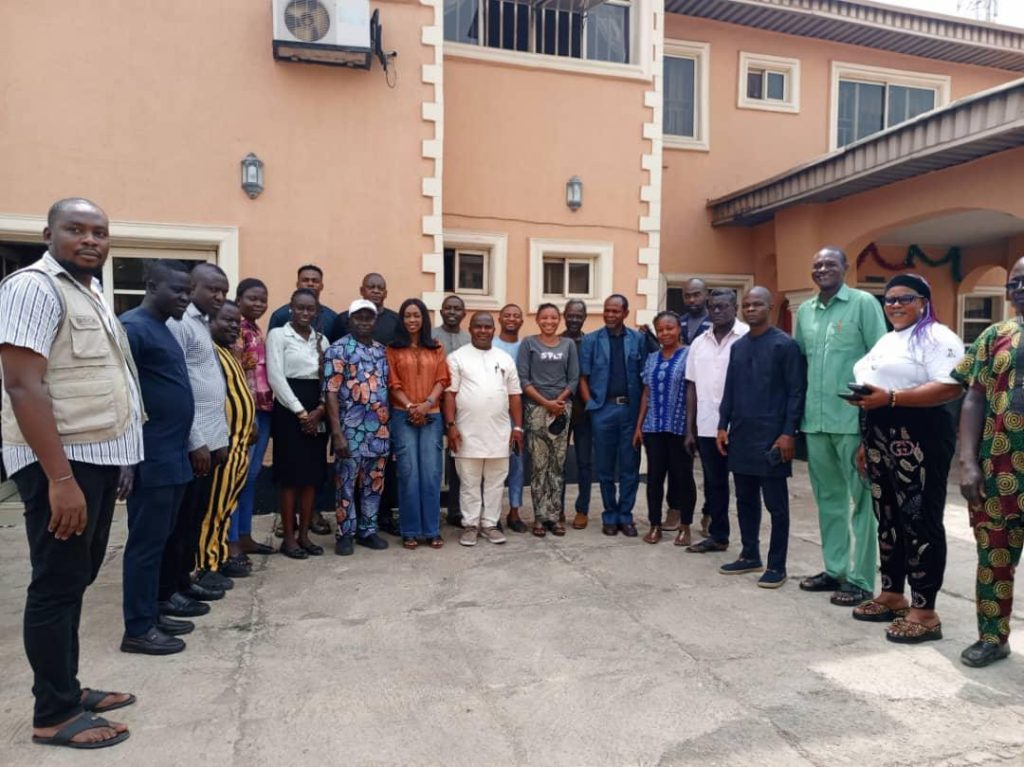
The Ebonyi State Primary Healthcare Development Agency (EBSPHCDA), in partnership with the United Nations Children’s Fund (UNICEF) and the Johns Hopkins International Vaccine Access Centre (IVAC), disclosed this during a media sensitisation meeting held in Abakaliki, the state capital.
The campaign is aimed at ensuring that all children aged nine months to 14 years across the state are immunised against the two highly contagious viral diseases.
Speaking at the meeting, the Executive Secretary of EBSPHCDA, Dr. Emeka Phillip Ovuaba, described journalists as critical stakeholders in the success of the exercise, stressing that accurate information dissemination would help counter misinformation and improve public confidence in immunisation.
“Information is power, and journalists are custodians of information dissemination. I want you to tell the people of Ebonyi State that phase two of the measles and rubella vaccination campaign will run from February 4 to 13, 2026,” Dr. Ovuaba said.
He explained that measles is a highly contagious and potentially deadly disease that spreads easily through coughing, sneezing or close contact, while rubella—also known as German measles—is a contagious viral infection that often presents in a mild form but carries serious risks, especially for pregnant women.
Dr. Ovuaba appealed to the media to intensify public enlightenment on the importance of completing routine immunisation schedules and participating fully in vaccination campaigns, noting that collective effort was required to protect children and communities.
Also speaking, UNICEF Health Consultant, Mr. Frank Nwodika, warned that rubella infection during pregnancy could be transmitted from mother to unborn child, resulting in Congenital Rubella Syndrome (CRS).
“CRS can cause serious birth defects such as blindness, deafness, brain damage and heart defects. Exposure to rubella during pregnancy can lead to lifelong disabilities for the child,” he said.
The State Technical Assistant of IVAC at Johns Hopkins urged parents and caregivers to take advantage of the campaign by bringing their children and wards to designated vaccination centres across the state.
Similarly, the State Health Educator, Prince Benson Nwali, called on residents to actively participate in the second phase of the campaign, emphasising that the measles–rubella vaccine is safe, effective and widely used globally.
He noted that the combined vaccine significantly reduces the incidence of both diseases and plays a crucial role in preventing congenital rubella syndrome, thereby safeguarding the health of future generations in Ebonyi State.