
By Joy Omagha Idam
The Minister of Foreign Affairs, Amb. Yusuf Maitama Tuggar, has emphasized the need for a comprehensive Early Warning and Early Response (EWER) system to address Nigeria’s peace and security challenges.
Speaking at the Engagement Session on “Strengthening and Capacity Building of the National Early Warning Response Group (EWRG)”, Tuggar, who was represented by Kimiebi Imomotimi Ebienfa, Spokesperson of the Ministry highlighted the country’s efforts to confront insecurity, including banditry, terrorism, and transnational organised crime.
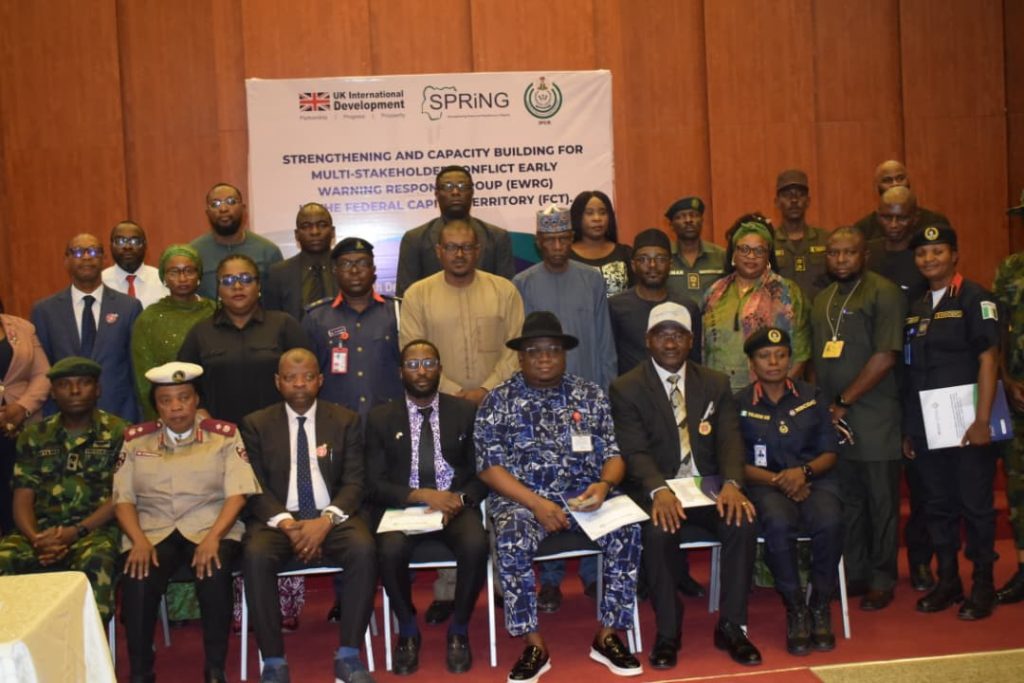
The minister reaffirmed Nigeria’s commitment to enhancing collaboration and improving early warning reporting to ensure peaceful coexistence, security, and stability.
Session on “Strengthening and Capacity Building of the National Early Warning Response Group (EWRG)”, held at the Institute of Peace and Conflict Resolution Conference Hall, Abuja, on Wednesday, 17th December, 2025
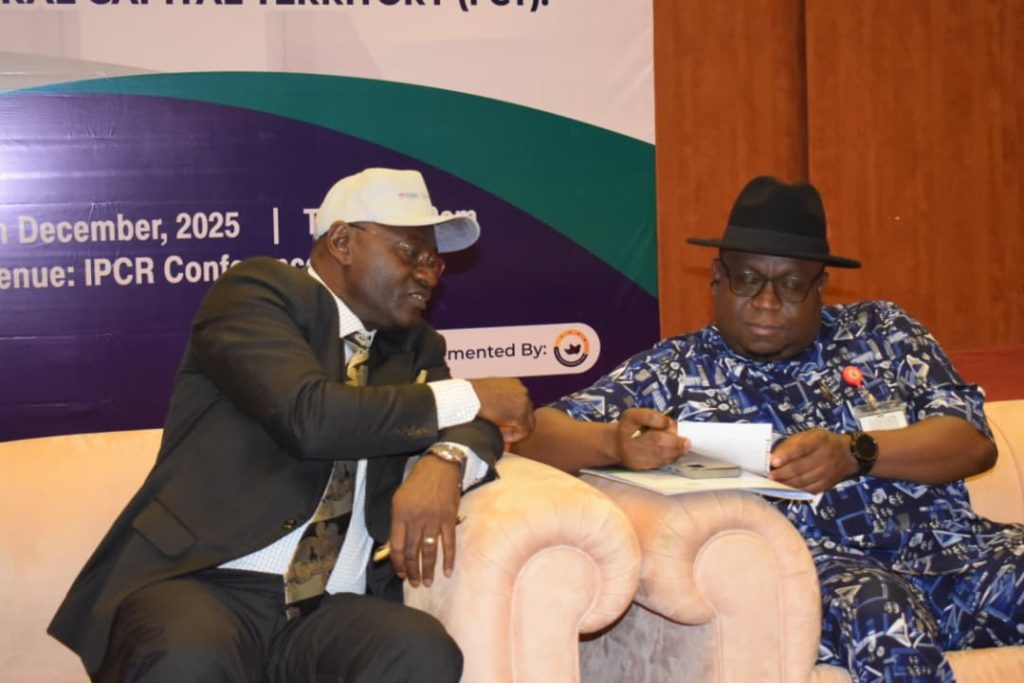
It is my pleasure and honour to deliver this address on the occasion of the Capacity Building Engagement Session holding here in Abuja, the capital city of our nation. This engagement session is an initiative of one of the foremost institutes under my supervision, the Institute for Peace and Conflict Resolution (IPCR), in collaboration with Strengthening Peace and Resilience in Nigeria (SPRiNG) – a laudable project of the British Foreign, Commonwealth and Development Office (FCDO).
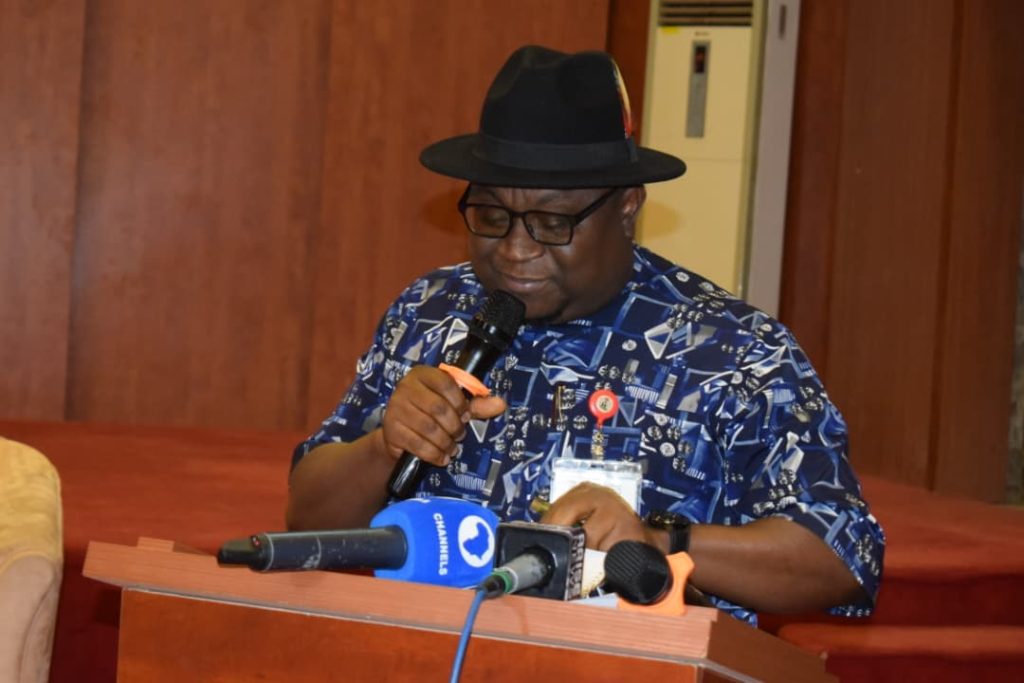
The partnership reflects not only the strength of our bilateral cooperation with the FCDO but also foresight in deepening engagement and collaboration among members of the National Early Warning Response Group (EWRG) present here today, towards building an effective Early Warning and Early Response (EWER) system.
This initiative, without a doubt, demonstrates your dedication and commitment to fulfilling your mandate, particularly in preventing conflict, building resilience, enhancing security, promoting regional cooperation, and ensuring socio-economic development in Nigeria and across Africa.
Your Excellencies, Ladies and Gentlemen, We must acknowledge the imperative of a comprehensive, data-driven, and effective Early Warning and Early Response (EWER) system in addressing the multitude of peace and security challenges confronting the world.
The global community has, over time, grappled with violent conflicts and insecurity, including political instability, banditry, terrorism, violent extremism, and transnational organised crime. The major drivers of these challenges include climate change and the proliferation of Small Arms and Light Weapons (SALW), which continue to undermine livelihoods and socio-economic development, particularly in the Sahel and across Africa.
Nigeria has continually evolved strategic pathways to confront these challenges and address threats to peace and security both within our nation and across Africa.
These interventions are in line with the tenets of the 4-D Foreign Policy Doctrine of President Bola Tinubu’s administration, which prioritises development, diaspora, demography and the pursuit of democratic consolidation, regional stability, and global peace.
Our intervention in the recent coup in the Benin Republic underscores Nigeria’s proactiveness and effectiveness in responding to political crises and insecurity across the continent.
The convening of today’s Capacity Building Engagement Session further accentuates Nigeria’s resolve to strengthen its Conflict Early Warning and Early Response System for peaceful coexistence, security, and stability. In essence, we are committed to enhancing collaboration, improving early warning reporting, and strengthening corresponding responses from stakeholders across the peace and security ecosystem in Nigeria and Africa.
I am confident that we will achieve our goals through this strategic engagement, particularly given the diverse stakeholders present here today. These stakeholders, drawn from across the peace and security spectrum, will share insights and experiences as part of the long-term network of the National Conflict Early Warning and Early Response System (NCEWERS) of the IPCR. Indeed, today’s engagement will serve as a pathway to holistically preventing violent conflicts, fostering unity and peaceful coexistence, enhancing justice and inclusivity, improving food security, and ensuring economic growth and development. This intervention aligns with the overall objectives of the Renewed Hope Agenda of Mr. President for our dear nation.
On this note, I wish to congratulate the Director-General of the Institute for Peace and Conflict Resolution and his counterpart, the Team Lead of SPRiNG under the British Foreign, Commonwealth and Development Office, on the successful convening of this Capacity Building Engagement Session.
I thank you all for your attention and wish you fruitful deliberations.