
By Our Correspondent in Abuja (Opinion)
The President of the Society for the Advancement of Democracy (SAD), Prince Orji Nwafor-Orizu, has expressed support for the planned meeting of opposition political leaders scheduled for August 18, 2026, in Ibadan, Oyo State.
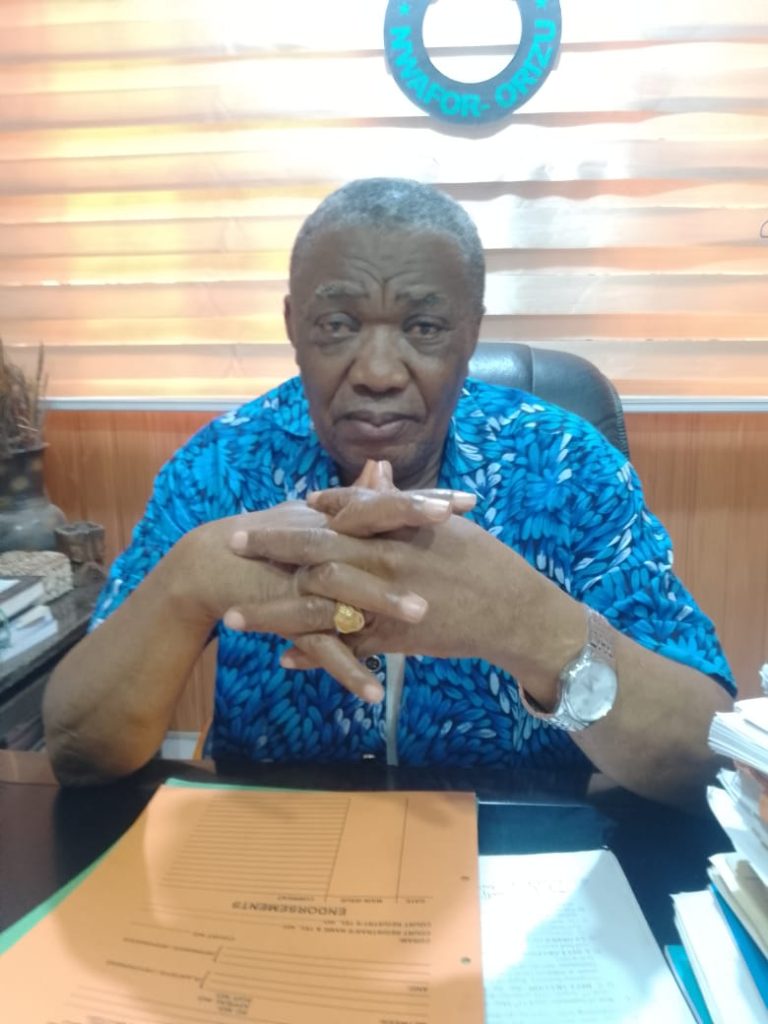
Nwafor-Orizu said the proposed gathering, which is expected to provide an opportunity for political leaders to discuss possible cooperation ahead of the 2027 general elections, is consistent with democratic practice and should be viewed as part of the normal political process.
Among those reported to be associated with the planned political engagement are former Labour Party presidential candidate, Mr. Peter Obi; former Vice President Atiku Abubakar; former Kano State Governor Rabiu Kwankwaso; Oyo State Governor Seyi Makinde; and other political stakeholders.
Speaking at a press briefing in Abuja, the SAD President said a strong and constructive opposition is an important feature of democracy. He cited democratic systems in countries such as the United States and the United Kingdom, where opposition parties regularly scrutinise government policies and present alternative programmes.
“We are aware that opposition is part of democracy. But in Nigeria, we are now looking at opposition as enemy. It is wrong,” Nwafor-Orizu stated.
He also referred to Nigeria’s First Republic, when Chief Obafemi Awolowo served as Leader of the Opposition, noting that opposition parties have historically played a role in scrutinising government and offering alternative policy positions.
“In Great Britain, the opposition criticizes and offers alternatives. That helps government,” he said.
Nwafor-Orizu commended Peter Obi’s public engagement on national issues, describing him as a politician who, in his view, has frequently focused on policy and governance matters.
The SAD President, however, cautioned that any opposition alliance should go beyond the objective of defeating an incumbent government. He said political leaders seeking cooperation should present Nigerians with credible programmes, policies and a clear alternative vision for the country.
He also urged opposition politicians to carefully assess their electoral support across Nigeria’s various geopolitical zones before deciding on the structure of any alliance.
On the question of zoning, Nwafor-Orizu acknowledged that both the North and South have arguments regarding the issue. He nevertheless advised political leaders to engage in consultations and seek consensus on a candidate capable of building broad national support.
He added that political compromises, including stepping aside in favour of a consensus candidate, could become necessary if an alliance is to achieve its objectives.
According to him, opposition parties and political groups must prioritise national issues, policy alternatives and constructive engagement rather than personal differences.
Nwafor-Orizu concluded that democracy benefits from an organised and responsible opposition capable of scrutinising government policies while presenting credible alternatives to the electorate.
He therefore urged participants at the proposed Ibadan meeting to focus on issues, policies, unity and the national interest as they consider their political options ahead of the 2027 elections.