
NGO says decentralised policing could strengthen intelligence gathering, community trust and response to insecurity
By Joy Omagha Idam
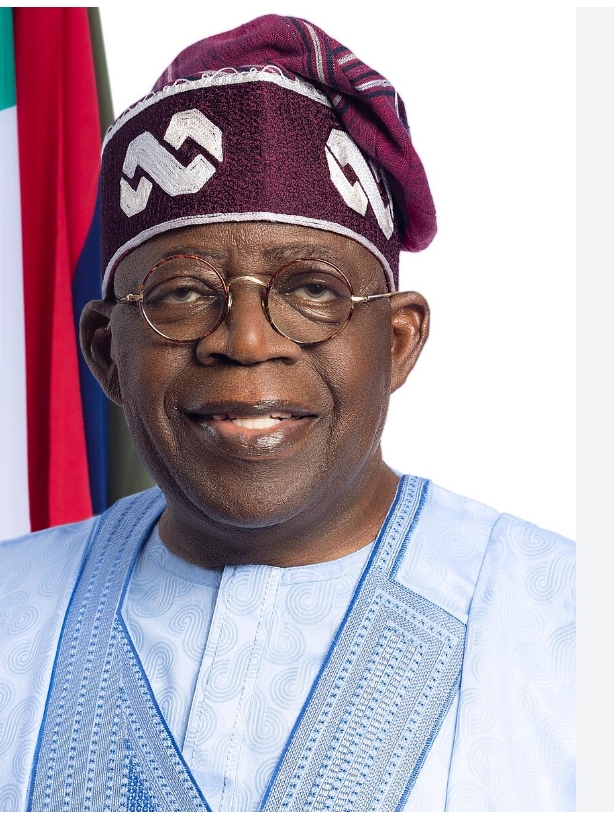
Nigeria’s search for more effective solutions to its worsening security challenges has received fresh backing from the Anti-Kidnapping, Human Trafficking, Child Abuse and Drug Abuse (AKH-TRACADA), which has thrown its weight behind President Bola Ahmed Tinubu’s proposed constitutional amendment to establish state police.
In a statement issued Tuesday in Abuja and signed by its Founder and National Coordinator, Primate Belonwu Ezeanyaeche, the organisation described the proposed state police system as a significant opportunity to strengthen Nigeria’s security architecture and improve public safety across the federation.
According to AKH-TRACADA, Nigeria’s complex security challenges require policing strategies capable of responding to the peculiar realities of individual communities and states.
The organisation argued that, if properly structured and operated within a clear constitutional and legal framework, state police could improve intelligence gathering, shorten emergency response times and promote closer cooperation between law enforcement agencies and the communities they serve.
A More Localised Approach to Security
For AKH-TRACADA, the argument for state police is largely rooted in the need to bring policing closer to the people.
The organisation noted that decentralising aspects of policing would give states greater capacity to respond to security threats peculiar to their environments, while allowing the Nigeria Police Force and other federal security institutions to retain their national responsibilities.
“A locally accountable police service has the potential to improve crime prevention, strengthen public trust, and promote more effective community policing,” the organisation stated.
This, it believes, could be particularly important in confronting crimes such as kidnapping, human trafficking, child abuse and drug-related offences, which often require timely intelligence and strong community cooperation.
Safeguards Against Political Interference
While endorsing the proposal, AKH-TRACADA cautioned that the success of state police would depend heavily on the strength of the safeguards established around it.
The organisation called for clear constitutional provisions, independent oversight mechanisms, professional recruitment and training standards, transparent funding arrangements and strong accountability measures.
It also stressed the importance of preventing political interference and abuse of police powers at the state level.
For the organisation, establishing state police without adequate checks and balances could undermine the very objectives the reform seeks to achieve.
Consequently, professionalism, human rights protection, institutional independence and accountability must remain central to the design of the proposed system.
Call for Broad National Consultation
AKH-TRACADA also described the state police proposal as an opportunity for constructive national dialogue.
It called for the involvement of the Federal Government, state governments, the National Assembly, civil society organisations, traditional institutions, security experts and ordinary citizens in shaping the framework.
Such consultation, the organisation maintained, would help ensure that the proposed system reflects Nigeria’s federal structure while protecting national unity and constitutional principles.
Beyond Security to Economic Development
According to AKH-TRACADA, the benefits of a properly designed state police system could extend beyond crime prevention.
The organisation believes improved security coordination and faster responses to threats could create a safer environment for businesses, investment and economic activity.
“A well-designed state police framework can complement existing federal institutions, improve coordination among security agencies, and contribute to a safer environment that supports economic growth, investment, and sustainable development,” it stated.
Tinubu’s Constitutional Amendment Proposal
President Tinubu’s proposal comes amid persistent calls for a fundamental review of Nigeria’s policing structure as the country continues to grapple with kidnapping, banditry, terrorism and other forms of insecurity.
The President recently transmitted an Executive Bill to the House of Representatives seeking an amendment to the Constitution to provide for the establishment of state police.
The proposed legislation, titled “Constitution of the Federal Republic of Nigeria (Alteration) (Police Bill) 2026,” seeks to provide the constitutional foundation for decentralised policing.
President Tinubu has urged lawmakers to expedite consideration of the proposal, describing decentralised policing as an important pillar of his administration’s broader security reform agenda.
A Reform That Requires Responsibility
For AKH-TRACADA, the debate should not simply be about whether Nigeria needs state police, but about how such a system can be designed to work effectively, professionally and in the best interest of citizens.
The organisation reaffirmed its support for reforms capable of strengthening Nigeria’s ability to protect lives and property, while emphasising that legal safeguards, effective oversight and professionalism must accompany the establishment of state police.
“With appropriate legal safeguards, adequate oversight, and a commitment to professionalism, the establishment of state police can become an important milestone in building a more secure and resilient nation,” the organisation concluded.
The endorsement adds another voice to the growing national conversation over the future of policing in Nigeria—a conversation that could ultimately reshape how security is delivered at both state and federal levels.