
By Titilope Abioje
There is a way Nigerians describe a man who has risen through politics without making enemies everywhere he goes. They call him a gentleman politician. In a political environment where ambition can sometimes come with bitterness, controversy and unnecessary confrontation, the description stands out.
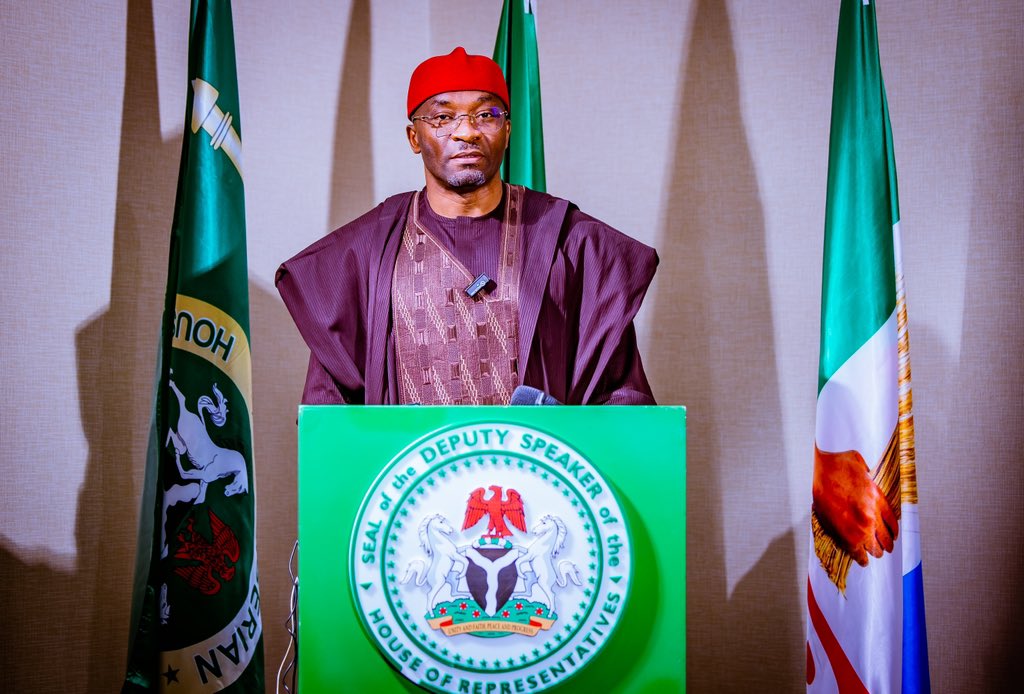
For Rt Hon Benjamin Okezie Kalu, the description is not just a title people attach to him. Speak to people who have worked with him, whether in the National Assembly, in Abia State or even among politicians who do not always agree with him, and the same qualities keep coming up. He is described as calm, respectful, patient and willing to listen.
Today, Kalu is the Deputy Speaker of the House of Representatives, one of the highest political offices in Nigeria. He is also one of the key figures in the 10th National Assembly. But beyond the office, the title and the political influence are a story about a man who has spent decades building his career while maintaining a strong connection with the people and community that shaped him.
A Bende Boy Who Never Forgot Where He Started
Benjamin Okezie Kalu was born on May 5, 1971, in Agbamuzu, Bende Local Government Area of Abia State.
Like many people from the South-East, his upbringing was influenced by a strong belief in education, hard work and enterprise. His generation also grew up with the history of the Nigerian Civil War and the experiences of parents and older relatives who lived through it.

Politics came into Kalu’s life quite early. In 1992, at the age of 21, he became the National President of the Diaspora chapter of the Peoples Democratic Movement. It was an early indication that public service and politics were going to become an important part of his life.
By the age of 31, he had already made another mark by becoming the youngest Local Government Chairman produced by Bende. That achievement remains part of the story people tell about his political journey.
His career continued to grow. He served as Senior Special Adviser to two former governors of Abia State, Orji Uzor Kalu and Theodore Orji, on local government and chieftaincy affairs.
He later moved into the National Assembly, where he became the Spokesperson and Chairman of the House Committee on Media and Public Affairs during the 9th Assembly.
Then came June 2023.
Kalu became Deputy Speaker of the 10th House of Representatives. His emergence was significant, particularly for the South-East and Abia State. He became only the second person from the South-East to occupy the position and the first from Abia State in many years to rise to such a high position in the House.
For a region that has often complained about political exclusion and limited representation at the highest levels of government, Kalu’s position carries a meaning that goes beyond the office itself.
The Education Behind the Politician
Behind the political career is a man with a strong academic background.
Kalu studied Law and obtained an LL.B and an LL.M with Distinction from the University of Calabar. He also obtained an MBA from Oxford Brookes University in the United Kingdom.
His academic journey did not end there.
In 2025, he added two doctorate degrees to his qualifications. He earned a doctorate in Public Policy and Strategic Studies from the University of Abuja and another doctorate in Law from the University of Calabar.
For Kalu, however, the qualifications appear to be more than letters attached to his name. His colleagues often describe him as someone who takes his work seriously and prepares himself before taking on important responsibilities.
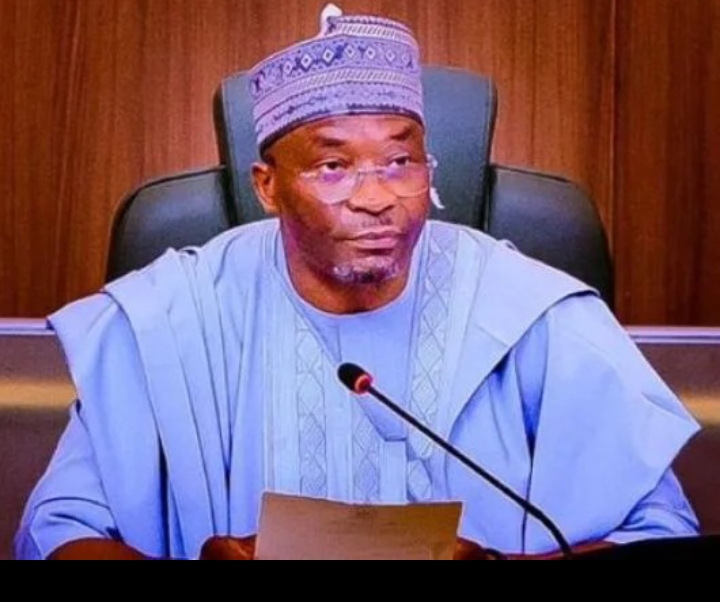
His time as Deputy Speaker has also allowed him to preside over the House when the Speaker is away. On those occasions, his approach has generally been calm and deliberate.
He does not appear to be in a hurry to prove that he is the person in charge. Instead, he listens, considers the matter before him and then makes his position known.
That approach has become one of the things people associate with him.
Politics Without Bitterness
One word that continues to come up when people talk about Benjamin Kalu is humility.
It is easy for politicians to appear humble when the cameras are on. The real test, however, is what happens when there is disagreement.
Those who have worked with Kalu often describe him as someone who treats people with respect, regardless of their position. He listens to people and tries to keep political disagreements from becoming personal battles.
That style has influenced the way he approaches leadership.
Rather than relying mainly on confrontation, Kalu has often used dialogue and negotiation to push his agenda. In the National Assembly, where different regions, political interests and personal ambitions constantly compete for attention, that approach can make a difference.
One of the issues he has strongly supported is the establishment of the South-East Development Commission. After years of discussions and agitation, the National Assembly eventually passed the legislation establishing the commission.
For Kalu, it was not simply about passing another bill. The commission represents an opportunity to address some of the infrastructure and development challenges facing the South-East.
He has also supported the Peace in the South-East Project, which focuses on dialogue, development and non-violent approaches to the security challenges in the region.
His role as Chairman of the House Committee on Constitution Review has also placed him at the centre of one of the most sensitive responsibilities in the current National Assembly.
Constitutional review involves different interests and expectations from across the country. Getting people with different political and regional positions to agree on anything is not an easy task.
It requires patience.
And patience is one quality that has become closely associated with Kalu.
The Style Behind the Man
There is also another side of Benjamin Kalu that makes his fashion sense hard to miss.
Kalu understands the importance of appearance, especially in a political environment where image can sometimes speak before a politician does. Whether he is on the floor of the House, attending an official event or representing his people at a social gathering, he is usually well put together.
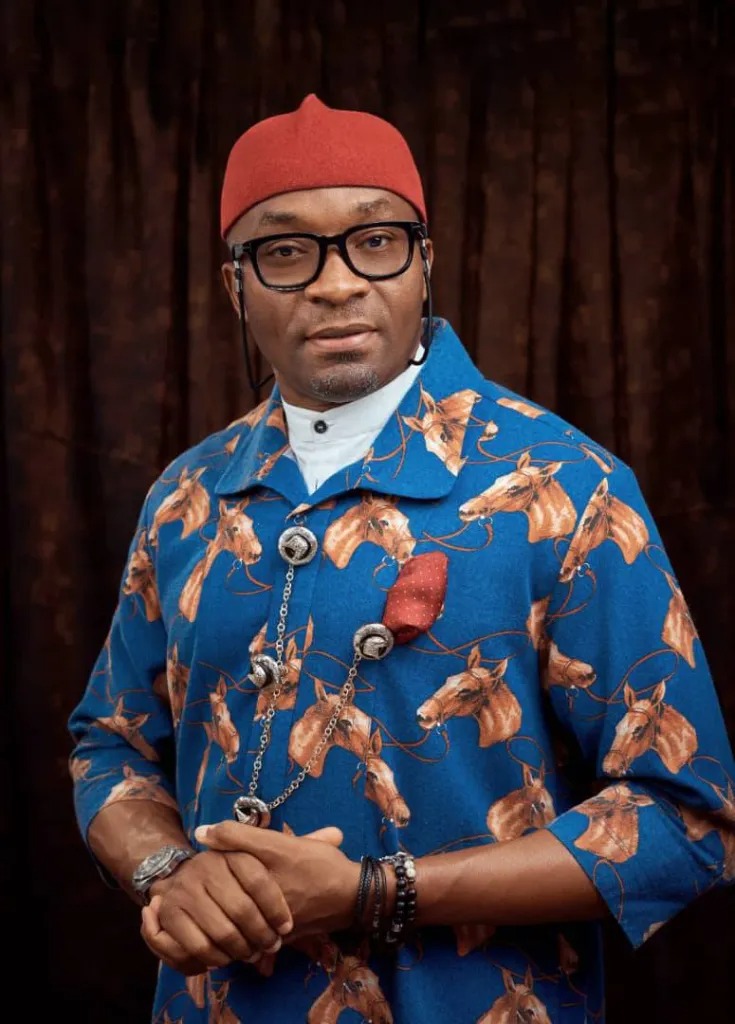
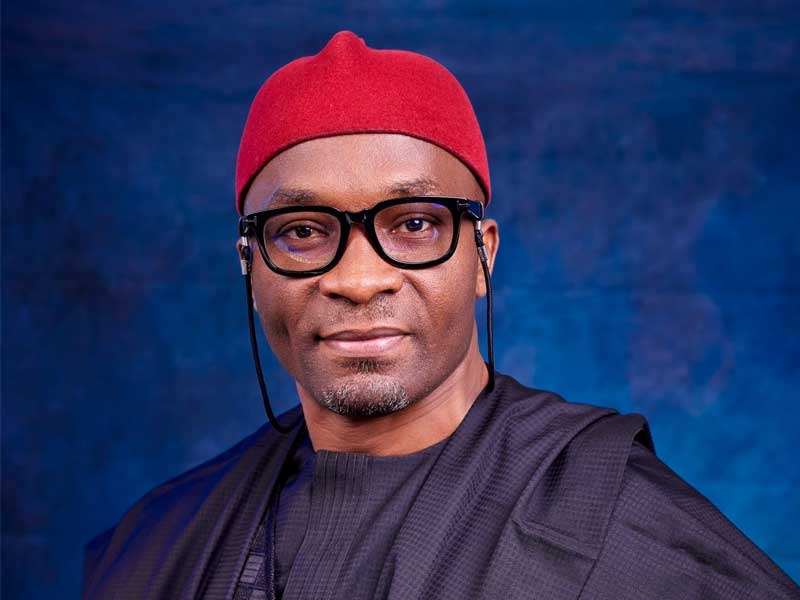
His style is a combination of traditional Nigerian dressing and modern political elegance. The agbada remains one of his noticeable choices, often worn with the confidence and simplicity that come with someone who understands his identity. His traditional outfits are usually complemented with carefully selected caps, shoes and accessories, giving him a polished appearance without making the outfit look unnecessarily loud.
But his fashion sense is not limited to traditional attire.
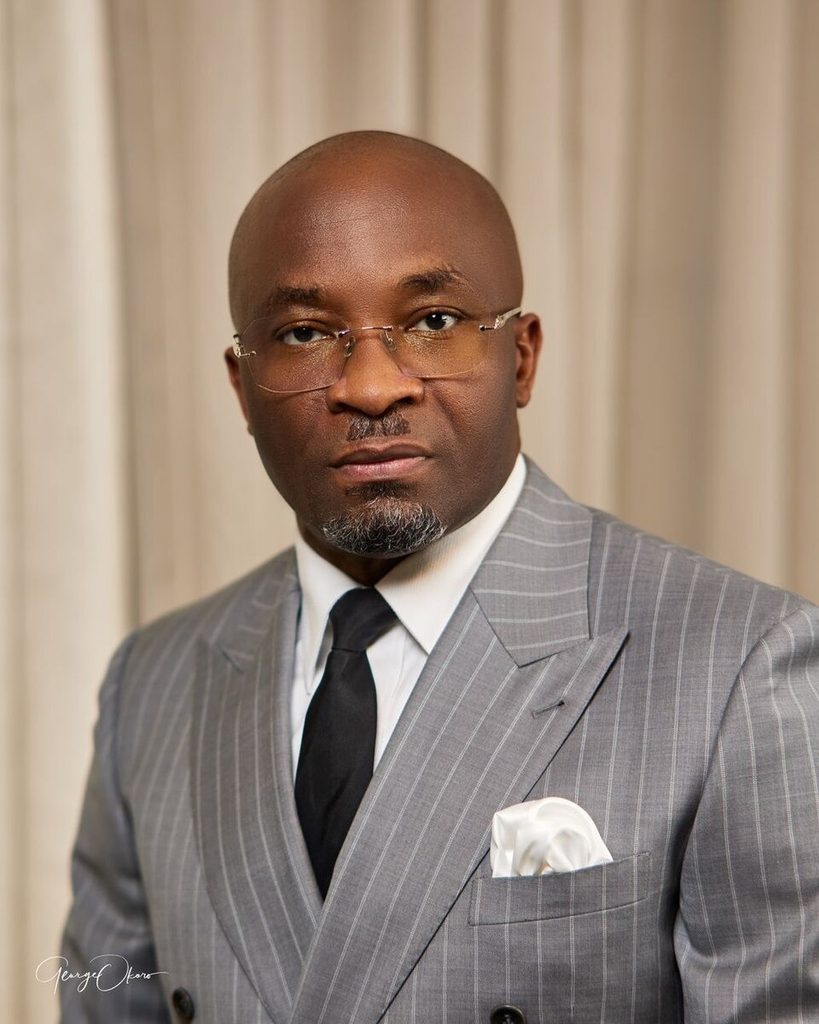
Kalu also appears comfortable in well-tailored Western suits, especially for parliamentary and official engagements. His choice of suits, shirts and ties generally reflects the formal nature of his position, while still allowing some personality to come through.
There is something deliberate about the way he dresses. He does not seem to chase every new fashion trend. Instead, he appears to favour clothing that fits the occasion, fits his position and, importantly, fits the man.
That balance between tradition and modernity is perhaps what makes his style stand out.
For a politician from Bende who now operates on one of Nigeria’s biggest political stages, the way Kalu dresses also carries a subtle message. He can walk into a formal government meeting in a suit and, on another occasion, appear in traditional Igbo attire without looking out of place in either setting.
His fashion, in many ways, mirrors his public personality: confident but not excessive, traditional but not stuck in the past, and carefully presented without appearing to try too hard.
In politics, where appearance is often part of communication, Kalu seems to understand that dressing well is not simply about looking good. It is also about knowing who you are, where you come from and what the occasion demands.
The Man Behind the Office
Away from the National Assembly, Kalu’s life appears to be much quieter.
Those close to him describe a man who values faith, family, reflection and service. His public messages around his birthday often focus on gratitude and appreciation for life, leadership and the opportunities that have come his way.
There is also a strong connection to his community.
Kalu carries the traditional title Utabiri Bende, a title given to him by his people in recognition of his leadership and contributions to the community.
His interest in young people is also reflected in the work of the Benjamin Kalu Foundation.
Through the foundation, he has supported scholarships, sports development, vocational training and technology initiatives. The foundation has also supported an IT training centre for young people interested in coding and other digital skills.
This is important in a country where millions of young people are looking for opportunities to develop themselves and build sustainable careers.
For Bende, these initiatives also mean that the young people coming after him have access to opportunities that may not have been available to his own generation.
Kalu has received several recognitions for his work, including the Zik Award of Excellence for Civic Engagement, as well as awards recognising his performance as a federal lawmaker from the South-East and Abia State.
He has also received recognition for his advocacy around tuberculosis policy and funding.
For a man who does not appear to spend too much time talking about his awards, the list is quite long.
A Deputy Speaker Playing the Long Game
Nigerian politics has always had room for loud voices. Sometimes, the politician who speaks the loudest gets the most attention.
Benjamin Kalu appears to have chosen another path.
His style is more measured. He speaks, listens, negotiates and waits. That does not mean he lacks ambition. If anything, his political journey shows a man who is very clear about where he wants to go.
When he emerged as Deputy Speaker in 2023, there were people in the South-East who believed the region deserved an even higher position. There was disappointment in some quarters.
But Kalu’s response has been to make the position he has count.
From his work on the South-East Development Commission to his involvement in constitutional review and his efforts around peace and development in the South-East, he has used the office as a platform to push issues he considers important.
His story is still being written.
Whether he will ultimately be remembered as a legislator, a political strategist, a coalition builder, a philanthropist or simply as the calm politician from Bende who managed to survive the rough edges of Nigerian politics without losing his composure remains to be seen.
But one thing is clear.
Benjamin Okezie Kalu has come a long way from Agbamuzu.
And his journey shows that in Nigerian politics, sometimes the man who speaks quietly can still make a very loud impact.
The entire management and Editorial Team of Weekenders magazine wish you a successful tenure and reelection bid.