
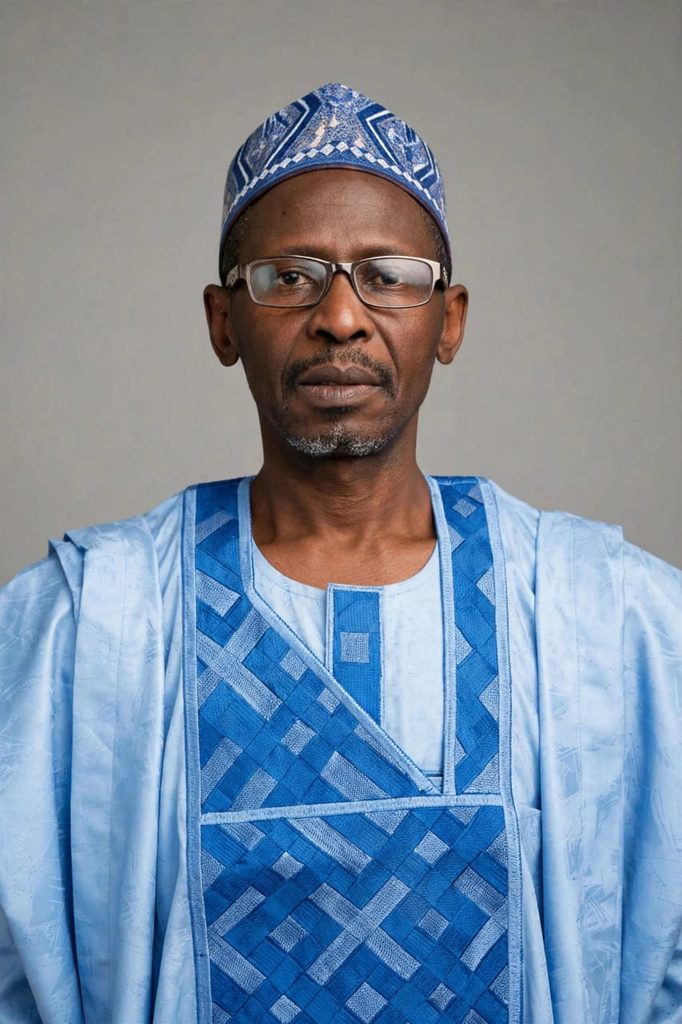
By Alh. Abdulbaki Ibrahim
Public Affairs Analyst, Kano
From Kano to Lagos, from Onitsha to Maiduguri, the conversation is the same. Nigerians are tired. Public power supply remains epileptic despite reforms, roads are in poor condition, schools are struggling. We are rich in oil, in land, in human capital, but poor in results.
We are right to demand better. Many public office holders have not met expectations. But there is a deeper, more uncomfortable truth we often avoid: the challenge is not only in Government Houses. It is also in our homes and communities.
Government does not fall from the sky. It rises from the people. And in many ways, government reflects the society that produces it.
WE HAVE TURNED POLITICS TO FOOTBALL
In Nigeria, we have turned governance into a football match. Arsenal vs Chelsea. APC vs PDP vs LP. We wear party caps like jerseys. We often do not vote for ideas; we vote for identity.
We vote because “he is our brother.” Because he speaks the same language or worships where we worship. Not necessarily because he has a workable plan for our local government area.
When loyalty to identity becomes stronger than loyalty to competence and to Nigeria, national progress suffers.
WE WANT CHANGE WITHOUT SACRIFICE
We want instant change, like instant noodles. Three minutes and it is ready. We want 24-hour electricity without paying bills. We want world-class infrastructure without discipline. We want a developed Nigeria without the hard work that builds it.
No country became great in one election. Rwanda came out of genocide with discipline. Singapore was once poorer than Nigeria but built itself with sacrifice and strictness.
You cannot plant a mango seed in your compound in Kano today and expect to eat its fruit tomorrow. Yet that is what we often demand from every new administration. A few months after swearing-in, we are already shouting “he has failed.”
A people who cannot endure short-term pain for long-term gain will keep repeating disappointment.
WE LOVE SWEET PROMISES, WE AVOID HARD TRUTHS
Why do deceptive politics thrive? Because truth can be uncomfortable.
A politician who tells us the hard truth — that we must pay tax, stop cutting corners, and work harder — may be unpopular. The one who promises instant miracles often gets the applause.
This happens because we have stopped interrogating promises. We don’t read manifestos. We don’t verify. We forward what excites us on WhatsApp, not what educates us. When a society becomes intellectually complacent, it becomes politically vulnerable.
That is why misinformation often spreads faster than facts in our markets and on our timelines.
WE MUST USE THE BALLOT WISELY
Our fathers fought for independence and democratic rights. We must not reduce the power of our voters’ card.
Every four years, we witness the same ritual: high hopes, loud campaigns, ethnic mobilization, insults, then disappointment. Four years later, we repeat the same mindset and expect a different result.
The ballot was meant to be a tool for liberation and development. When we use it without conscience and without consideration for competence, we undermine our own future.
NO CONSTITUTION CAN SAVE A PEOPLE WHO WON’T SAVE THEMSELVES
This is the hardest truth: No President, no constitution, no foreign aid, no anti-corruption agency, no prayer alone can save a people who refuse to save themselves.
We complain about dirty streets in Kano and Lagos, but waste still ends up inside gutters. We complain about unemployment, but we often celebrate shortcuts to wealth. We complain about falling standards in schools, but we don’t check our children’s books. We complain about corruption in high places, but we still offer inducements to obtain basic documents.
We want government to do everything, while we as citizens do little.
THE WAY FORWARD FOR NIGERIA
Nigeria does not need more spectators. It needs active citizens.
The change Nigeria needs is not only in Aso Rock. It is in our minds.
We need a shift from impatience to patience. From narrow loyalties to national loyalty. From dependence on connections to respect for due process.
It starts in small corners: clean your street, do your work honestly even when nobody is watching, teach your child that hard work pays, reject divisive sentiments even when it favours your kinsman, hold your councillor accountable, not just your President.
Until we change our mindset, we will keep changing leaders and getting the same results.
The rescue Nigeria is waiting for will not come from America or China. It will come from within — when ordinary Nigerians in Kano, Lagos, Enugu and Port Harcourt decide to become extraordinary in their own daily lives.
We are part of the problem. And by God’s grace, we are also the solution.
Alh. Abdulbaki Ibrahim is a Public Affairs Analyst based in Kano.