
Nkechinyere Ewa
Stakeholders have been urged to invest in peace-building initiatives and create a level playing field for all citizens to participate in governance as Nigeria prepares for the 2027 general elections.
Laureate Nwafor, State Coordinator, Women’s Situation Room Nigeria, Ebonyi State Chapter, made the call during a stakeholders’ engagement on peace-building and conflict prevention in the state.
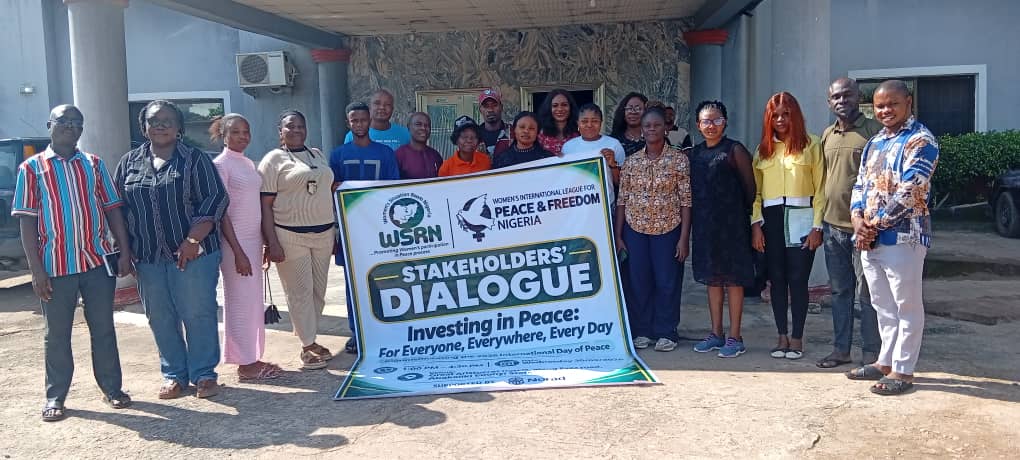
Nwafor said investing in peace required stakeholders, particularly government and political actors, to provide opportunities for citizens, especially youths, to participate meaningfully in decision-making processes rather than exposing them to violence.
She said the Women’s Situation Room, an initiative of the Women’s International League for Peace and Freedom (WILPF), had been engaging youths, media practitioners and other stakeholders on election monitoring, observation, reporting and peace-building.
According to her, the organisation had already trained about 50 youths on peace-building and was engaging stakeholders on practical steps to sustain peace, with particular attention to the 2027 elections.
“When we say that stakeholders should invest in peace, it is to give a fair playing ground for everyone to participate. Where you invest is where your heart is. If you want a peaceful election come 2027, how do you start the engagement and investing?” she asked.
Nwafor said government and other stakeholders should engage youths constructively and address their grievances rather than provide them with resources that could be used to cause violence.
She said participants at the meeting agreed to promote an app developed by the Young Men Network as a platform for citizens to report emerging issues, discuss peace-building, and identify areas requiring advocacy and sensitisation.
Also speaking, a resource person, Dr Doris Ajah Okohu, said youths must be prioritised in peace-building efforts because they were often used as instruments to perpetrate violence during conflicts.
Doris called for sustained dialogue with youths to understand their grievances and make them aware of the consequences of violence on their communities.
She said political influence could be countered by helping young people understand that violence ultimately destroys the lives, properties and livelihoods of people within their own communities.
Another participant stressed the need for a shift from a reactive approach to conflict prevention, arguing that greater resources should be committed to identifying early warning signs and addressing grievances before they escalate into violence.
The participant said waiting until violence occurred before mobilising resources often resulted in loss of life, destruction of property and increased cost of intervention.
The stakeholders also emphasised the importance of peace at the family and community levels, noting that peaceful homes, schools, markets and communities were essential to individual productivity and societal development.
The engagement formed part of activities to mark the 2026 International Day of Peace, themed “Investing in Peace for Everyone, Everywhere and Every Day.”