
By Joy Omagha Idam
The ECOWAS Parliament has intensified efforts to combat irregular migration, human trafficking and modern slavery by launching a regional parliamentary-citizen engagement campaign in The Gambia, aimed at taking the fight directly to communities across West Africa.
The initiative marks the commencement of a two-country outreach programme in The Gambia and Senegal designed to bridge the gap between policymakers and citizens, while promoting public awareness on the dangers of unsafe migration and gathering community-based recommendations to strengthen regional policies and interventions.
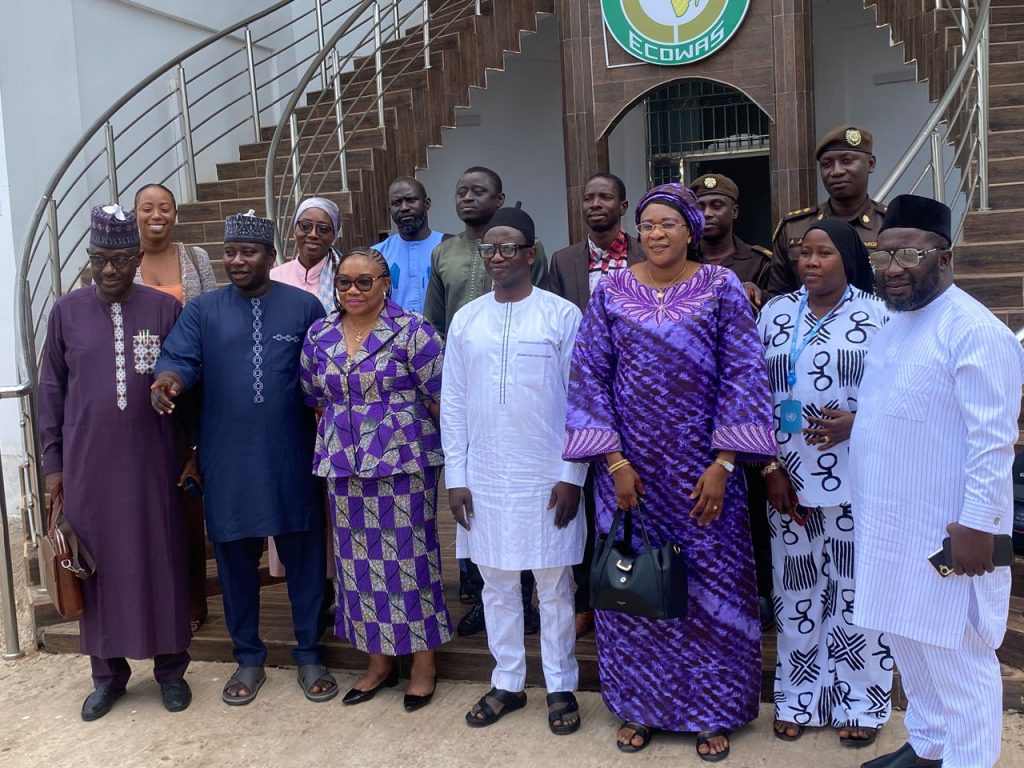
The campaign, which officially commenced in Banjul on Monday, will run in The Gambia from July 6 to 10 before moving to Dakar, Senegal, from July 13 to 17. Organised by The Gambia’s Delegation to the ECOWAS Parliament with the support of the Parliament’s General Secretariat, the programme has brought together parliamentarians, ECOWAS officials, government agencies, development partners, youth organisations, returnees, traditional leaders, civil society groups and the media.
Speaking at the opening ceremony, the Head of The Gambia’s Delegation to the ECOWAS Parliament and Fourth Deputy Speaker, Billay G. Tunkara, said the initiative reflects the Parliament’s commitment to moving beyond legislative debates by engaging directly with communities affected by migration challenges.
According to him, the campaign complements the Gambian Government’s efforts to tackle irregular migration, trafficking in persons and the socio-economic issues driving many young people to embark on dangerous migration journeys. He stressed that sustainable solutions can only be achieved through active community participation.
The ECOWAS Resident Representative in The Gambia, Miatta Lily French, described irregular migration and human trafficking as transnational challenges requiring stronger collaboration among ECOWAS member states. She called for sustained public awareness, preventive measures and coordinated regional action to protect vulnerable persons from exploitation.
Also speaking, the Director of Parliamentary Affairs at the ECOWAS Parliament, Dr. Kabeer Garba, commended The Gambian delegation for initiating the engagement, noting that direct interaction with citizens would provide lawmakers with valuable firsthand information on the realities driving irregular migration across the sub-region.
He explained that recommendations generated from the consultations would strengthen parliamentary advocacy and contribute to the formulation of more responsive regional policies to combat human trafficking, irregular migration and modern slavery.
Presentations during the opening session highlighted the growing migration concerns across West Africa.
Officials of The Gambia Immigration Department revealed that migrant interceptions, voluntary returns from North Africa and deportations from Europe increased significantly during the first half of 2026. The department also noted that The Gambia continues to serve as a country of origin, transit and destination along the Atlantic migration route, with women and children increasingly vulnerable to irregular migration.
The National Agency Against Trafficking in Persons raised concerns over emerging forms of exploitation, including child labour, forced labour, sexual exploitation and online scam operations linked to irregular migration. The agency called for stronger preventive measures, improved victim protection, enhanced investigations and greater cross-border cooperation.
Similarly, the International Organization for Migration (IOM) disclosed that The Gambia is increasingly becoming a major transit point along the West African Atlantic Route, citing overcrowded boats, shifting coastal departure points and the rising involvement of women and children in dangerous migration attempts.
The parliamentary-citizen engagement is expected to produce practical recommendations that will strengthen ECOWAS’ regional response to irregular migration and human trafficking, while promoting safer migration pathways and improving the protection of vulnerable populations across West Africa.
The initiative further reinforces ECOWAS Parliament’s commitment to ensuring that citizens play an active role in shaping policies that promote human security, regional integration and sustainable development across the sub-region.