
By Joy Omagha Idam
The ECOWAS Parliament has intensified its call for accelerated rural electrification across West Africa through the deployment of renewable energy solutions, adopting a series of strategic resolutions aimed at transforming rural communities and boosting economic development in the region.
The resolutions were adopted at the end of a five-day delocalised meeting of the Joint Committee on Energy and Mines, Infrastructure, and Agriculture, Environment and Natural Resources, held in Dakar, Senegal, from June 15 to 19.
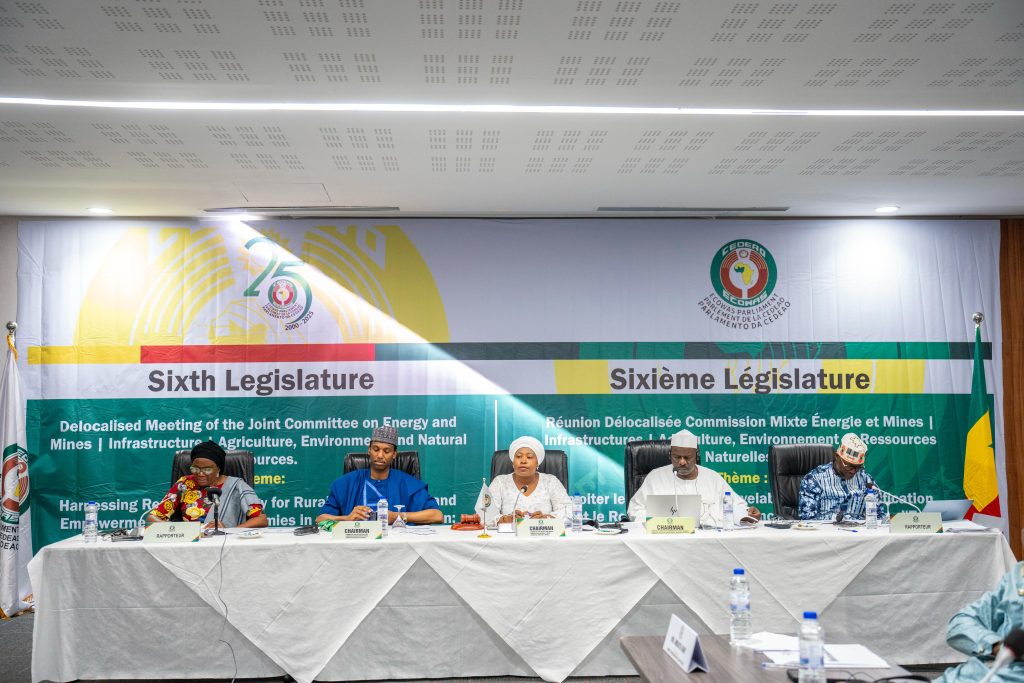
The meeting, themed “Harnessing Renewable Energy for Rural Electrification and the Revitalisation of Rural Economies in the ECOWAS Region: The Role of the ECOWAS Parliament,” brought together lawmakers and stakeholders from across the sub-region to deliberate on practical pathways for expanding access to sustainable energy.
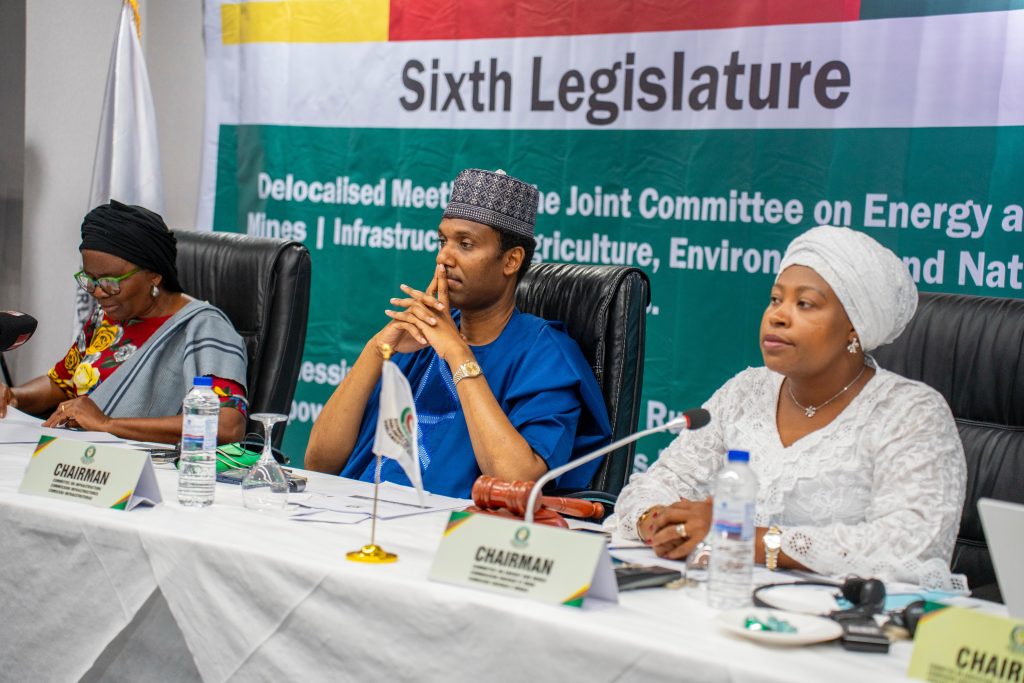
At the closing session, parliamentarians unanimously adopted the Joint Committee’s report following extensive discussions on technical presentations, panel sessions, and findings from a field visit to renewable energy facilities. Members reviewed the report in detail, offering observations and amendments to ensure it adequately addressed the energy needs and development aspirations of ECOWAS citizens.
The adopted resolutions highlighted the urgent need for increased deployment of decentralised renewable energy systems, including mini-grids and off-grid solutions, particularly in underserved rural communities. Lawmakers also called for the harmonisation of regulatory frameworks across member states to create a more enabling environment for investments in renewable energy.
Other key recommendations focused on strengthening innovative financing mechanisms, improving parliamentary oversight of energy projects, promoting quality standards for renewable energy equipment, and expanding access to financing for productive energy use in agriculture and small-scale enterprises.
The Joint Committee further underscored the importance of building the capacity of young people through technical and vocational training programmes while ensuring that women are fully integrated into renewable energy initiatives through gender-responsive policies.
To deepen regional cooperation, lawmakers advocated stronger coordination mechanisms among member states and increased support for the ECOWAS Centre for Renewable Energy and Energy Efficiency (ECREEE). They also stressed the need for greater engagement of parliamentarians in the implementation, monitoring, and evaluation of regional energy projects.
The meeting also addressed challenges confronting the West African Power Pool (WAPP), with members calling for urgent measures to tackle financial constraints affecting the regional electricity market. They reaffirmed support for the continuity of regional energy projects involving countries of the Alliance of Sahel States (AES), in accordance with existing agreements and contractual obligations.
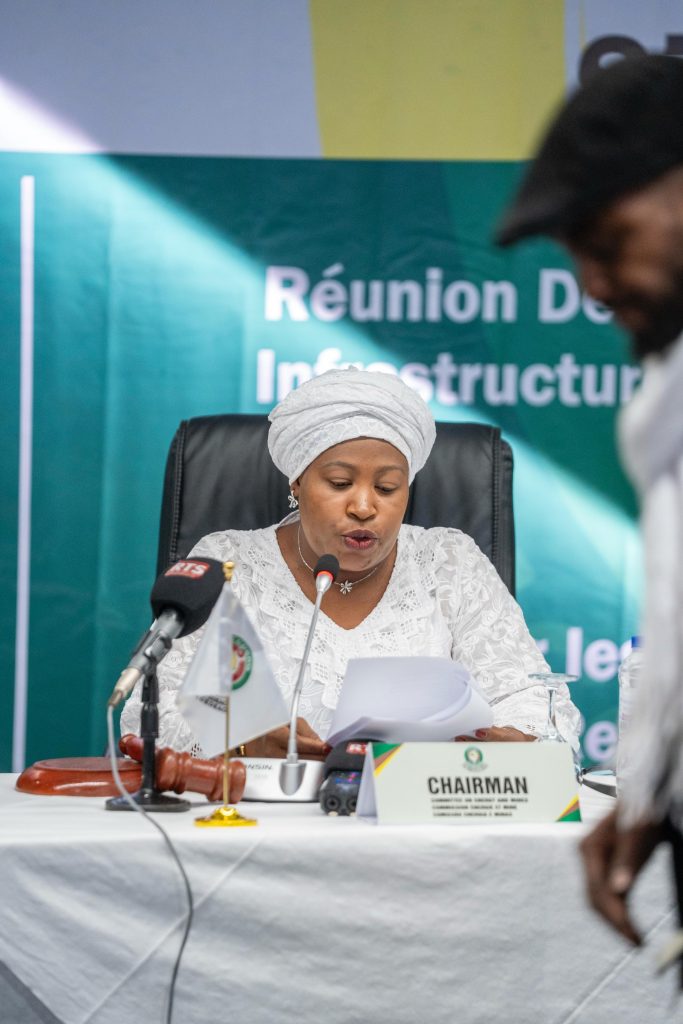
Speaking at the closing ceremony, Chairperson of the Joint Committee, Hon. Fanta Conte, commended members for their commitment and active participation throughout the deliberations.
She noted that rural electrification should not be viewed solely as a means of providing electricity to homes but as a powerful tool for economic transformation, job creation, increased agricultural productivity, and the empowerment of women and youth.
According to her, the recommendations adopted in Dakar provide a practical roadmap for accelerating West Africa’s energy transition and achieving universal access to electricity.
Hon. Conte urged parliamentarians across the region to leverage their legislative, oversight, and advocacy responsibilities to support the implementation of regional energy policies and attract greater investment into renewable energy development.
She further emphasized that the future prosperity of rural communities depends largely on the ability of ECOWAS member states to harness their vast renewable energy resources and convert them into drivers of sustainable development and regional integration.
The meeting concluded with participants expressing appreciation to the Government and people of Senegal for hosting the event and providing an enabling environment for productive engagement.
Lawmakers pledged to sustain collaboration in advancing the objectives of ECOWAS Vision 2050 and ensuring that rural communities are not left behind in the region’s transition to sustainable energy.