
By Joy Omagha Idam
The Economic Community of West African States (ECOWAS) has raised fresh concerns over the persistent rise in irregular migration across the sub-region, warning that the trend is expected to remain high throughout the second half of 2026 despite intensified border enforcement operations.
This warning was delivered by Assistant Superintendent of Immigration, Alkali Jammeh of the Gambia Immigration Department, during the ECOWAS Parliament’s Parliamentary Citizen Engagement on the Dangers of Irregular Migration and Modern Slavery holding in Banjul, The Gambia, from July 6 to 10.
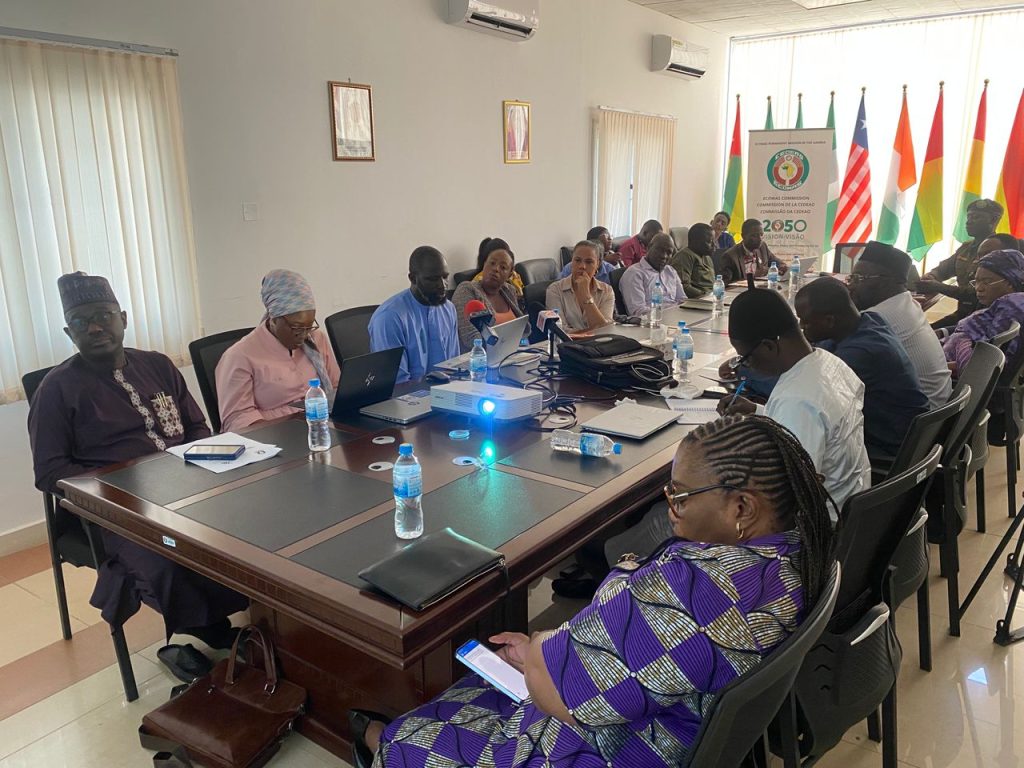
Presenting an overview of migration trends, Jammeh said operational data from the first half of the year showed that irregular migration remained at a sustained high level, with The Gambia continuing to serve as both a transit and departure point along the Atlantic migration route.
According to him, the second quarter of 2026 witnessed a sharp increase in the interception of migrants, voluntary returns from Libya and Tunisia, as well as deportations from European countries, particularly Germany and Italy, underscoring growing migration pressures across the region.
He warned that organised human smuggling networks were increasingly exploiting coastal communities, unauthorised border crossings and regional migration corridors, making it imperative for member states to strengthen intelligence gathering, border surveillance and regional cooperation.
Jammeh disclosed that large-scale group interceptions continued to dominate migration patterns, with the overwhelming majority of those intercepted being nationals of ECOWAS member states.
He noted that Senegal accounted for the largest number of intercepted migrants with 842 persons, representing 33.7 per cent, followed by The Gambia with 781 migrants or 31.3 per cent. Guinea recorded 424 migrants, representing 17 per cent, while Mali accounted for 383 migrants or 15.3 per cent.
The immigration official observed that migration remained largely male-dominated, although the number of women embarking on irregular migration continued to rise. He added that the increasing presence of children among migrants reflected growing family migration, making child protection an urgent concern.
According to Jammeh, nearly all intercepted migrants originated from ECOWAS countries, indicating that irregular migration within the sub-region remains largely regional in nature.
He identified several emerging trends during the second quarter, including increasing organised group movements, continued dominance of ECOWAS nationals, persistent involvement of Gambian citizens, growing participation of women and children, and the sustained use of dangerous irregular migration routes.
Jammeh also highlighted several operational challenges confronting immigration authorities, including weak legal frameworks, inadequate patrol and surveillance equipment, insufficient operational funding, fuel shortages and the complicity of some local communities with migrant smuggling networks.
Looking ahead, he warned that current indicators point to sustained migration pressures in the coming months.
He said smuggling syndicates were expected to continue exploiting coastal departure points while adopting new strategies to evade security agencies. He also projected that migration flows from Senegal, Guinea and Mali would remain significant, with voluntary returns from North Africa and deportations from Europe likely to increase.
Jammeh cautioned that unless governments sustain enforcement operations, strengthen intelligence sharing, intensify community engagement and enhance regional cooperation, migrant smuggling networks could become even more sophisticated and difficult to dismantle.
The ECOWAS Parliamentary Citizen Engagement is aimed at mobilising lawmakers, policymakers and stakeholders across the region to address the growing threats posed by irregular migration and modern slavery while promoting safer and legal migration pathways for West African citizens.
– Ends –