
Nkechinyere Ewa
Dr Ezeh Emmanuel Ezeh, Labour Party candidate for Abakaliki/Izzi Federal Constituency in the 2027 general election, has criticised the Federal Government’s economic policies, saying rising living costs and declining purchasing power are deepening hardship across Nigeria.
Ezeh, in a commentary on the state of the nation, described the situation as a progression from “broken pockets” to “broken dreams” and ultimately “broken homes and a broken society.”
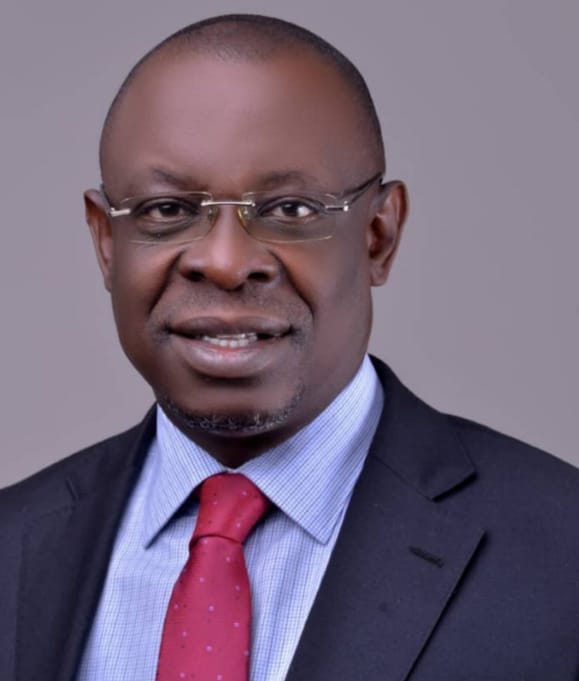
“Broken pockets, broken dreams, broken homes, broken society. That is the apt description of everyday life in Nigeria today,” he said.
He said the removal of petrol subsidy and other reforms under President Bola Tinubu had placed significant pressure on households and businesses, particularly low-income families, small enterprises and young Nigerians.
While the Federal Government has defended the reforms as necessary to address fiscal and structural challenges, Ezeh argued that their immediate effects had been severe, with higher transportation, food and operating costs eroding household incomes.
He cited the case of Felix Onyia, an electronics retailer in Abakpa Nike, Enugu, whom he said was considering relocating to his village because of worsening business conditions.
He also recalled a conversation with a tomato seller at Ketu Market, Lagos, who complained that rising wholesale and transportation costs were forcing traders to raise prices even as consumers struggled with reduced purchasing power.
“The trader blames the wholesaler, the wholesaler blames the rising cost of transportation and inputs, while the consumer bears the ultimate burden,” Ezeh said.
According to him, the impact of the economic crisis extends beyond household finances, affecting businesses, employment and family stability.
“When pockets are broken, dreams are broken too. And when dreams are broken, the family becomes the next casualty,” he said.
Ezeh said prolonged economic pressure could also worsen unemployment, migration and public distrust in government institutions.
The Federal Government, however, has maintained that the reforms were necessary to stabilise an economy it inherited with significant fiscal and structural challenges.
In his third-anniversary address in May 2026, Tinubu said his administration inherited unsustainable fuel subsidies, declining revenues, exchange-rate distortions, rising debt-servicing costs and energy constraints.
Recent National Bureau of Statistics data show that Nigeria’s real GDP grew by 3.89 per cent year-on-year in the first quarter of 2026, while headline inflation stood at 15.39 per cent and food inflation at 19.57 per cent under the rebased Consumer Price Index.
Ezeh said such macroeconomic indicators would only matter to citizens if they translated into improved living standards.
He also urged political leaders in the South-East to make economic welfare, employment, security, infrastructure and accountable governance central to the 2027 political debate.
He acknowledged the right of leaders including Pius Anyim, David Umahi, Charles Soludo, Orji Uzor Kalu and Hope Uzodimma to support their preferred political candidates, but said citizens also had the right to scrutinise those choices.
“The real question is which policies, alliances and leadership decisions offer Nigerians, including Ndigbo, credible prospects for jobs, enterprise, security, infrastructure and accountable governance,” he said.
Ezeh urged voters to assess the records and policy proposals of political parties and candidates ahead of the 2027 elections.
He said rebuilding public confidence required leadership that viewed governance as a responsibility rather than an entitlement.
“A nation does not die only when its economy fails. It dies when its people stop believing that tomorrow can be better than today,” Ezeh said.