
By Tamunotonye Boma, Bori
As Rivers State looks ahead to the scheduled end of the emergency administration on September 18, 2025, a profound moment of reflection beckons. For the past several months, the state has operated under the stewardship of Sole Administrator Ibok Ette Ibas, appointed to stabilise a rapidly deteriorating political and governance landscape.
His tenure, though temporary, has left behind enduring lessons and critical milestones that must not be forgotten as Rivers prepares for a return to constitutional order.
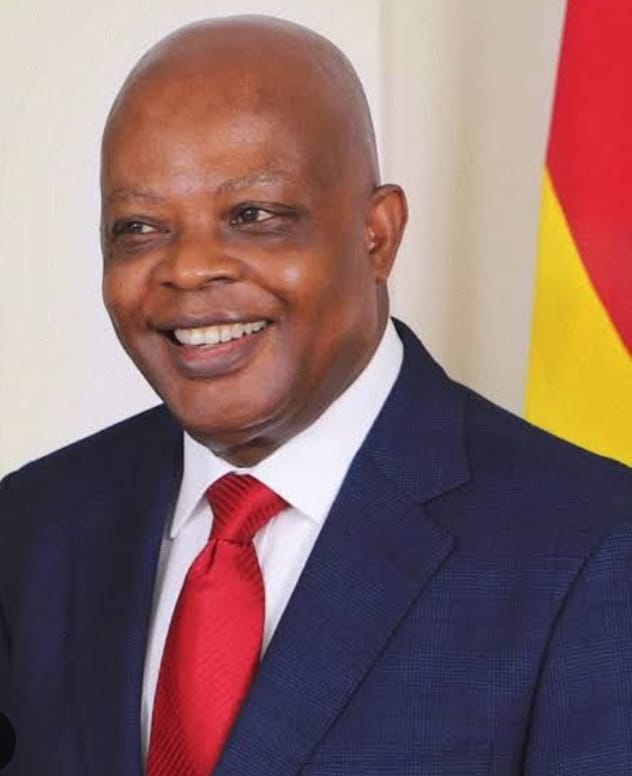
This transition presents more than a change in leadership. It is an opportunity to carry forward a legacy of people focused governance, transparency and unity, forged not through political convenience but through service and sacrifice. The emergency may be coming to an end, but the values it reawakened must live on.
When Ibas assumed office, the state was in crisis. Political hostilities had paralysed government institutions, legislative disputes had escalated into public confrontation, and the trust between the citizens and the political class had reached a dangerous low. Under these circumstances, governance could have easily descended into chaos.
But instead, what followed was a decisive reset. There was no time for theatrics, no luxury for political grandstanding. The call was simple but urgent: restore functionality, restore faith, and do so without delay.
One of the most remarkable legacies of the Ibas administration is its people centric approach to governance. Throughout his tenure, the Sole Administrator chose to focus on essential services and responsive leadership.
He understood that legitimacy in the eyes of the people is earned not through rhetoric, but through action. From the timely payment of workers’ salaries to targeted interventions in education, health and infrastructure, his administration restored visibility and credibility to the seat of governance.
But perhaps the most transformative initiative was the long overdue resolution of pension backlogs. For years, retirees had suffered indignity, moving from one ministry corridor to another, chasing their entitlements in vain. Under Ibas, a silent but sweeping reform was initiated.
Over 2.8 billion naira was disbursed to verified pensioners in a transparent process that brought comfort and dignity to their twilight years. Payments were made directly into their accounts, without the need for queues or bribes. It was not just a policy triumph. It was a moral victory.
What stands out even more is that all of this was achieved despite the political turbulence surrounding the emergency mandate. The Sole Administrator resisted the temptation to be dragged into partisan warfare. Instead, he built a firewall between governance and politics. For him, the mantra was clear — governance above politics. In every community he visited, in every stakeholder meeting he convened, that message was echoed not only in words, but in outcomes.
There is also the matter of communication. Previous governments in Rivers often struggled with engaging the public effectively. This administration turned that around. Through the launch of a comprehensive strategic communication plan, including radio talk shows, town hall meetings, and oped placements in national and local newspapers, the government opened new channels of dialogue. Citizens were not only informed; they were involved. For the first time in a long while, government messaging reflected the voices of real people and their real priorities.
A good government builds, but a great one prepares others to build after it. And that is where the question of legacy comes in. As September 18 approaches, the temptation for many would be to see this transition as a clean break. But it should not be. Rivers must not forget what this emergency government revealed about what is possible when service takes precedence over self interest. The systems put in place, which include digitised pension processes, community feedback loops, citizen outreach platforms must not be dismantled. They must be institutionalised.
Whoever resumes constitutional leadership after the emergency period must take heed. The people of Rivers have tasted a different kind of governance. They have seen government that listens, that delivers quietly, and that does not take sides in petty rivalries. It would be dangerous and disrespectful to return to the old ways of transactional politics and opaque governance. The bar has been raised. The expectations have changed.
In truth, this emergency government was never meant to be permanent. And that is perhaps its greatest strength. Because its temporariness gave it urgency. Its lack of political ambition freed it from the need to please. It focused instead on stabilisation and service. That kind of governance, though rare, is what citizens crave across Nigeria. It is the kind of leadership that gives people hope — not only in the government of the day, but in the very idea of the state.
There are those who may try to rewrite the story. They may minimise the achievements or question the legitimacy of the intervention. But the facts remain. Under Ibas, Rivers did not collapse. It recalibrated. It did not descend into chaos. It found a middle path. That cannot be erased by politics. It is etched into the testimonies of pensioners who finally received their dues. It is stamped into the roads repaired, the health centres revived, and the civil service re energised.
More importantly, the story of this emergency government is a lesson for the rest of the federation. That good governance is not the exclusive preserve of elected governments. That even in the most contentious of circumstances, service is still possible. And that when leaders put people first, even a temporary government can leave behind a lasting impact.
As the curtain prepares to fall on the Ibas administration, Rivers must rise above political amnesia. The transition must be managed carefully, the lessons documented, and the legacy protected. Let it not be that in six months’ time, we look back with nostalgia, wondering why the gains were not consolidated. Let it not be said that when Rivers had a chance to evolve, it instead regressed.
The responsibility lies not just with those in power, but with all stakeholders including civil society, media, youth, traditional institutions. Everyone has a role to play in ensuring that this season of emergency governance becomes a springboard for permanent reform. It is time to shift the narrative from survival to sustainability.
Ibok Ette Ibas may soon step aside, but what he represents must endure: dignity in leadership, focus in governance, and courage in the face of distraction. His chapter in the story of Rivers is not one of flamboyance or fanfare. It is one of quiet strength and principled service. And that, ultimately, is the kind of legacy that outlives tenure.
Rivers must not forget. Rivers must build on what has been started. And Rivers must keep the people always at the centre of its politics.