
Nkechinyere Ewa-Okpara
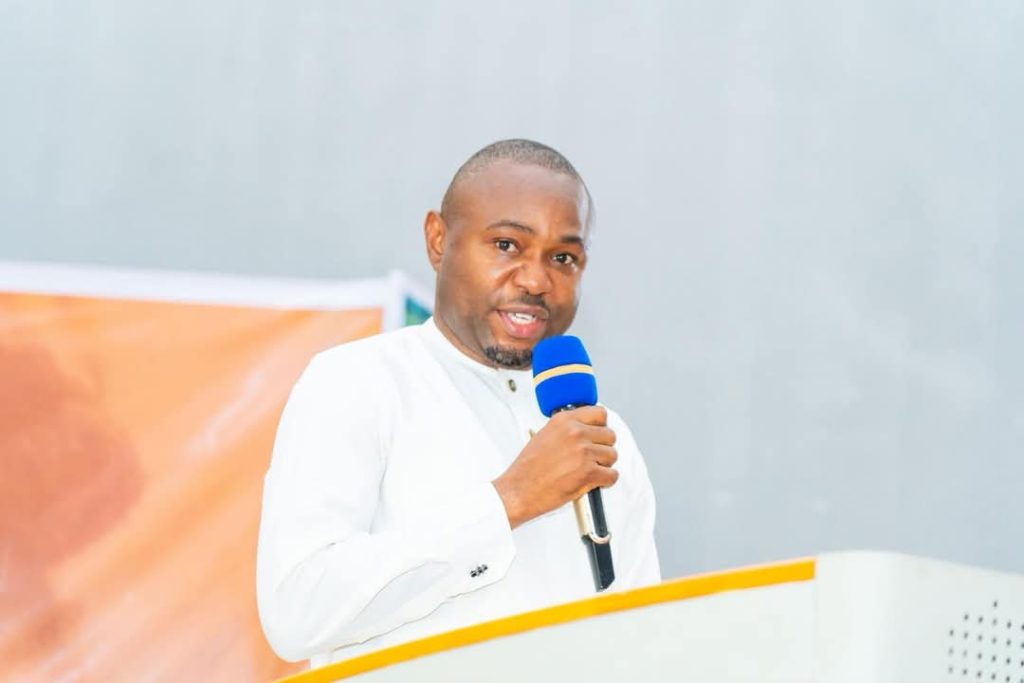
Chidi Onyia, the Commissioner for Solid Minerals in Ebonyi State, has absolved the state government of responsibility for environmental and human rights violations linked to mining in Ezillo and Ikwo communities in the state.
Onyia, while speaking to Journalists in Abakaliki, emphasised that the federal government controls the mining sector, leaving the state with no share of royalties and minimal regulatory authority. Journalists.
This reaction follows a report by the Community Development Advocacy Foundation (CODAF), a non-governmental organisation, accusing Chinese and local mining firms of environmental degradation, exclusion of host communities, and use of force to stifle dissent.
The report also alleges that mining operations commenced without required Environmental and Social Impact Assessments (ESIA).
Onyia defended the state, noting that many of the issues predate the current administration of Governor Francis Nwifuru.
He blamed community leaders for enabling questionable agreements and diverting funds meant for development projects like hospitals.
He also criticised NGOs for conducting biased investigations, accusing them of promoting predetermined narratives.
Highlighting the federal government’s monopoly over licensing, environmental approvals, and royalties, Onyia said the state is often held accountable for actions beyond its control.
However, he noted that the Ministry of Solid Minerals has ramped up oversight and now requires that Community Development Agreements (CDAs) include state involvement, despite resistance from some firms.
“Before, companies would deal with individuals and bribe their way through. Now, they must do it our way or stop work entirely. That is why today, for the first time, you see companies building roads, classrooms, and even houses in Ebonyi,” he said.
The Commissioner admitted that local complicity remains a major challenge, as many community members allegedly aid illegal mining operations or embezzle compensation funds.
“No one can mine in a community without the knowledge and support of people living there. It’s not just a governance problem, it’s also a community integrity problem,” he said.
Onyia also criticised the federal agencies stationed in the state, such as the Mines Inspectorate and the Mining Cadastre Office, for failing to regulate the miners they license, describing their presence as largely ineffective.
In reaction to claims of underground mining and land collapse, Onyia clarified that Ebonyi now mostly engages in opencast mining and that the state remains vigilant about environmental risks, including abandoned mining pits.
He noted that despite years of advocacy and formal correspondence, companies such as Julius Berger have yet to reclaim devastated sites like the abandoned lake in Akpoha, contrary to federal mining laws that require land reclamation within three months of closure.
“This system is broken. Until the federal government is ready to sit with state governments and the communities to fix it, the exploitation and degradation will continue not just in Ebonyi but across Nigeria,” the commissioner hinted.
Civil society groups, including the Environmental Defenders Network, Africa Just Transition Network, and Renevelyn Development Initiative, have demanded an independent audit of all mining activities in the state, an overhaul of the licensing system, and urgent remediation of affected areas.
CODAF’s director, Maimoni Ubrei-Joe, said the report must serve as a catalyst for systemic reform: “The people of Ezillo and Ikwo deserve justice, dignity, and a safe environment. This report is not just about outrage — it must ignite action.”