
By Gloria ToChukwu Umeweni
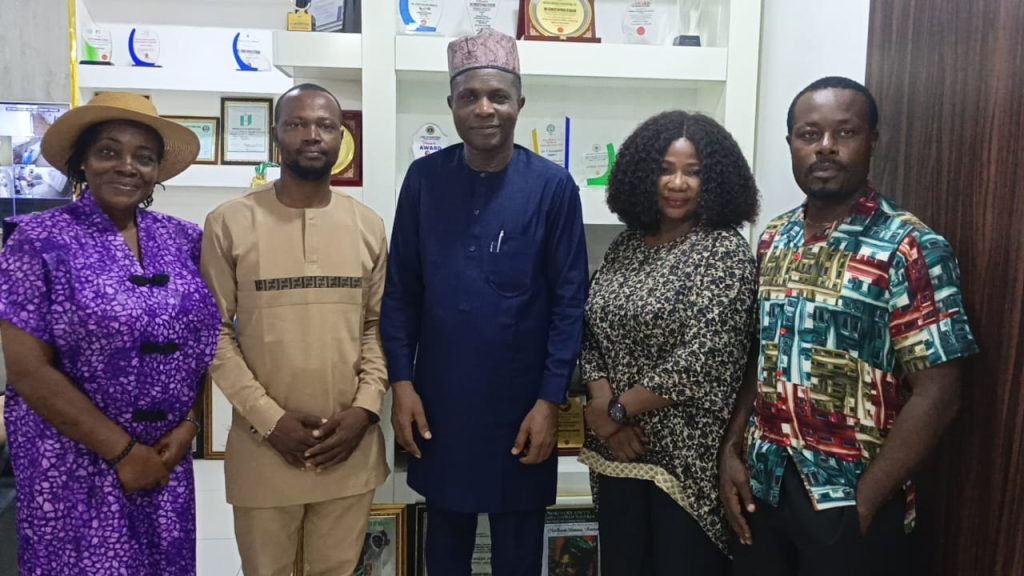
Members of the Nigerian Union of Journalists (NUJ), FCT Correspondents’ Chapel, have paid a courtesy visit to Alliance Hospital, Abuja, as part of efforts to strengthen collaboration ahead of the 2026 NUJ Health Conference.
Speaking during the visit, Chairman of the Correspondents’ Chapel, Felix Ojo, commended the hospital for its consistent support to NUJ activities and its humanitarian contributions to society.
He particularly appreciated the hospital’s sponsorship of the second edition of the NUJ Health Conference, describing the gesture as a demonstration of commitment to shared values of promoting public health awareness and strengthening institutional partnerships.
Ojo noted that Alliance Hospital has earned a reputation as a dependable healthcare provider, offering safe, trusted, and affordable medical services to Nigerians.
“The NUJ Health Conference 2026 is designed as a solution-driven platform to promote health awareness and wellbeing among journalists and the general public,” he said.
He added that the conference brings together policymakers, regulators, financiers, pharmacists, health professionals, and the media to address critical challenges in Nigeria’s healthcare system.
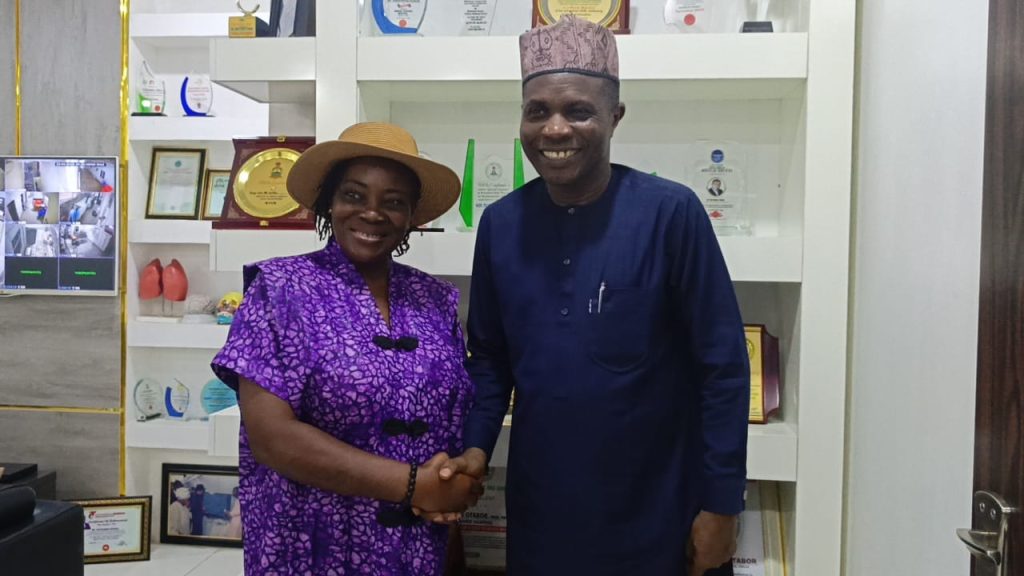
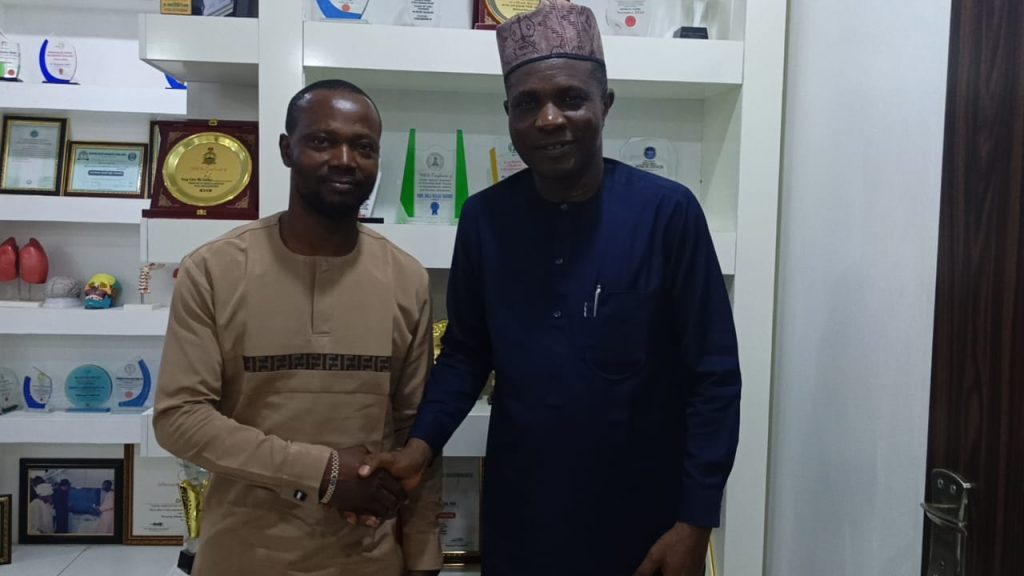
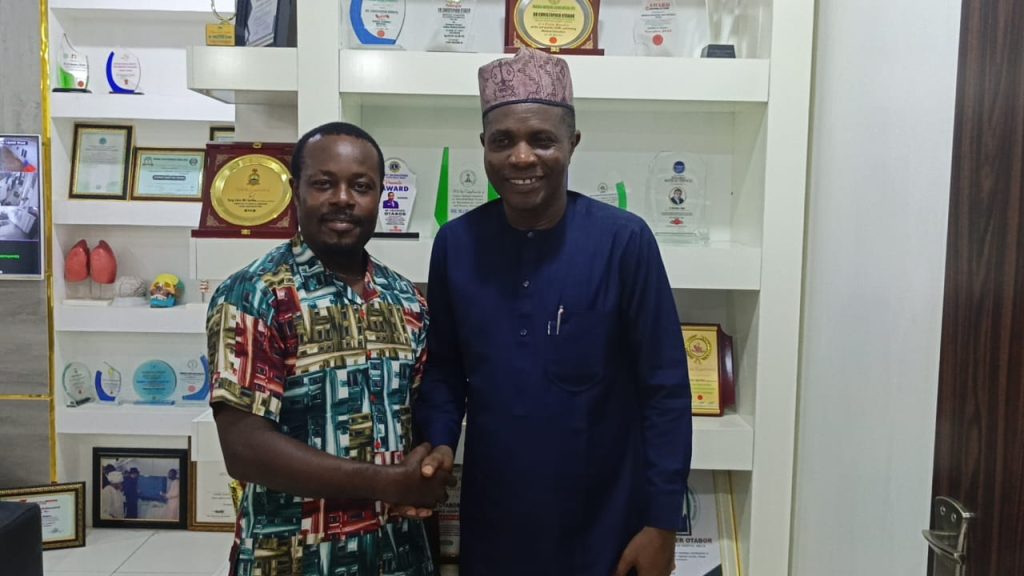
In his response, the Managing Director/Chief Executive Officer of Alliance Hospital, Christopher Otabor, expressed appreciation for the visit and confirmed his acceptance to attend and speak at the upcoming conference.
Otabor, however, painted a stark picture of the challenges facing Nigeria’s healthcare sector, citing rising operational costs, worsening economic conditions, and the mass migration of medical professionals.
He revealed that the hospital’s monthly diesel expenditure has more than doubled—from about ₦700,000–₦800,000 to between ₦1.6 million and ₦1.7 million—highlighting the burden of unstable power supply on healthcare delivery.
According to him, despite the rising costs and increasing number of patients, many hospitals are struggling to stay afloat as citizens become poorer and unable to afford healthcare.

“Whatever we give is not out of abundance but necessity,” he said, stressing that while resources may be limited, knowledge remains a powerful tool that can be shared freely to save lives.
He emphasized that many deaths in Nigeria are preventable, attributing them to lack of awareness and health education.
“People are dying because they lack knowledge. Ignorance is one of the costliest commodities,” he added.
Otabor also raised concerns over the alarming rate of brain drain in the medical sector, citing reports that over 4,600 Nigerian doctors have migrated to the United Kingdom in the past three years—representing more than 60 percent of newly trained doctors.
He attributed this trend to poor remuneration, harsh economic conditions, and inadequate support for healthcare workers, especially in government hospitals.
The Alliance Hospital boss further criticized the government’s response to recurring strikes in public hospitals, noting that little effort is made to support private healthcare providers who bear the burden during such periods.
He warned that without urgent reforms, Nigeria’s healthcare system could face deeper crises, even as private hospitals struggle to fill the gap left by failing public institutions.
Despite the challenges, Otabor reaffirmed his commitment to saving lives and sharing knowledge, promising to contribute meaningfully to the NUJ Health Conference.