
By Emmanuel Fateman and Sharon Akuboh
As Nigeria marks its 66th Independence Anniversary, Olori Omoba Otunba Adejare Rewane Adegbenro has called for continued efforts to strengthen democratic institutions, deepen citizen participation and encourage greater administrative and fiscal responsibility at the subnational level.
Reflecting on Nigeria’s journey since independence in 1960, Adegbenro described the country’s experience as one marked by resilience, political transitions and an evolving democratic culture.
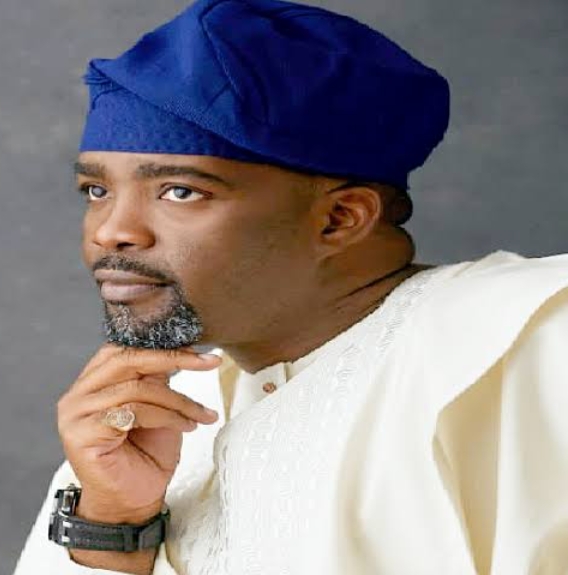
He noted that Nigeria began with a parliamentary system of government before experiencing periods of military rule and eventually returning to democratic governance in 1999.
“It’s been a journey of resilience,” Adegbenro said.
According to him, the different phases of the country’s political history provide useful lessons for the continuous development of the Nigerian state.
LESSONS FROM THE FIRST REPUBLIC
Reflecting on the First Republic and the legacy of his grandfather, Chief D.S. Adegbenro, who served as Premier of the Western Region, he said that period offered lessons in regional development and public administration.
Adegbenro said the experience of the era demonstrated the importance of allowing different parts of the country to develop according to their particular strengths and opportunities.
“That era taught us the value of regional development and administrative discipline,” he said.
He expressed the view that greater administrative and fiscal responsibility at the state level could encourage further development in areas such as education, agriculture and infrastructure.
He added that continued discussion around the responsibilities and resources of the different tiers of government could contribute to the country’s federal development.
REMEMBERING THE PRO-DEMOCRACY YEARS
Adegbenro also reflected on Nigeria’s years of military rule and the emergence of pro-democracy movements that contributed to the country’s eventual return to civilian governance.
He spoke about his family’s historical connection to the pro-democracy movement and the contribution of his grandfather, Pa Alfred Rewane.
According to Adegbenro, Pa Rewane was among those who supported the campaign for the restoration of democratic governance during a significant period in Nigeria’s political history.
“The military years, painful as they were, created the very resistance that birthed our present democracy,” he said.
He said the sacrifices associated with Nigeria’s democratic journey should remain part of the country’s historical consciousness.
“His sacrifice is part of why we have the democracy we practice today,” he said.
DEMOCRACY AND NATIONAL DEVELOPMENT
Assessing Nigeria’s democratic experience since 1999, Adegbenro said the country had recorded important milestones, including successive civilian transitions and increased public participation in governance.
He, however, maintained that there was still room for continuous improvement in the way democratic institutions function and in how citizens participate in national development.
“Democracy must deliver, not just exist,” he said.
According to him, democratic governance should ultimately create an environment in which citizens can pursue economic opportunities, access essential services and contribute meaningfully to the country’s development.
ON THE RENEWED HOPE AGENDA
Commenting on the administration of President Bola Ahmed Tinubu, Adegbenro said the government’s Renewed Hope Agenda had placed attention on a number of major economic and structural issues.
He referenced the administration’s economic reforms, including changes in the petroleum subsidy regime and foreign-exchange policy, as significant areas of national policy.
Adegbenro acknowledged that major policy adjustments can involve difficult periods of transition, while expressing the view that sustained implementation and effective communication are important to achieving desired outcomes.
“These are difficult decisions, but necessary ones,” he said.
He said the success of any major reform ultimately depends on effective implementation and the ability to translate policy objectives into improved opportunities and living conditions for Nigerians.
KEY AREAS FOR GOVERNANCE
Looking at the broader governance landscape, Adegbenro identified security, strong institutions and public confidence as areas that deserve continued attention.
He said maintaining a secure environment remains important for economic activity, investment and social development.
On institutions, he advocated structures that are sufficiently strong and effective to support continuity beyond individual administrations.
He also emphasised the importance of constructive engagement between citizens and government.
According to him, public participation should go beyond elections and include informed engagement with policies and national development initiatives.
HIS MESSAGE TO YOUNG NIGERIANS
Looking ahead, Adegbenro said Nigeria’s next phase should focus on strengthening the foundations of democracy while ensuring that citizens have greater opportunities to benefit from the country’s development.
He called for stronger institutions, responsible governance and greater empowerment of subnational governments.
“My hope is that we move from merely surviving democracy to truly benefiting from it,” he said.
He also urged young Nigerians to value the democratic freedoms available to them and to participate constructively in governance.
“Don’t take this democracy for granted — real people paid real prices for it,” he said.
Adegbenro encouraged young Nigerians to remain engaged, hold public officials accountable through legitimate democratic channels and support policies that promote national development.
He stressed that building the Nigeria of the future requires contributions from government, citizens, businesses, civil society and other stakeholders.
“The Nigeria we want is one we must all help build,” he said.
As Nigeria marks 66 years of independence, Adegbenro’s reflections highlight the importance of preserving the country’s democratic heritage while continuing to strengthen institutions, encourage responsible governance and create greater opportunities for citizens across the country.