
By Joy Omagha Idam
As Nigeria gradually inches toward another election cycle, the urgency to rebuild public trust, strengthen civic consciousness, and promote national values has taken centre stage.
At the heart of this renewed push is a strategic partnership between the National Orientation Agency (NOA) and the Nigeria Association of Women Journalists (NAWOJ), both of which are seeking to reshape citizen engagement and democratic participation.
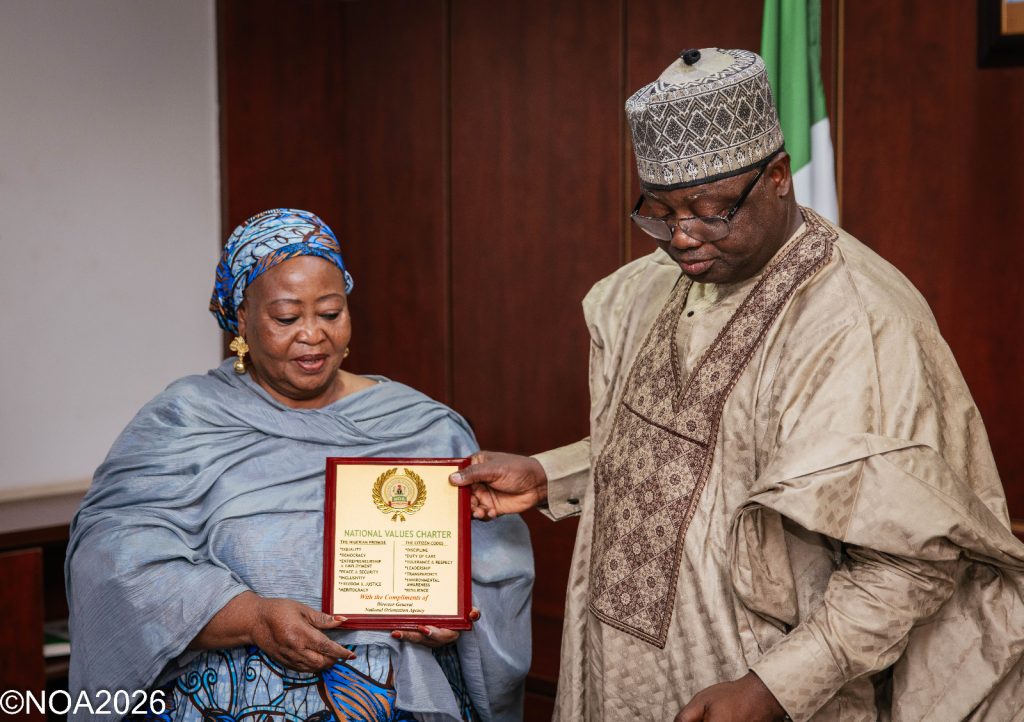
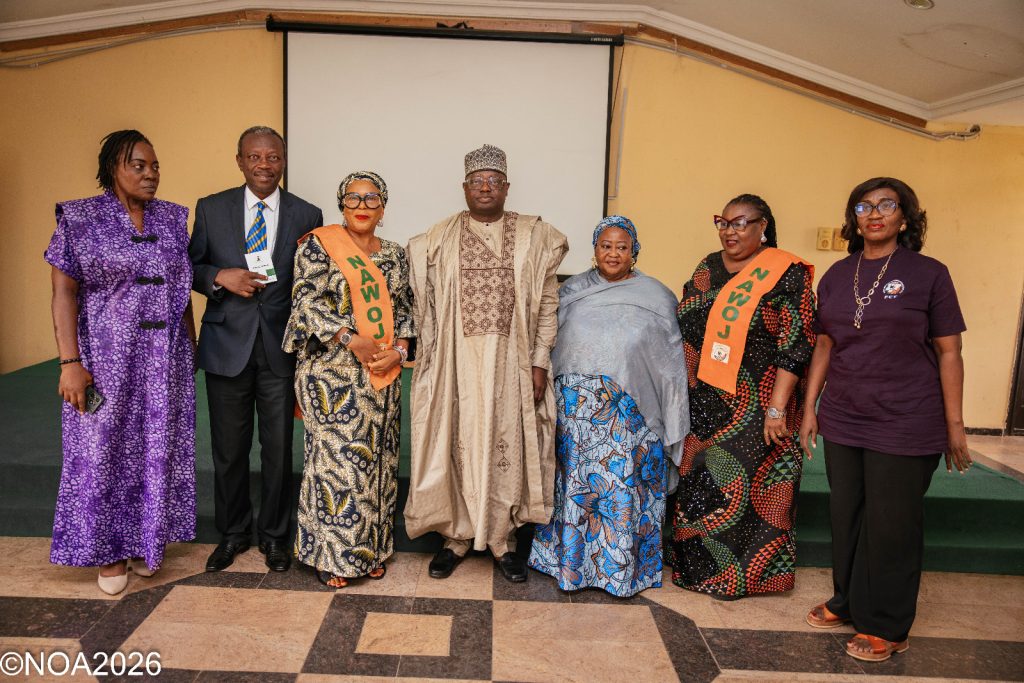
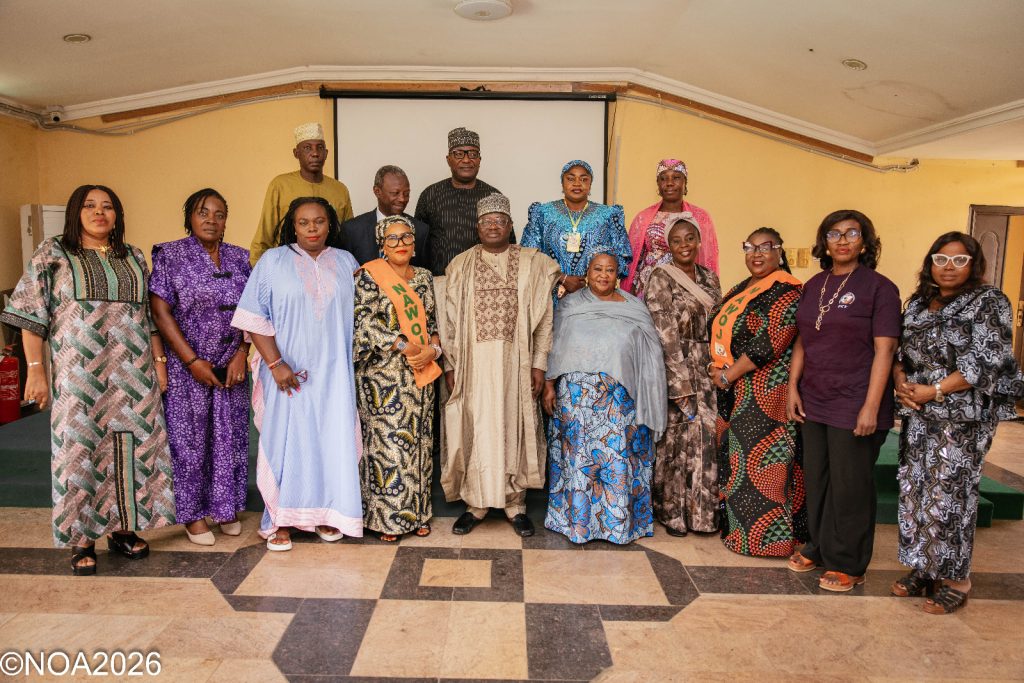
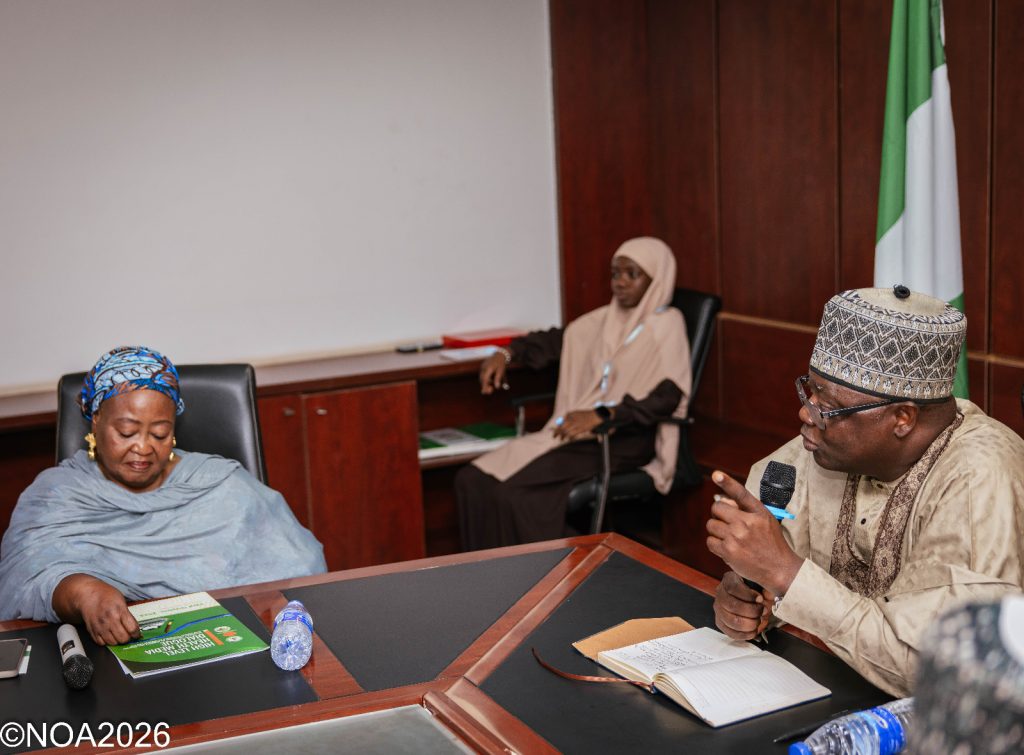
During a recent high-level engagement, the Director-General of NOA, Mallam Lanre Issa-Onilu, underscored the importance of collaboration in driving national development. He described the visit by NAWOJ as not only timely but also critical in fostering a unified approach to civic education and value reorientation.
For an agency rooted in the legacy of the Mass Mobilization for Self-Reliance, Social Justice and Economic Recovery (MAMSER), NOA’s mandate has evolved to meet the complexities of a changing society. With a presence in over 800 locations nationwide, the agency occupies a unique position in bridging the gap between government and citizens—particularly at the grassroots.
Issa-Onilu pointed to the growing influence of digital media and foreign cultural content, which he said are increasingly shaping the values and attitudes of young Nigerians—sometimes negatively. With more than half of Nigeria’s population under the age of 35, he stressed that targeted civic education and value-based orientation are no longer optional but essential.
Central to NOA’s renewed strategy is the Nigerian Identity Project, anchored on the National Values Charter. Built on a “seven-for-seven” framework, the initiative seeks to define mutual obligations between the government and its citizens.
The Federal Executive Council’s approval of key components, including the reintroduction of Citizenship Studies into school curricula, signals a policy-backed commitment to instilling patriotism and civic responsibility from an early age.
Beyond the classroom, NOA is also looking to influence cultural consumption among children. Plans are underway to boost local content production, with an ambitious target of ensuring that at least 70 per cent of cartoons watched by Nigerian children reflect indigenous values and cultural heritage.
While institutional frameworks are critical, Issa-Onilu acknowledged that sustainable change requires the active involvement of the media. He commended women journalists for their consistent role in promoting ethical standards, national unity, and responsible reporting, describing them as indispensable partners in nation-building.
Responding to this call, NAWOJ National Chairperson, Aishatu Ibrahim, reaffirmed the association’s readiness to deepen collaboration with NOA. She outlined a roadmap that includes nationwide training workshops, grassroots outreach programmes targeting women and youth, and the development of civic education materials in local languages.
These initiatives, she noted, would be complemented by coordinated media campaigns aimed at combating misinformation and promoting informed electoral participation.
Also lending his voice, NAWOJ Board of Trustees member, Zubair Jide Atta, highlighted the enduring significance of national values. Reflecting on the evolution of Nigeria’s National Anthem, he advocated for a stronger integration of media and information literacy into the education system as a means of nurturing critical thinking and responsible citizenship.
As the conversation around elections often gravitates toward political actors and institutions, this partnership between NOA and NAWOJ shifts the focus to the citizens themselves—their values, awareness, and participation. It is a reminder that democracy thrives not only on the strength of institutions but also on the consciousness of the people.
With both organisations aligning their expertise and outreach capabilities, the stage is set for a more informed, value-driven, and inclusive electoral process. In a time when misinformation and apathy pose significant threats, their joint efforts may well prove pivotal in shaping Nigeria’s democratic future.
This was contained in a statement issued by Bala Musa, Director, Communication and Media.