
By Remi Johnson
The Federal Capital Territory Administration (FCTA) has announced plans to roll out a 24-hour teleconsultation healthcare service aimed at bringing quality medical care closer to residents, especially those in rural communities.
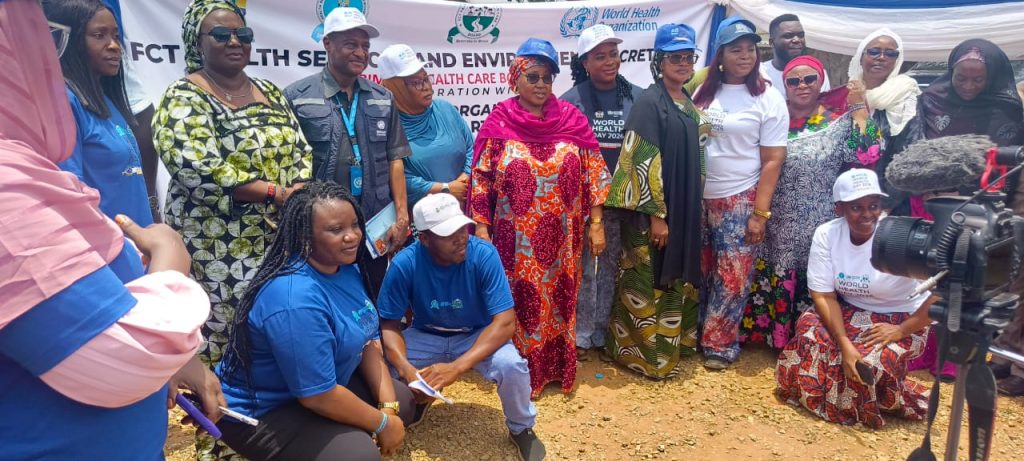
The Mandate Secretary of the Health Services and Environment Secretariat, Dr. Adedolapo Fasawe, gave the hint in Abuja, during the official launch of the upgraded Primary Healthcare Center at Dutse Makaranta, as part of activities to commemorate the 2026 World Health Day in Bwari Area Council.
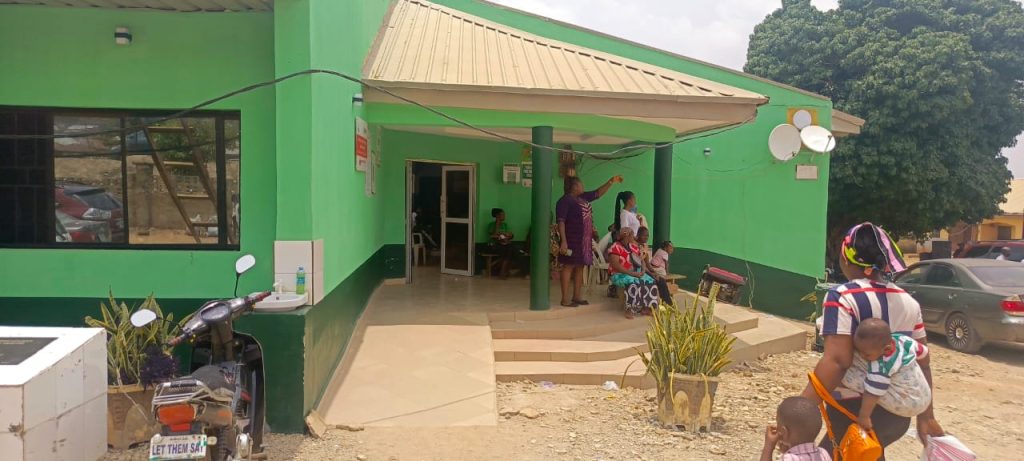
Fasawe, represented by the Acting Executive Secretary, FCT Primary Healthcare Board, Hajiya Ruqqaya Wammako said the initiative is designed to ensure that citizens can consult doctors from the comfort of their homes without the need for long-distance travel.
Fasawe described the teleconsultation model as a practical, science-driven solution to Nigeria’s healthcare access challenges.
“This is not theory. This is science working for the people,” she said, emphasizing that the solar-powered, satellite-enabled system will connect patients in underserved areas directly to medical doctors via phone consultations.
According to her, the innovation means residents “no longer need to travel far to see a doctor” as expert care will now be accessible within their communities, allowing health concerns to be addressed early before they escalate into emergencies.
The event, themed “Together for Health: Stand with Science,” highlighted the FCTA’s commitment to strengthening primary healthcare delivery and ensuring equitable access for all residents.
Fasawe noted that the milestone reflects the broader healthcare vision of the FCT Minister, Mr Nyesom Wike, whose administration has prioritized initiatives ranging from emergency response systems to maternal healthcare support through Mama Kits and clean energy interventions.
She stressed that the teleconsultation initiative will improve the dignity and safety of care, boost healthcare workers’ confidence, and rebuild community trust in public health systems.
“When a mother must travel long distances to see a doctor, or a farmer delays treatment due to transport costs, the system has failed. We are changing that story,” she said.
Fasawe also acknowledged the contributions of key stakeholders, including development partners, traditional leaders, and frontline health workers, as well as technology provider Mobihealth International, whose platform powers the teleconsultation services.
She clarified that the introduction of technology is not intended to replace healthcare workers but to empower them.
“With this system, a primary healthcare worker can instantly connect with a doctor, make better clinical decisions, and deliver faster, more confident care,” she added.
The Mandate Secretary said the initiative would also help reduce congestion at primary and secondary healthcare centres while improving service delivery.
In his remarks, the Regional Director for Africa of the World Health Organization, Dr. Mohammed Janabi, represented by the WHO North Central Zonal Coordinator, Dr. Asmau Zeenat, called for stronger collaboration across governments, disciplines, and communities.
While stressing that no single entity can address the challenges alone, Dr Janabi
noted that the region continues to face complex health challenges, including persistent diseases and emerging threats.
He added that advances in science have been central to improving life expectancy, prevention strategies, and life-saving treatments, reinforcing the importance of this year’s theme.
“WHO envisions a new era of health in Africa that called for a renewed commitment, which include universal health to ensure that everyone benefits from proven intervention. On this World Health Day, we encourage African Government to increase domestic investment in science, research and innovations as the foundation for health, security and sustainable development “
World Health Day, observed annually on April 7, promotes global health awareness and encourages collective action towards improved health outcomes.
The event attracted a wide range of stakeholders, including area council health authorities, traditional rulers, development partners, and community members.
Highlights of the celebration included the registration of residents into the FCT Health Insurance Scheme, immunization services, voluntary HIV testing, postnatal care education for nursing mothers, nutrition guidance using locally available foods, and demonstrations of proper handwashing practices.
FCTA officials say the teleconsultation programme will be scaled across the territory, with plans to integrate it fully into routine primary healthcare services.
“Our goal is simple,” Fasawe said. “No one should be left behind when it comes to healthcare.”