
By Joy Omagha Idam, Abuja
In a world increasingly shaped by digital knowledge, who gets documented—and who is left out—has become a pressing question. In Abuja, that conversation took centre stage as journalists, advocates, and development partners gathered to confront a quiet but consequential imbalance: the gender gap on Wikipedia.
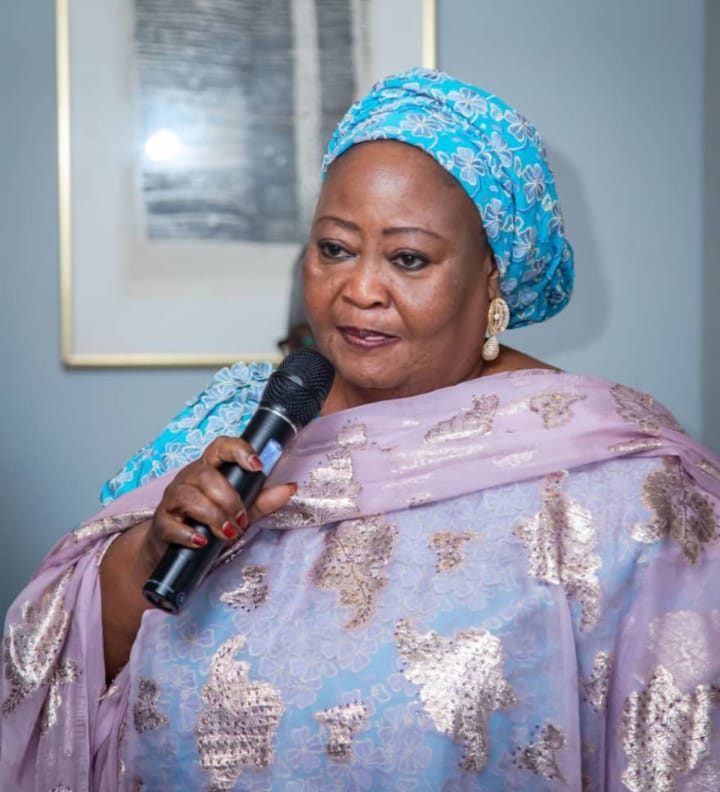
At the heart of this effort is the Nigeria Association of Women Journalists (NAWOJ), whose National Chairperson, Hajiya Aisha Ibrahim Kwaya-Bura, sees a powerful opportunity in collaboration.
Speaking in an exclusive interview with Weekenders Magazine during a one-day WikiGap symposium, Kwaya-Bura framed the initiative as more than a partnership—it is a call to reshape narratives.
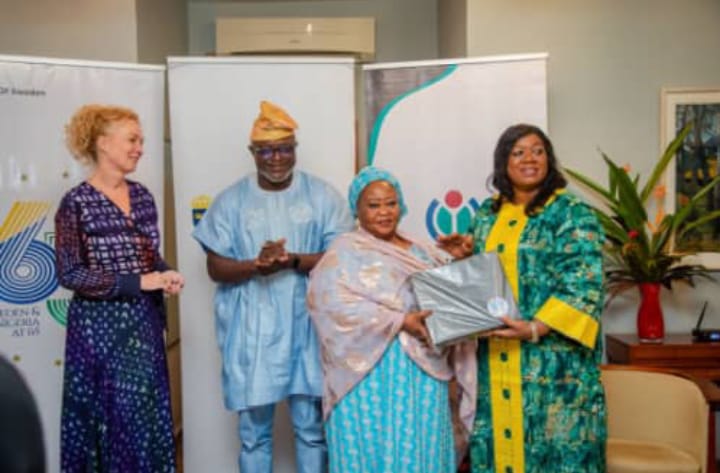
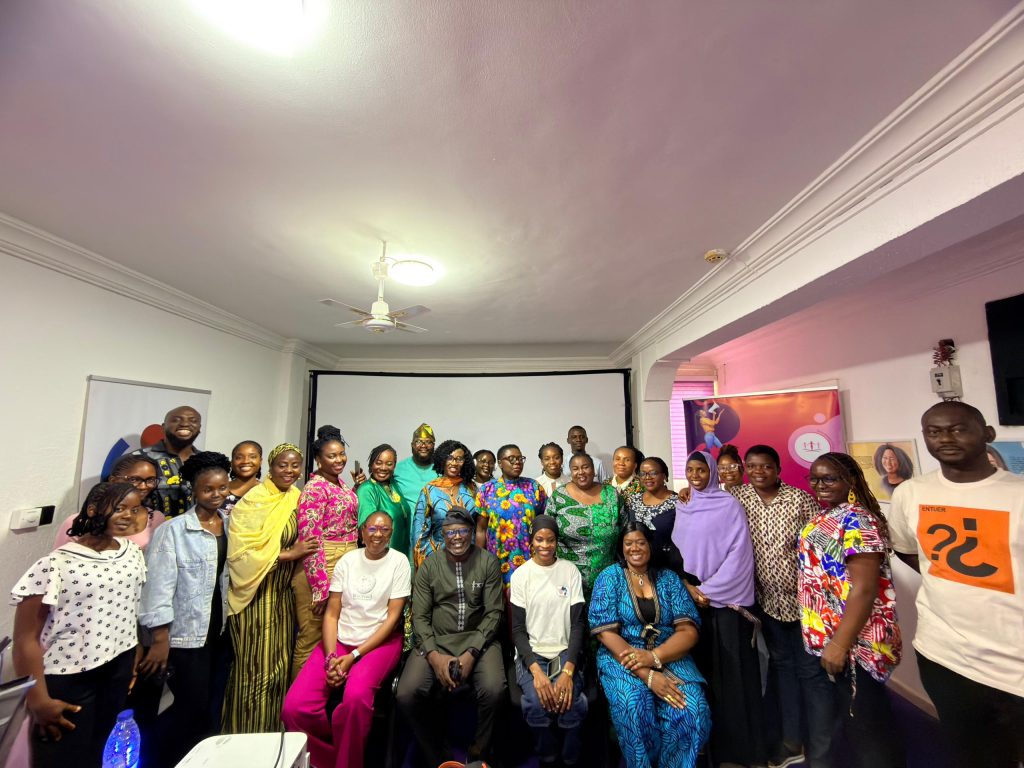
The symposium, convened by Wikimedia User Group Nigeria in partnership with the Embassy of Sweden, NAWOJ, Girls Voices Initiative, and Women Radio, brought together voices united by a shared goal: making women more visible on one of the world’s largest knowledge platforms.
The venue was the serene Sweden embassy located at T.Y. Danjuma Street Asokoro. All staff at the Embassy were friendly. The Ambassador Anna Westerholm welcomed guests and assured that the Embassy was committed to the project.
For Kwaya-Bura, the stakes are clear. Wikipedia, widely regarded as the first point of reference in the digital age, still reflects significant gaps in the representation of women’s achievements and experiences.
“This is an opportunity for us to step in and change the story,” she said, her tone both reflective and resolute.
As storytellers, she noted, journalists hold a unique responsibility—not just to report events, but to shape public memory. NAWOJ, she explained, is poised to mobilise its members nationwide to amplify voices that have long been underrepresented.
Beyond advocacy, the association is thinking structurally. Plans are underway to formalise its collaboration with Wikipedia through a Memorandum of Understanding (MoU), a move aimed at expanding the initiative beyond isolated engagements into a coordinated national effort.
Yet, even within its ranks, gaps persist. Kwaya-Bura pointed out, with concern, that NAWOJ itself is not adequately represented on Wikipedia—an omission she described as both ironic and urgent.
“That alone tells us how much work needs to be done,” she said.
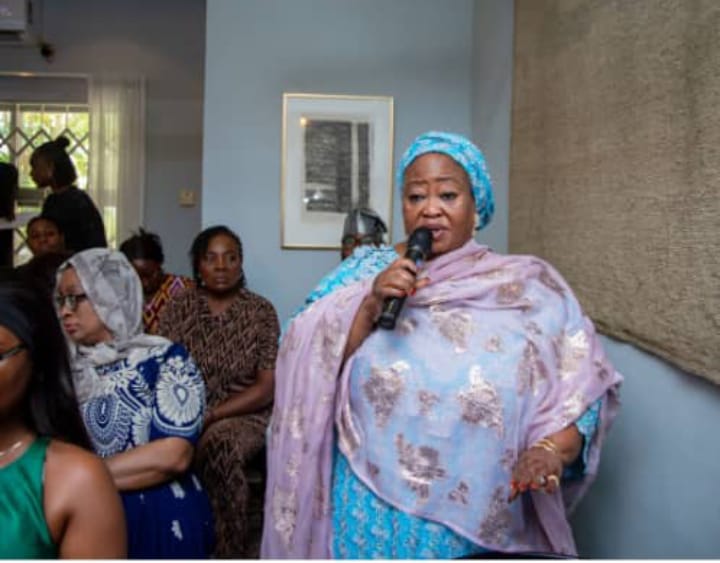
Her message to women journalists was direct: inclusion must be intentional. It is not enough to observe the gap; it must be actively challenged through reporting, documentation, and sustained engagement.
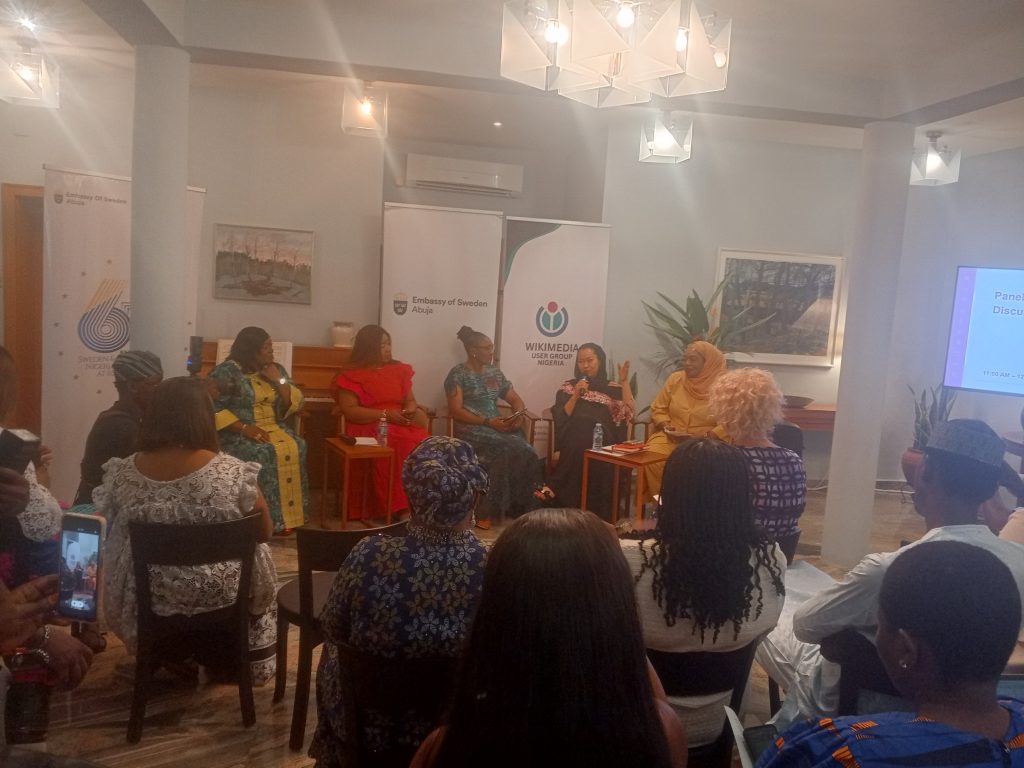
Around the room, that sentiment echoed. Participants at the symposium spoke of collaboration not as a buzzword, but as a necessity. From media professionals to development partners, there was a shared recognition that closing the gender gap would require more than isolated efforts—it would demand coordinated action, institutional backing, and long-term commitment.
Other dignitaries who graced the occasion and served as panelists included Senator Natasha Akpoti-Uduaghan and the Director of ERC, FCDA, alongside other stakeholders who lent their voices to the conversation.
Discussions highlighted practical pathways forward: equipping women with digital skills, creating platforms for content development, and scaling initiatives from state-level interventions to a cohesive national framework.
There was also a strong emphasis on the power of journalism—not just as a tool for reporting, but as a driver of visibility and influence. Intentional storytelling, participants argued, can shift narratives, shape public discourse, and draw policy attention to persistent inequalities in knowledge systems.
By the close of the symposium, one thing was evident: this was more than a one-day event. It was a starting point.
A catalyst. A call to action. Commitments made.
And, perhaps most importantly, a reminder that in the digital age, visibility is power—and ensuring that women’s stories are told, documented, and accessible is a responsibility that can no longer be deferred.
Weekenders magazine committed to focus on more reportage for women. As well as articles on Wikipedia. We are full of gratitude to NAWOJ and. Wikimedia for this life changing training.