
By Amadi Ekwutosilam Njoku
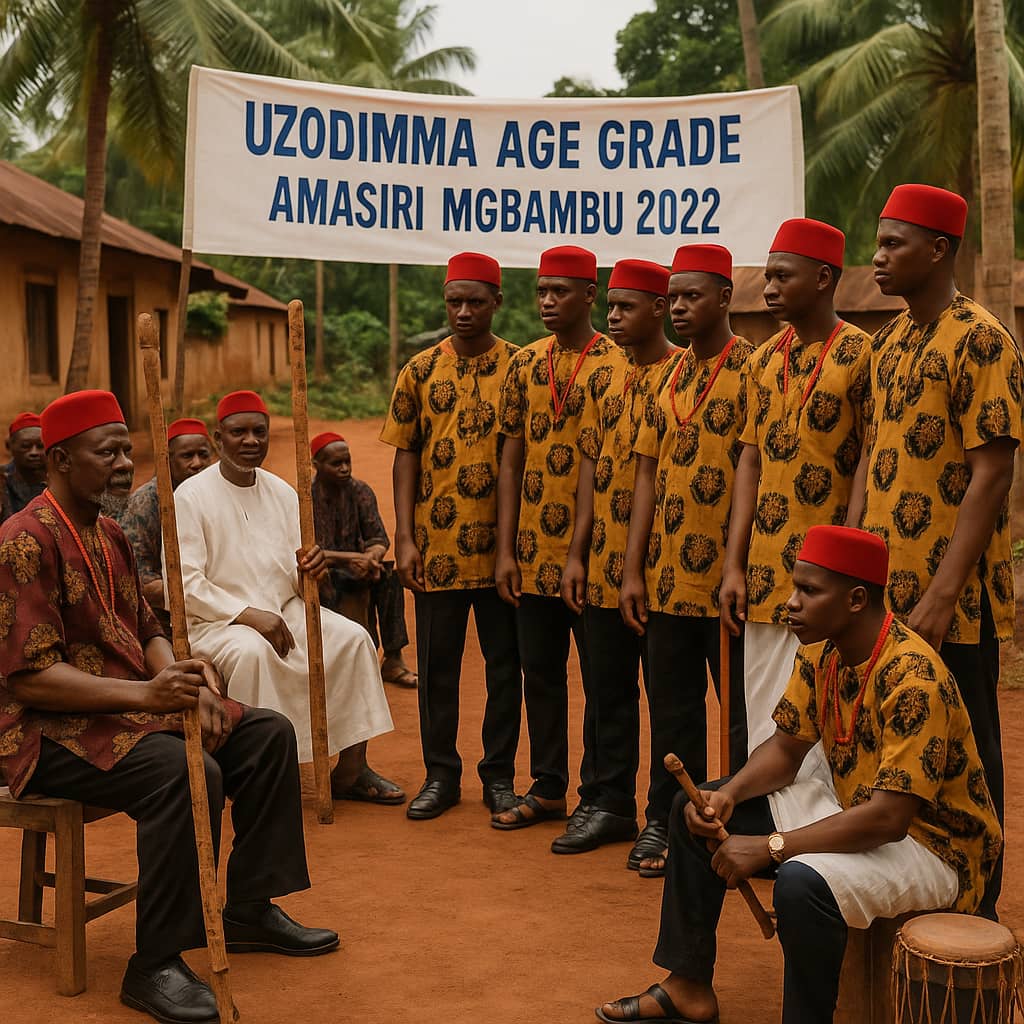
Nothing defines the identity of the Amasiri people more profoundly than the age-grade system. According to Oko (1993), the most fascinating and well-structured administrative institution in Amasiri is the age-grade, or Mgbambu, system. While colonial archaeology and writing have attempted to document our history, Oko insists that the soul of Amasiri’s legacy lives in oral tradition—handed down from the lips of elders to the ears of the next generation.
He further notes that where one technology is absent, nature provides an alternative. Just as a blind man sharpens his hearing, so too does the Amasiri man measure time through his yam farms and shifting cultivation—knowing, for example, the birth year of a child by the land he tilled that season. This reveals the keen memory and intelligence embedded in our people.
One cultural spectacle that reinforces this memory is wrestling. In years past, wrestling contests among villages would help boys identify their age mates within a two-to seven-year range. Young challengers, or nchifu-ogbo, filled the arena, testing their strength. In a flash, a champion would emerge, celebrated and lifted high by his peers. This tradition flowed from the youngest to the eldest, each age grade taking its turn with pride and vigor.
Although modernization and Christianity have diminished this public entertainment aspect, the age-grade system remains a central pillar of development in Amasiri. Age grades are naturally formed by boys and girls born within three years, often in their early teens, when their energy is highest and their readiness to serve the community begins.
Once established, an age grade operates independently and spreads across all villages in Amasiri. They take on communal projects, regardless of size or scope. Each age grade must complete and present its chosen developmental project before its members turn forty—an achievement known as Mgba-Bu-Mgba, the apex celebration of maturity.
The handover of such projects is marked by colorful ceremonies, celebrating not only the milestone of age but also the successful completion of a physically and financially demanding venture. Age grades usually take names that reflect their strength, purpose, or aspirations.
Bibliography:
The Echoes of Amasiri~Chief Anthony Idam Oko