
By Ibim Kenetebari
As the curtain slowly falls on the emergency governance period in Rivers State, the spotlight is understandably turning to the man who led that charge, Sole Administrator Ibok Ette Ibas. But even more urgent than reflections on his personality is the critical task of identifying and preserving the systems and standards his administration quietly introduced.
For all the justified praise his leadership has attracted, the true legacy of this brief but impactful era lies not in the applause but in the blueprint it has created for future governance.
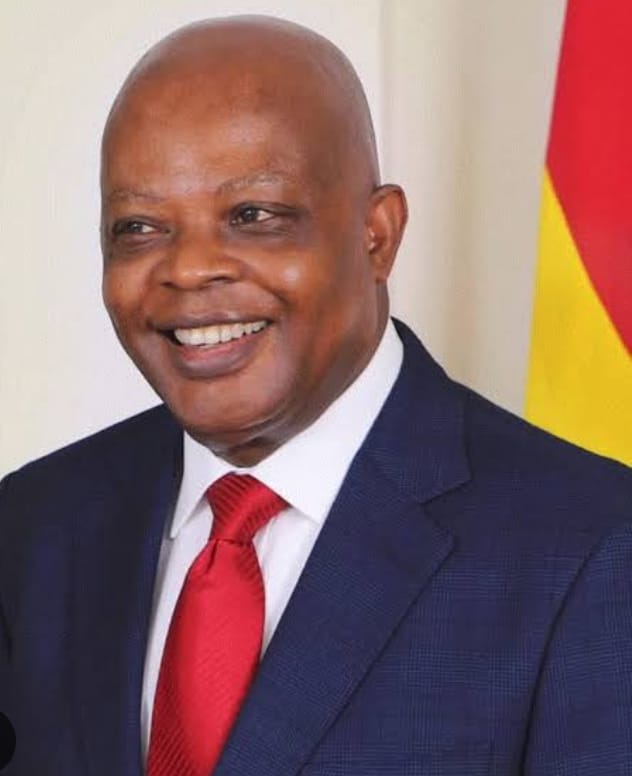
Throughout his tenure, Ibas refrained from public spectacle and the theatrics often associated with power. Instead, he focused on strengthening institutions, delivering services, and reestablishing public trust. These achievements were not just strokes of policy genius but results of carefully structured systems — systems that must be protected, improved, and inherited by subsequent administrations.
One of the most transformative aspects of Ibas’s governance was the digitisation of pension administration. For decades, pensioners in Rivers were trapped in a vicious cycle of bureaucratic fog and emotional distress. Paper files went missing. Names disappeared from lists. Frail senior citizens lined up endlessly with little to show for their efforts. But under this emergency government, the introduction of a digital pension verification and payment system swept aside those dark days.
With over 2.8 billion naira disbursed transparently to verified retirees, this system did not just make headlines. It restored dignity. Pensioners were paid directly into their accounts without stepping outside their homes. There were no middlemen, no bribes, no exploitation. This digital reform must not be a one time fix. It must become a permanent fixture in Rivers State’s governance architecture.
Another defining standard set by the administration was the principle of prompt salary payments and the revival of essential services. In a civil service previously accustomed to delays and unpredictability, Ibas’s approach restored predictability and morale. Salaries were paid as due, without excuses. Public health centres received support. Broken roads saw repairs. Localised service delivery was decentralised and depoliticised. It is vital that this becomes a governance standard, not an exception during a time of crisis.
There was also a major shift in public communication. Unlike previous administrations where government policy announcements often came as surprises to the people, Ibas understood the value of continuous dialogue. The launch of strategic communication initiatives, including the Rivers First radio talk show, town hall engagements across the three senatorial districts, and a series of opinion articles in national and local media, signaled a new philosophy that governance must be both seen and heard.
Citizens were no longer passive recipients of government decisions. They became participants in shaping policy narratives. The feedback gathered from town halls helped refine priorities, while radio discussions deepened public understanding of governance processes. This open channel of communication must be institutionalised. The next government should not slip back into the traditional aloofness that alienates citizens from decision making.
Also worth preserving is the behind the scenes administrative culture that Ibas quietly built. His team operated with discipline and a clarity of purpose that is rarely seen. Meetings were purposeful. Assignments had deadlines. Media engagements were strategic, not self serving. Consultations with stakeholders were held not to tick a box, but to genuinely incorporate diverse voices. In short, there was a tone of governance that was efficient, responsive, and humble.
But systems alone do not guarantee sustainability. There must also be the political will to allow those systems to operate. The greatest threat to legacy in Nigeria’s political landscape is not poor ideas but poor succession planning. When leaders change, policies are often abandoned, personnel reshuffled arbitrarily, and institutions destabilised. That cycle must not repeat itself in Rivers.
The end of emergency governance must not trigger the dismantling of everything Ibas introduced. It should instead mark the beginning of a new commitment to service, to citizens, and to continuity. This means that incoming leadership must resist the temptation to play to partisan applause by undoing the systems already delivering results. It also means that civil society must stay vigilant, acting as custodians of progress and defenders of institutional memory.
It is important to say that not everything was perfect under the emergency administration. No government, however well intentioned, can meet every need. There were gaps. Some communities expected more. Some projects were slowed by administrative bottlenecks. But those imperfections should not overshadow the overall direction of travel, which was toward clarity, structure, and empathy.
Rivers now faces a historic moment. The opportunity is not just to resume democratic governance, but to do so with higher expectations and firmer foundations. If the Ibas era has taught us anything, it is that good governance is not a mystery. It is not the exclusive domain of elite politicians. It is a discipline, a mindset, and most importantly, a set of systems.
We must protect those systems. Let pension reform become law. Let digitisation spread to other sectors such as education, health, and procurement. Let community engagement become a constitutional requirement. Let media access to government not depend on who is in office but on what the people deserve to know.
This quiet blueprint is now in our hands. It may not have come with a loud drumbeat or ribbon cuttings, but its strength lies in its simplicity. It works. It serves. It uplifts.
As Ibok Ette Ibas prepares to leave, he does not do so with the vanity of legacy chasers. He has no plaques to unveil. But his greatest achievement is the invisible architecture he built, the systems, the standards, and the sense of duty that must now become the Rivers State standard.
Let us not fail him. More importantly, let us not fail ourselves.
Ibim Kenetebari writes from Bonny Island