
By Isaac Aqua, Guest Writer
Deeply perturbed by the alarming rise in gender-based violence (GBV) and teenage pregnancies across rural communities in Cross River State, traditional rulers have issued a passionate call for urgent, coordinated action.
They are urging government agencies, civil society organisations, and law enforcement to partner with cultural institutions to curb the worsening social crisis.
Traditional Rulers Urged to Lead Local Change
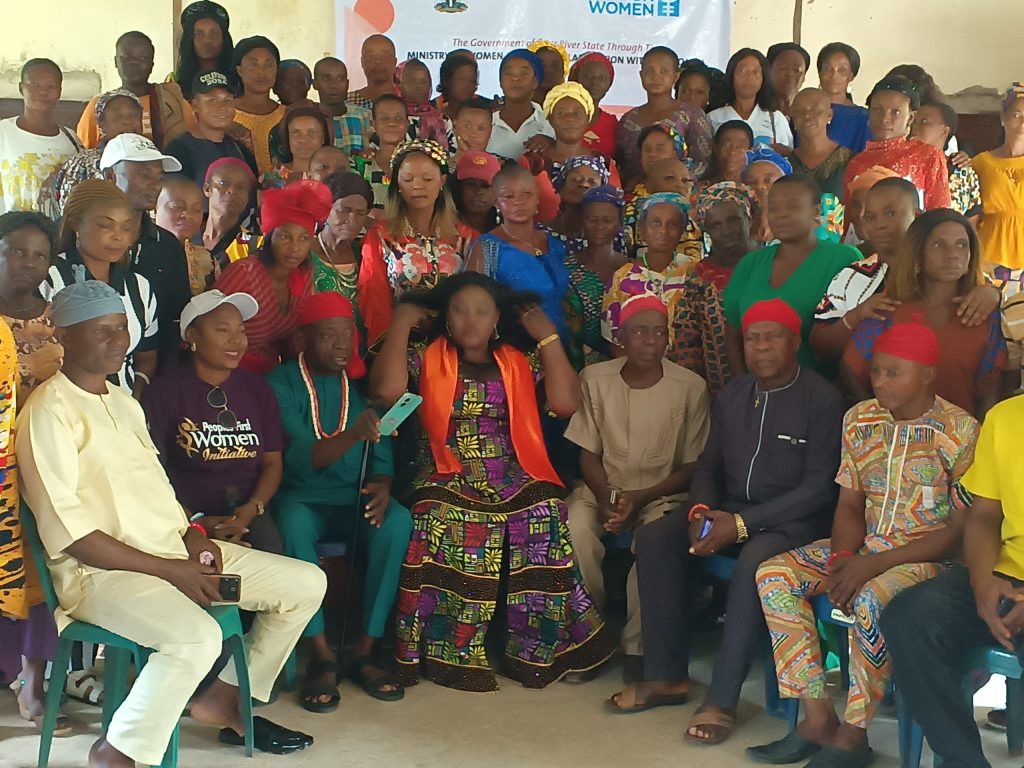
Speaking during a series of stakeholder engagement forums facilitated by the Cross River State Ministry of Women Affairs in collaboration with UN Women and support from the Ford Foundation, royal fathers emphasised the need for a proactive cultural reawakening.
Ambassador Effefiong Eyo, Secretary of the Creek Town Traditional Rulers Council and a retired Deputy Superintendent of Police, stressed that traditional institutions must evolve into frontline defenders of the vulnerable.
“Traditional leaders must no longer be silent witnesses. They must become defenders of the vulnerable, especially as cultism, sexual violence, and teenage pregnancies spiral in our communities,” Eyo warned.
He decried the collapse of security in Creek Town, which he attributed to the absence of law enforcement presence. He called on the state government to liaise with the Nigeria Police to refurbish the local Divisional Police Station and address severe manpower shortages, describing these steps as critical to law enforcement and community safety.
Chiefs Ready to Abandon Harmful Traditions
HRH Chief Ignatius Olam, Chairman of the Ukelle Traditional Rulers Council, aligned with this reformist stance, pledging support for the abolition of harmful cultural norms that violate human dignity—particularly those affecting women and girls.
“We are open to discarding any tradition that is inhumane or harmful,” he said. “But there must be a structured system—from proper reporting channels to effective referrals and timely prosecutions—to ensure justice is not only pursued but served.”
He also advocated for aggressive public enlightenment campaigns and stronger collaboration between traditional leaders and police authorities to enable accountability and trust at the grassroots level.
Bridging the Rural Awareness Gap
In Boki Local Government Area, HRH Leonard Akam, Clan Head of Boje, stressed that a major obstacle to progress is lack of awareness among rural dwellers, many of whom are unfamiliar with gender-protection laws such as the Violence Against Persons Prohibition (VAPP) Act, the Child Rights Law, and the Widowhood Inheritance Law.
“Many people have never heard of these laws, let alone understand how they protect them,” Akam noted. “Sensitisation in vernacular is vital, and police must be trained on these laws to ensure they are enforced effectively.”
Government Affirms Support for Community-Led Initiatives
Representing the State Commissioner for Women Affairs, Hon. Edema Irom, the Permanent Secretary, Dr. Mrs. Rita Eteng, affirmed that the engagement of traditional institutions was a deliberate government strategy to drive grassroots participation in the fight against GBV.
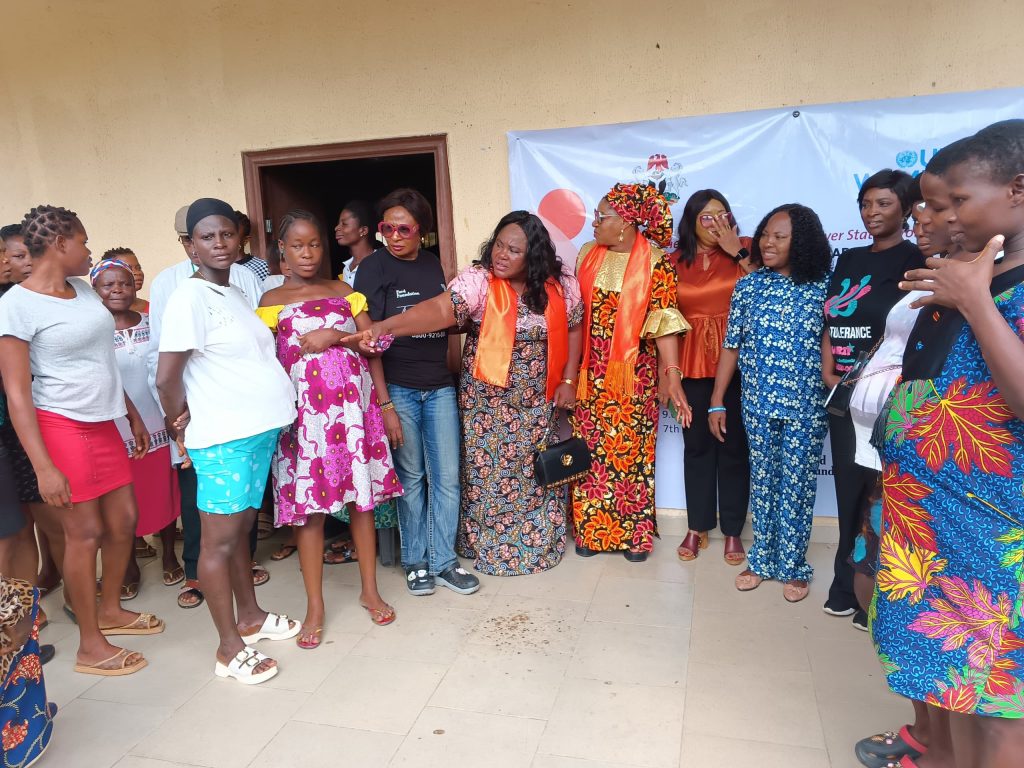
She disclosed that the forum featured detailed legal briefings, interactive discussions, and question-and-answer sessions, all aimed at creating a sustainable and inclusive response mechanism to GBV and other forms of social abuse.
“This initiative is part of a wider strategy to foster community-led solutions, reshape harmful narratives, and build safer environments for our women and children,” she said.