
By Joy Omagha Idam, Abuja
Women play a critical yet often underappreciated role in agriculture, particularly in developing countries like Nigeria where they form a significant portion of the rural workforce. From planting and harvesting to processing and marketing, women are deeply involved in every stage of the agricultural value chain.
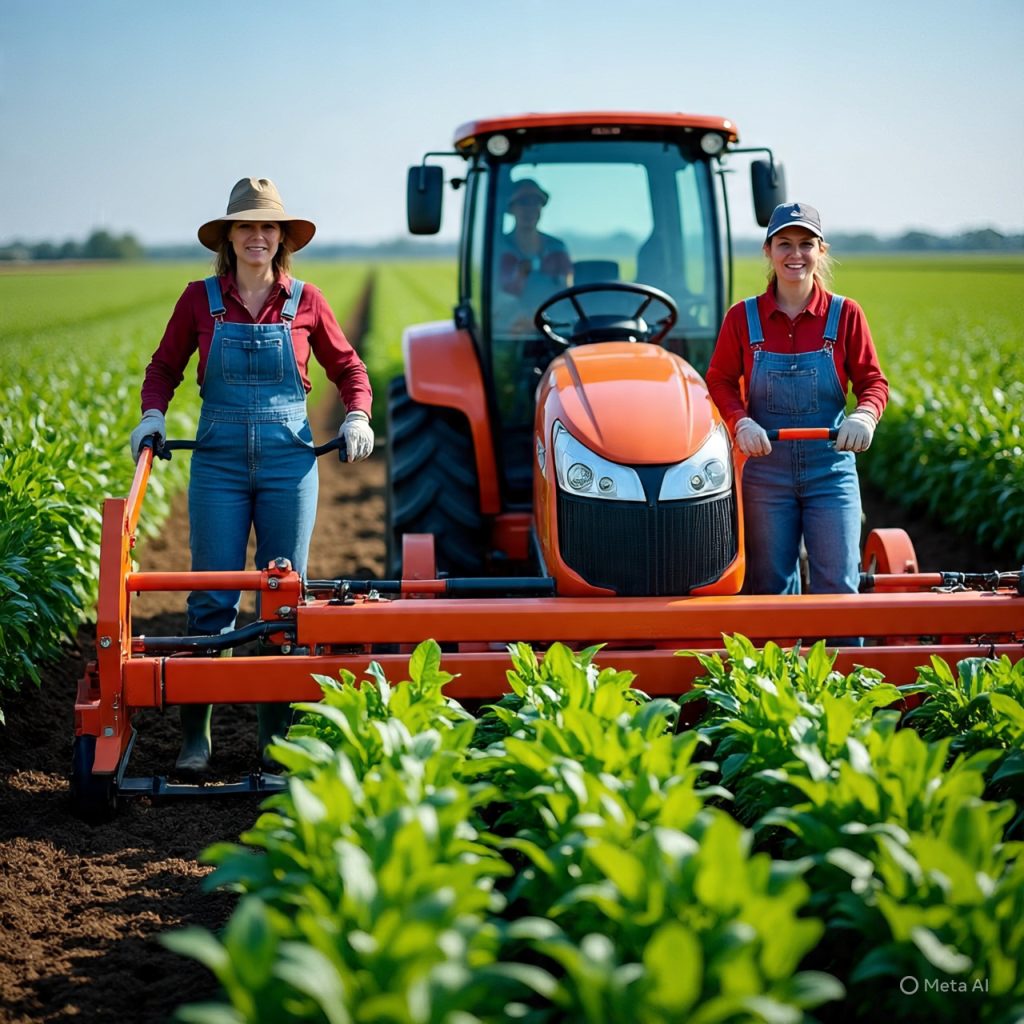
Despite their immense contributions, they continue to face systemic barriers that limit their productivity and economic potential. Supporting and financing women in farming is not just a matter of equity—it is a strategic investment in food security, economic growth, and sustainable development.
One of the major challenges confronting women farmers is limited access to finance. Many lack collateral, formal land ownership, or credit history, which are often prerequisites for securing loans from financial institutions. As a result, they are unable to invest in improved seeds, fertilizers, modern equipment, and irrigation systems that could significantly boost their yields.
Providing tailored financial services—such as low-interest loans, grants, and cooperative funding—can empower women to scale their farming activities and increase productivity.
Land ownership is another critical issue. In many communities, cultural and traditional norms restrict women’s rights to own or inherit land. This not only limits their ability to expand farming operations but also reduces their chances of accessing credit, as land is a key asset for securing loans.
Addressing these structural inequalities through policy reforms and community advocacy is essential to unlocking the full potential of women in agriculture.
Furthermore, women farmers often have limited access to training, extension services, and modern agricultural technologies. Bridging this knowledge gap through targeted education, capacity-building programs, and digital tools can enhance their skills, improve efficiency, and promote climate-smart farming practices.
When women are equipped with the right knowledge and resources, they become more resilient and innovative in the face of challenges such as climate change and market fluctuations.
Investing in women farmers also has a multiplier effect on families and communities. Studies have shown that women are more likely to reinvest their earnings into their households—improving nutrition, education, and healthcare for their children. This creates a ripple effect that contributes to poverty reduction and community development.
In addition, supporting women in agriculture aligns with global development goals, including gender equality and zero hunger. Governments, private sector players, and development partners must therefore prioritize policies and programs that promote inclusive financing, equal access to resources, and the empowerment of women in rural areas.
In conclusion, women in farming are not just participants—they are key drivers of agricultural growth and food security. By removing barriers and providing adequate support and financing, we can unlock their full potential and build a more inclusive and resilient agricultural sector. The time to act is now.