
By Sharon Akuboh
Children in Amasiri community are facing a heartbreaking setback as many are reportedly unable to sit for the Common Entrance Examination, held today February 27, 2026, following the prolonged closure of schools in the area, on the orders of Gov Francis Nwifuru, of Ebonyi State.
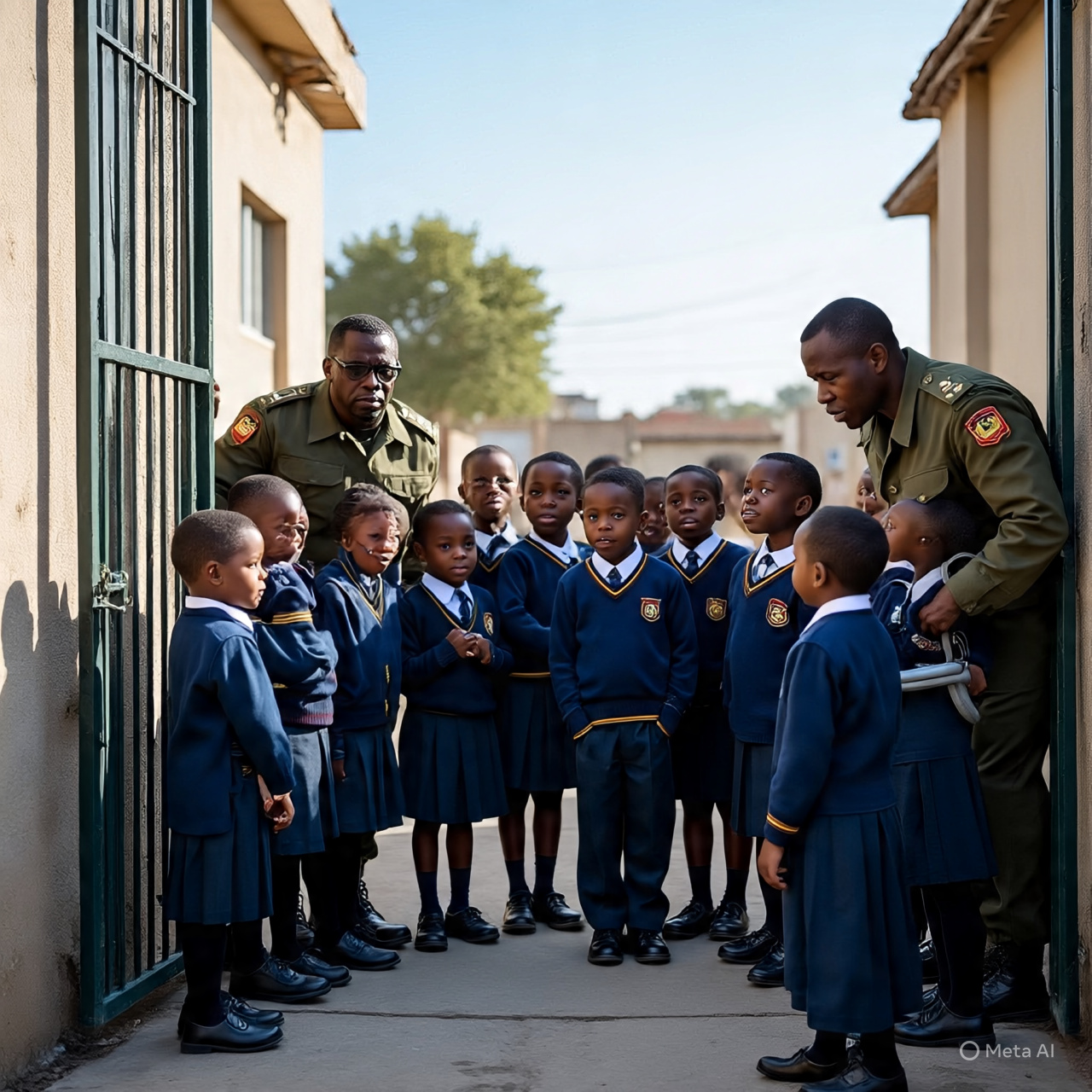
The development, linked to ongoing alleged security concerns and restrictions imposed in the community, has left pupils, parents, and teachers in distress. For many families, the Common Entrance Examination represents more than just a test — it is a critical stepping stone to secondary education and a symbol of hope for a better future.
Parents say months of interrupted learning have already taken a toll on their children’s academic preparation. Now, the inability to participate in the examination has deepened fears that an entire cohort of pupils may lose a full academic year.
“I have watched my child study at home every day, hoping the schools would reopen,” one parent lamented, who pleaded anonymity. “Now the exam is here, and they cannot even write it. What happens to their future?”
Education advocates argue that while security considerations are important, prolonged school closures carry long-term social consequences, particularly for vulnerable children who may not have access to alternative learning platforms.
What the Law Says
Nigeria’s Child Rights framework is explicit on the issue of education. The Child Rights Act guarantees every child the right to free, compulsory, and universal basic education.
Section 15 of the Act provides that every child has the right to education and places a duty on government authorities to ensure access to basic education and equal opportunity. It further states that parents and guardians must ensure their children attend and complete basic schooling.
The law reflects Nigeria’s obligations under international conventions, including the United Nations Convention on the Rights of the Child, which affirms education as a fundamental human right.
Legal experts note that while governments may impose temporary restrictions during emergencies, such measures must remain proportionate and must not permanently deny children access to basic education.
Calls for Urgent Intervention
Community stakeholders are now appealing to Ebonyi State Governor, Francis Ogbonna Nwifuru, to urgently review the situation and provide a pathway that allows pupils to safely sit for their examinations.
Some have suggested special arrangements, including supervised examination centres in secure locations or temporary lifting of restrictions strictly for examination purposes.
For the children of Amasiri, however, the issue goes beyond policy debates. It is about dreams deferred — the dream of moving to secondary school, of becoming doctors, lawyers, teachers, and leaders.
As the examination window closes, the silence of empty classrooms tells a painful story: when schools shut down, it is not just buildings that are locked — it is opportunity.
This was contained in a statement signed by Princess Joy Omagha Idam, for Amasiri Concerned Forum.